

You have a group chat with 12 people. You see your friends regularly. Your calendar has plans for this weekend. So why do you still feel completely alone?
This isn’t rare. According to The American Friendship Project, while more than 75% of people are satisfied with the number of friends they have, over 40% feel they aren’t as close to their friends as they’d like to be. You’re not lacking friends. You’re lacking connection — and there’s a crucial difference.
75% Have Enough Friends, 40% Feel Disconnected
Research from PMC studies on loneliness reveals that loneliness is defined as perceived social isolation, not objective social isolation. You can live a solitary life and not feel lonely. You can also have a packed social calendar and feel profoundly isolated. Loneliness happens when there’s a mismatch between the quantity and quality of relationships you have versus those you want.
That gap between having friends and feeling close to them creates what researchers call emotional loneliness. You’re surrounded by people, but the interactions feel shallow. The conversations stay surface-level. Nobody knows what’s actually happening in your life beyond what they see on Instagram.
The numbers bear this out. A National Academies report found that 33% of Americans over 45 feel lonely, and loneliness is now recognized as carrying health risks comparable to smoking 15 cigarettes daily. But what’s striking is that having an objectively robust social network doesn’t protect against it.
Group Chats Without Real Conversations
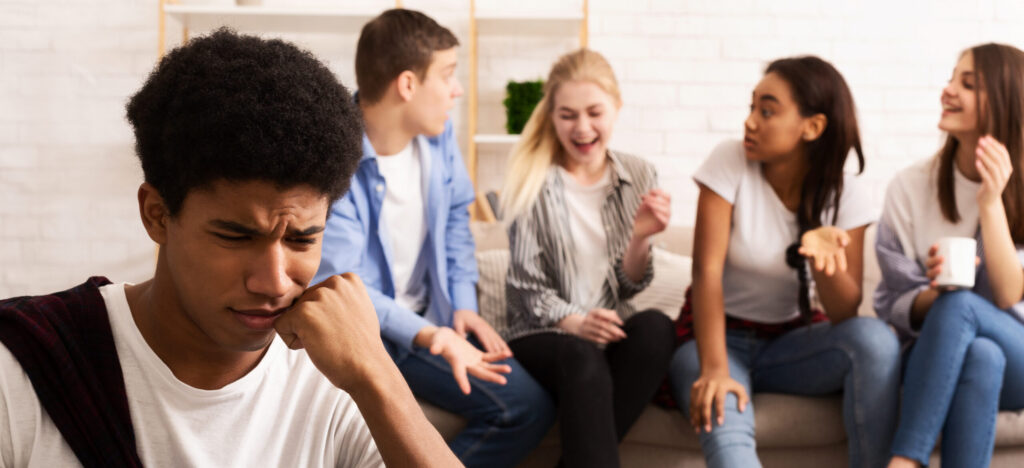
The shift often happens gradually. You maintain the friendship structures but lose the substance. You still have the group chat, but nobody’s sharing anything real anymore. Plans get made, but they’re increasingly about logistics rather than genuine desire to connect.
Fear plays a bigger role than people admit. In today’s climate where every opinion gets scrutinized, many people hesitate to be fully authentic with friends. That apprehension creates barriers to deeper connection. You worry about judgment, about saying the wrong thing, about being “canceled” even within your friend group.
The fast-paced nature of modern life compounds this. Everyone’s busy, which limits opportunities for meaningful face-to-face interaction. Texting and social media feel more convenient than phone calls or in-person meetups. But research from multiple studies shows these digital communications lack the depth that builds real closeness. A “like” on a post isn’t the same as someone actually knowing you’re struggling.
Watching Other People’s Friendships Makes Yours Feel Worse
Here’s where it gets worse: Social media makes you think everyone else has figured out friendships. You see photos of friend groups traveling together, having dinner parties, celebrating birthdays with elaborate surprises. Your own friendships suddenly feel inadequate by comparison.
But those curated highlights rarely represent reality. Research on digital loneliness shows that heavy social media users — people spending 5-6 hours daily on platforms — still report significant social isolation. The quality of interaction matters more than quantity. Scrolling through friends’ posts while sitting alone on your couch isn’t connection. It’s observation.
Studies distinguish between active and passive social media use. Passive scrolling correlates with higher rates of negative feelings and increased loneliness. Active engagement — actually commenting, messaging, having conversations — correlates with lower loneliness. But most people default to passive consumption, which makes them feel worse while thinking they’re staying “connected.”
How Loneliness Creates More Loneliness

There’s another layer: loneliness spreads. Research published in behavioral studies found that lonely people are less able to pick up on positive social signals from others. When you’re lonely, you tend to withdraw prematurely, often before you’re actually isolated. You might misread a friend’s distraction as rejection, or assume nobody wants to hear from you.
This creates a negative feedback loop. Lonely people act in less trusting and sometimes more hostile ways, which can push others away and spread loneliness to their connections. Your loneliness affects how you show up in friendships, which then affects how others respond to you.
Regular Plans With Fewer People
The solution isn’t getting more friends. It’s deepening the friendships you have. That requires vulnerability, which feels risky when you’re already feeling disconnected.
Start with establishing regular, low-pressure social routines. A weekly coffee meetup or monthly dinner gives relationships structure without overwhelming either person. Consistency builds closeness over time.
Prioritize face-to-face communication. Phone calls work too if in-person isn’t possible. But texts and social media shouldn’t be your primary mode of friendship maintenance. Real closeness requires real-time interaction where you can see facial expressions, hear tone, respond to each other’s energy.
Be honest about what you need. If you’re feeling disconnected, say so. Many people are experiencing the same thing but nobody brings it up because everyone assumes they’re the only one struggling. Naming the disconnect often reveals your friends feel it too.
Having Friends Isn’t Enough Anymore
The 98% of Americans who have at least one friend still experience rising loneliness because having friends doesn’t automatically mean having close friends. The relationships exist, but the depth doesn’t.
Fixing this requires intentionality in an age that encourages surface-level everything. It means resisting the urge to text instead of call, to scroll instead of show up, to maintain friendships through likes rather than conversations. It means being willing to look weird for caring about friendship enough to actually work on it.
The loneliness you feel surrounded by friends isn’t a personal failure. It’s a systemic shift in how we relate to each other. But recognizing the gap between having friends and feeling connected is the first step toward actually closing it.