
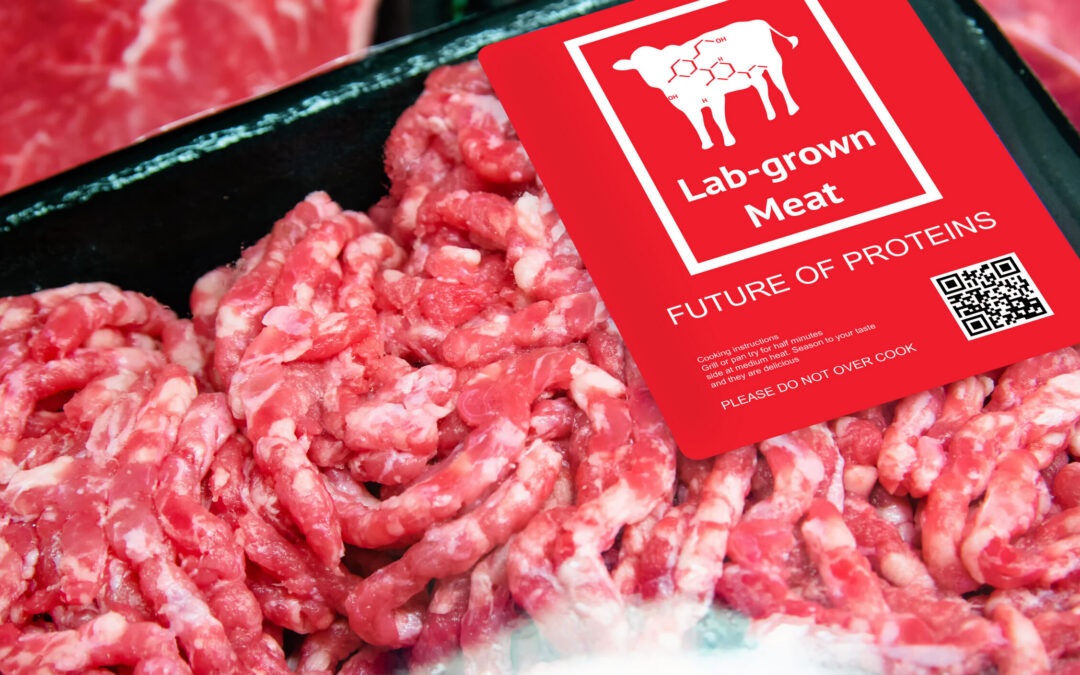
In 2013, scientists unveiled the first lab-grown burger at a cost of $330,000. By 2023, the FDA approved cultivated chicken for sale. The price had dropped to around $10-$30 per pound, and over $3 billion in investor money had poured into more than 175 companies developing meat grown from animal cells instead of slaughtered animals.
The promise is straightforward: real meat, no slaughter required. You could eat beef without killing cattle, chicken without industrial farming, steak without ethical compromise. The technology works. Federal regulators approved it as safe. And nearly a third of US states have banned it or are trying to. Not because it’s dangerous — because it threatens something deeper than food safety.
How You Grow a Steak in a Lab
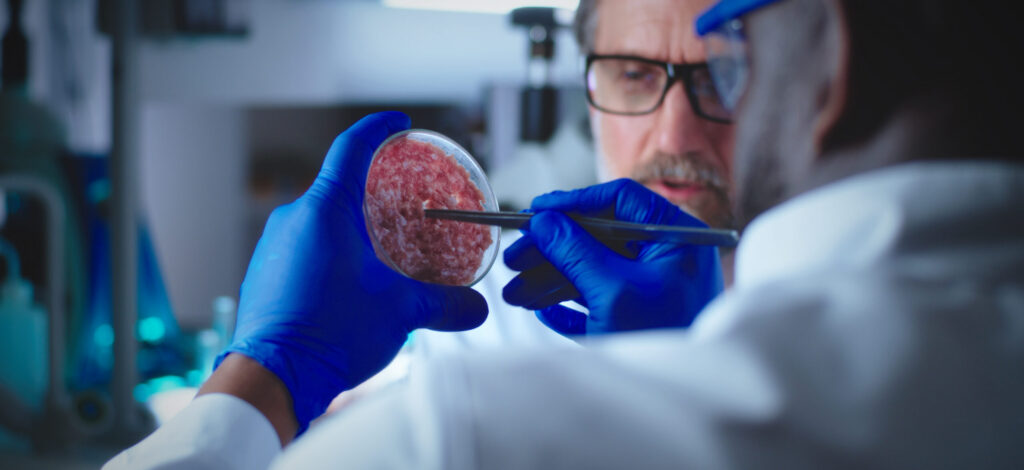
Start with a small sample of animal cells — a biopsy, not a slaughter. Place them in a bioreactor with nutrients. The cells multiply, forming muscle tissue identical to conventional meat at the cellular level. Nutritionally comparable, same protein content, but grown without raising and killing an animal.
The process uses 64-90% less land than conventional meat production and drastically reduces greenhouse gas emissions. No factory farms, no slaughterhouses, no ethical compromise for people who love meat but hate industrial animal agriculture. For vegetarians who gave up meat for ethical reasons, it offers something impossible before: guilt-free steak.
The global market is projected to reach $229 billion by 2050. AI integration has already reduced production costs by up to 40%. New bioreactor designs increased output by over 400%. Seven companies have products approved by federal regulators. The technology isn’t theoretical anymore — it’s functional, approved, and improving rapidly.
The Problem Nobody Expected: People Don’t Want It
Here’s where the dream hits reality. Consumer surveys show people perceive conventional meat as tastier and healthier than lab-grown alternatives. Fewer consumers are willing to try cultivated options than expected. The words “lab-grown” and “cultivated” don’t exactly make mouths water.
Something about meat grown in a bioreactor triggers deep discomfort for many people, even those who claim to care about animal welfare and environmental impact. It’s the same psychological barrier that made “Frankenfood” stick as a label for GMOs. Meat is supposed to come from animals, raised on farms, connected to land and tradition. Growing it in a facility feels wrong to people in ways they struggle to articulate.
At $10-$30 per pound, cultivated meat still costs more than conventional options despite the massive reduction from the $330,000 burger. Companies need economies of scale to compete on price. Scaling requires market access and consumer acceptance. But before they can build that acceptance, states are shutting down the possibility entirely.
Why Cattle States Are Protecting Cattle
Florida and Alabama banned lab-grown meat entirely in 2024. Mississippi followed in 2025, making it a misdemeanor punishable by up to three months in jail. Nebraska, South Dakota, and Oklahoma are racing to do the same. Nebraska generates $31.6 billion from cattle and livestock. Mississippi, Alabama, South Dakota — all built significant portions of their economies on traditional meat production.
This isn’t irrational protectionism. It’s states watching a technology that could eventually devastate their primary industry and deciding to kill it before it gets big enough to matter. Ranching isn’t just an economic sector in these states — it’s cultural identity. Multigenerational family businesses, entire towns built around livestock, state fairs celebrating cattle. Lab-grown meat doesn’t just threaten income; it threatens a way of life.
Mississippi’s ban, which took effect July 1, 2025, carries fines up to $500 and potential jail time. Nebraska’s proposed legislation would prohibit production, import, distribution, promotion, and even display of cultivated protein. South Dakota took a different approach — no criminalization, but House Bill 1118 prohibits using any state funds for research, production, promotion, sale, or distribution. The message: we won’t jail you, but we won’t let this technology gain a foothold here.
Other states demand labeling so aggressive it functions as a warning. South Carolina’s proposed requirement: “This product contains protein that was developed in a lab and grown from a biopsy of animal cells.” Technically accurate, maximally off-putting.
What Ethical Meat Can’t Overcome
As of early 2026, you can only buy cultivated meat in three places globally: Singapore, parts of the United States, and Australia. Mission Barns sold cultivated pork meatballs at a California grocery store for $13.99 — the first retail sale anywhere. A handful of US restaurants serve Wildtype’s cultivated salmon. That’s it.
The US market, which should be driving growth given American investment and FDA approval, is fragmenting. A third of states have banned cultivated meat or are considering it. Companies can’t build national distribution when entire regions have criminalized their products. The circular problem is brutal: costs won’t drop without scale, scale requires market access, and market access keeps disappearing through legislation before consumer acceptance can develop.
Lab-grown meat promised to solve one of the defining ethical dilemmas of modern life: how to eat meat without industrial animal agriculture. The technology delivered. What it couldn’t overcome is deeper — the cultural attachment to traditional farming, the economic reality of states built on livestock, and the visceral human discomfort with food that doesn’t come from where food is “supposed” to come from.
Billions in investment, working technology, regulatory approval, environmental benefits, ethical appeal — none of it matters if people don’t want to eat it and states won’t let them try. The future of food might be growing in bioreactors, but it’s dying in legislatures before most people know it exists., regulatory approval — and you can still go to jail in Mississippi for selling a chicken nugget grown in a bioreactor instead of cut from a slaughtered bird.