
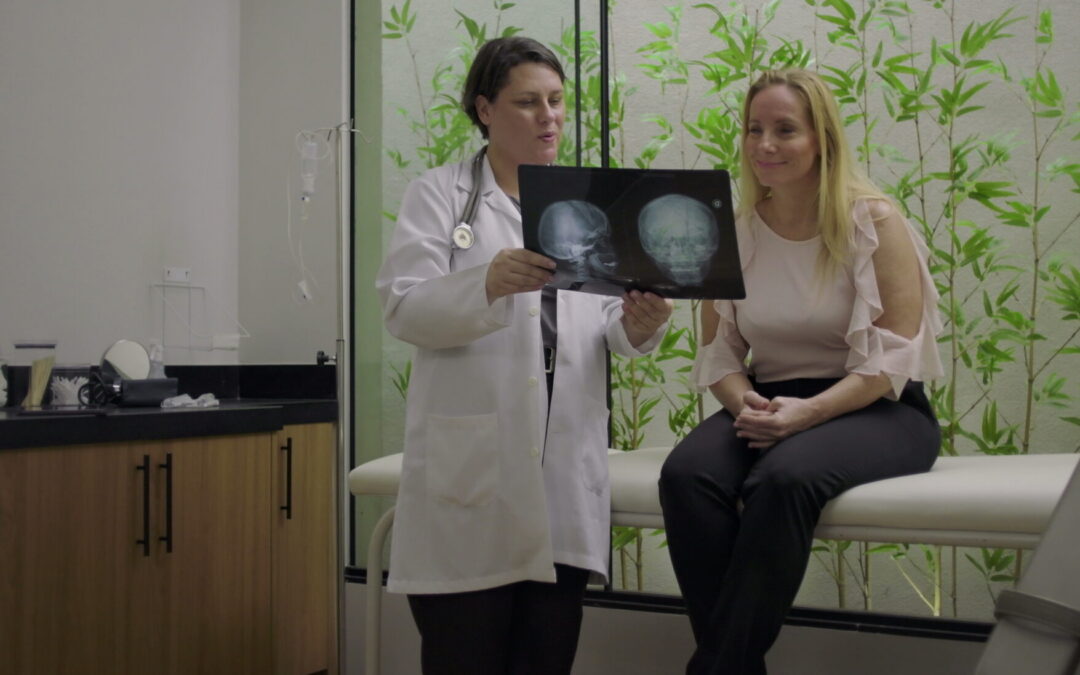
Stroke has long had a demographic profile in our heads: older, retired, someone else. New research presented this month at the International Stroke Conference is cracking that image. Stroke incidence among adults aged 20 to 54 nearly doubled over the past three decades. In adults over 75, rates fell.
The groups trading places are not who anyone expected.
Adults Under 55: The Fastest-Growing Stroke Demographic
The data comes from nearly 30 years of population surveillance in the Cincinnati–northern Kentucky region, one of the most rigorous long-term stroke tracking efforts in the US. Dr. Emily Fisher of the University of Cincinnati found ischemic stroke incidence nearly doubled in adults aged 20 to 54 between 1993 and 2020. Older populations, meanwhile, benefited from decades of improved blood pressure management and cardiac care.
The CDC’s broader surveillance tells the same story. Between 2011–2013 and 2020–2022, overall stroke prevalence rose 8% — but among adults aged 45 to 64, it climbed 15.7%. The population that assumed it had more time is now the population driving the increase.
Hypertension at 38, Diabetes at 42, Stroke at 47
The drivers are not mysterious. They’re the slow accumulation of conditions that used to arrive later in life but are increasingly showing up earlier — and showing up together. Nearly one in four adults between 18 and 39 has hypertension. Around half of young adults who experience a stroke have high blood pressure at the time. Obesity, type 2 diabetes, high cholesterol, and atrial fibrillation are all appearing at younger ages than previous generations.
Substance use is adding a layer most prevention conversations skip entirely. Increases in intravenous drug use are linked to heart valve infections that can directly trigger strokes. Stimulant use carries its own vascular risks. Researchers also point to rising psychological stress, reduced physical activity, and what the research describes as “academic and work pressures” as contributing factors — though their precise mechanisms remain under study.
The deeper structural problem: current stroke risk models still lean heavily on age. Younger patients are routinely undertreated or never flagged for prevention conversations because the standard prediction tools weren’t built with them in mind.
When Symptoms Get Called a Migraine
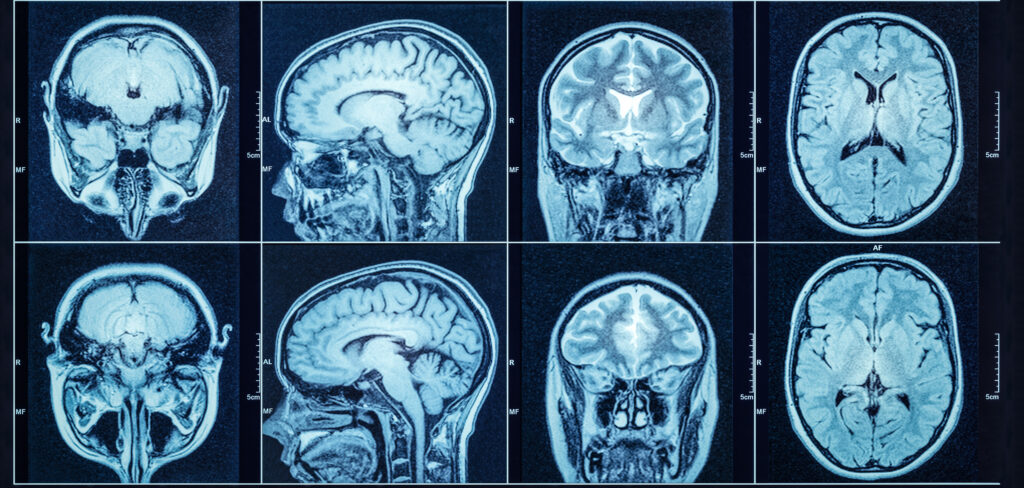
Strokes in younger adults often present differently than the version most people have memorized. The FAST framework — Face drooping, Arm weakness, Speech difficulty, Time to call 911 — still applies. But younger patients are more likely to experience posterior circulation strokes, which can produce sudden severe headache, dizziness, vision disturbance, or coordination loss. These get attributed to migraines, pinched nerves, or inner ear problems.
That diagnostic delay is not a minor inconvenience. For every minute a stroke goes untreated, approximately 2 billion neurons die. Younger patients who receive prompt care generally have better outcomes than older ones — baseline physical health works in their favor — but survival and meaningful recovery are not the same threshold.
Decades of Disability Starting at Peak Career Age

This is where the math becomes particularly stark for people in their 40s and 50s. A stroke at 45 doesn’t end at the hospital. Younger survivors often face decades of neurological deficits, cognitive changes, depression, and career disruption. The indirect economic costs — lost income, reduced productivity, caregiver burden — are estimated at more than six times higher for adults under 65 compared to older survivors, driven entirely by how many working years remain.
Earlier Prevention, Earlier Conversation
The American Heart Association’s Life’s Essential 8 — managing blood pressure, cholesterol, blood sugar, weight, sleep, activity, diet, and tobacco — remains the most evidence-backed prevention framework at any age. The research isn’t suggesting panic. It’s suggesting the prevention conversation, which most people file under “things to think about at 65,” belongs in your 40s at the latest.
Stroke didn’t stop being a disease of old age. It just stopped waiting.