
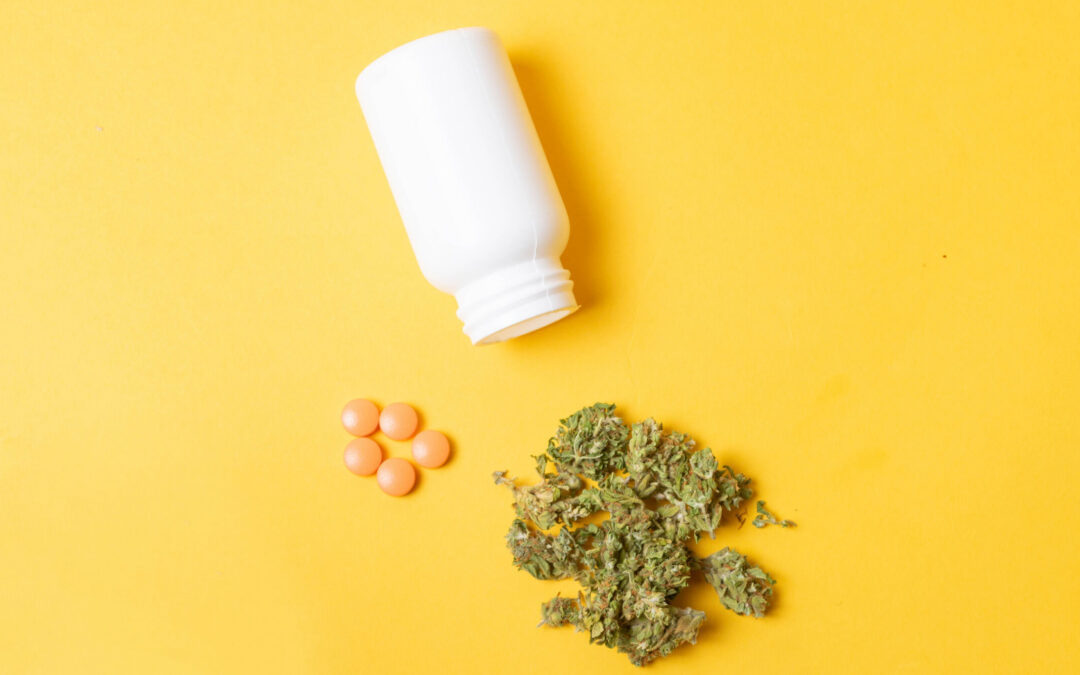
Somewhere between the Adderall shortage, the telehealth ADHD diagnosis boom, and the widespread normalization of cannabis, a quiet experiment has been playing out in millions of households. Adults with ADHD — officially diagnosed and often already on stimulant medication — are turning to cannabis to manage their symptoms. Not instead of their prescription, necessarily. Alongside it.
A new study published in the Journal of Attention Disorders surveyed 900 adults with documented ADHD diagnoses and found that 75% had used cannabis at some point in their lives, with 41% reporting use in the past 30 days. Researchers at Thomas Jefferson University set out to understand what, exactly, these people were getting out of it. The results are genuinely complicated.
The Dopamine Connection Nobody Talks About
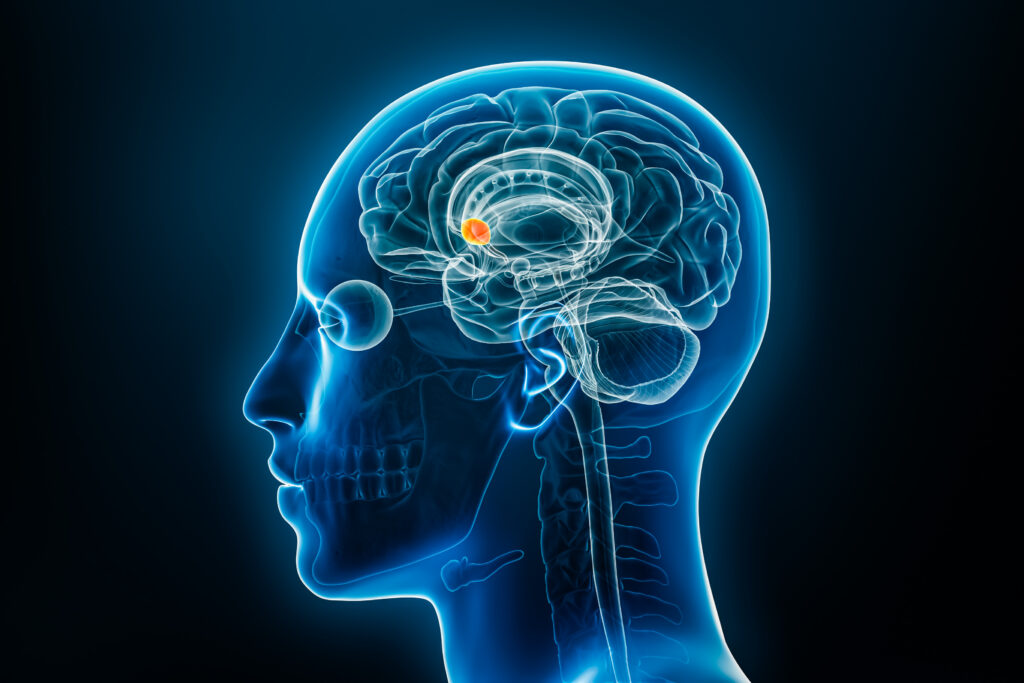
To understand why ADHD brains are drawn to cannabis, it helps to know what’s going wrong in the first place. People with ADHD inherit fewer dopamine transporter proteins in the basal ganglia — the brain region involved in reward and motivation. These transporters are supposed to clear dopamine from the synapse after it fires. Without enough of them, dopamine lingers, dysregulating the whole system.
Standard stimulant medications address this by boosting dopamine signaling. THC — the primary psychoactive compound in cannabis — works differently, creating what researchers describe as a low-dopamine environment. This counterintuitive chemistry may be exactly why some ADHD brains experience THC as calming rather than intoxicating. It’s not that cannabis fixes the problem; it’s that for some neurological profiles, it changes the problem in a temporarily useful way.
What It Actually Helps (And What It Doesn’t)
The Thomas Jefferson study broke down user-reported outcomes with unusual specificity. On the positive side: cannabis improved impulsivity, mental frustration, loss of appetite, and sleep problems — all common complaints among adults managing ADHD with stimulant medications like Adderall or Ritalin. These aren’t minor quality-of-life issues. Insomnia and appetite suppression are among the most commonly cited reasons adults stop taking ADHD medication altogether.
On the negative side: 45% of users reported that cannabis worsened their memory, and 32% said it worsened inattention — the core symptom ADHD treatment is supposed to address. So a substantial portion of people using cannabis to manage their ADHD are also making one of its most disabling features measurably worse.
83% Were Also Still on Stimulants
One of the more striking findings: 83% of the cannabis-using participants in the study were simultaneously taking prescription stimulants. This paints a picture less of people choosing cannabis over conventional treatment and more of people layering the two — using stimulants for focus during the day and cannabis to soften the crash and side effects afterward.
This is where the risks start compounding. Research shows that cannabis can reduce the effectiveness of stimulant medications and that combining the two puts additional strain on the cardiovascular system. And daily cannabis users in this study were significantly more likely to also carry diagnoses of anxiety, depression, bipolar disorder, and PTSD — conditions that cannabis can worsen depending on dosage and frequency.
Nearly Half Met Criteria for Cannabis Use Disorder
The most sobering number in the study: 43% of recent cannabis users — and 62% of daily users — met the clinical criteria for cannabis use disorder. For context, that rate among the general population of cannabis users sits between 18% and 26%. People with ADHD aren’t just more likely to use cannabis; they’re more than twice as likely to develop a problematic relationship with it.
This tracks with what researchers know about ADHD and impulse control. The same neurological features that make it hard to stop scrolling, or to leave a party when you said you would, also make moderation with a rewarding substance significantly harder to maintain.
A Study That Reflects What’s Actually Happening
The real value of this research isn’t that it condemns cannabis use in people with ADHD or endorses it. It’s that it describes, with unusual accuracy, a situation that’s already widespread and largely happening outside medical supervision.
Adults with ADHD are managing a condition that is genuinely difficult to treat. Stimulants lose effectiveness over time, carry side effects that erode daily quality of life, and — as the DEA’s post-pandemic prescription data shows — have become increasingly difficult to consistently access. Cannabis is legal in most states, widely available, and cheaper than a monthly co-pay. The experiment is already running. Science is just starting to catch up with what it looks like.