

The internet’s latest stress-relief hack sounds ridiculous: breathe like a horse. Make that fluttering “brrr” sound horses do when they’re relaxed, except blow air out while you do it. It looks stupid, sounds stupid, and according to somatic therapists and everyone trying it on TikTok, it works better than most breathing exercises you’ve been taught.
The technique went viral because people reported feeling “instantly better” and “so relaxed I felt like falling asleep” after one attempt. Unlike meditation apps or complex breathing patterns requiring counting and concentration, horse breathing takes 30 seconds and requires zero mental effort. You vibrate your lips and let your jaw go slack. Your nervous system does the rest.
Lip Vibration Hits Your Reset Button
The mechanism is straightforward. Horse breathing stimulates your vagus nerve — a cranial nerve running from your brain through your neck down to your abdomen. This nerve controls your parasympathetic nervous system, which handles the “rest and digest” response. When activated, it signals your body that you’re safe and can stop being on high alert.
According to Chloë Bean, a somatic trauma therapist, the combination of slow exhalation and lip vibration hits multiple stress-relief mechanisms simultaneously. The long exhale shifts your body out of fight-or-flight. The vibration reduces jaw and throat tension. The silly factor interrupts anxious thought loops in ways silent breathing exercises never could.
Singers use this exact exercise to warm up and regulate breathing before performances. Women in labor use it because relaxing facial muscles somehow also relaxes pelvic floor muscles. Your jaw tension and your body’s stress response are more connected than you’d think.
Why Extended Exhalations Work
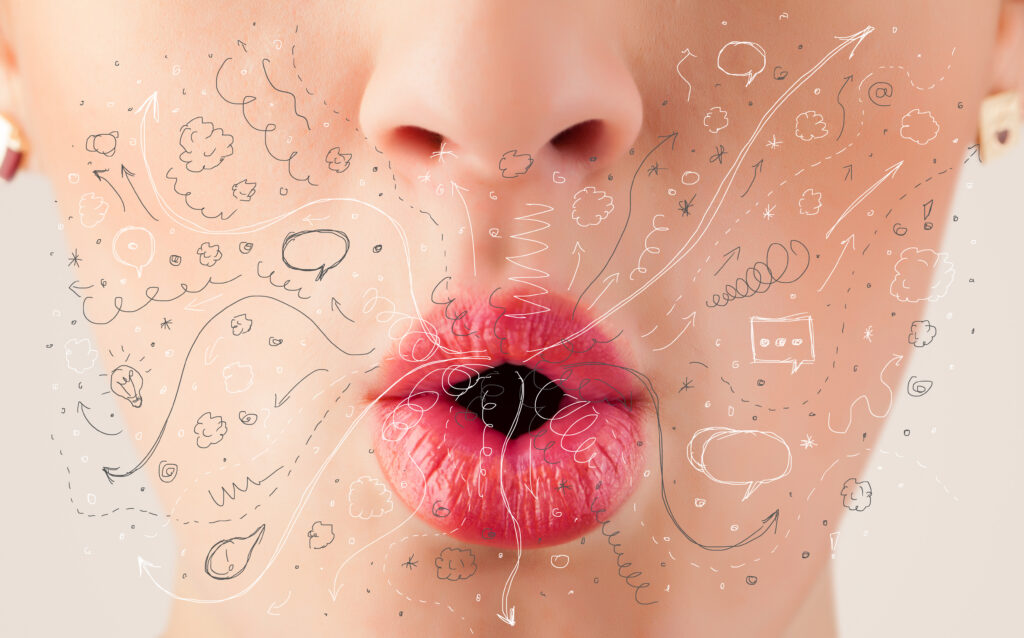
The vagus nerve responds most strongly during exhalation. This explains why yoga emphasizes longer exhales, why sighing feels relieving, and why research on breathing techniques consistently finds that extended exhalation activates parasympathetic responses. Horse breathing forces an extended exhale without requiring counting — the lip vibration naturally slows your breath.
Studies measuring heart rate variability show that slow breathing with long exhalations reduces stress in healthy people, improves athletic performance, and helps conditions from asthma to cardiac rehabilitation. The vagus nerve releases acetylcholine during activation, which slows heart rate and simulates relaxation.
30 Seconds vs. Complicated Patterns
Most breathing techniques require concentration: box breathing demands counting to four repeatedly, 4-7-8 breathing requires holding your breath for seven seconds. When you’re actually stressed and your mind is racing, remembering the pattern becomes another task. Horse breathing requires remembering nothing except “make the horse noise.”
The sound and physical sensation provide immediate feedback. You hear and feel the tension releasing, which makes it easier than silent exercises where you’re supposed to trust the process without sensory confirmation. Bean notes it’s particularly effective for people who feel “keyed up, frustrated, or irritated” — that wired state where your body won’t settle.
How to Actually Do It
Think about how your lips move when you say “brrr” on a cold day. Make that same motion, but blow air out. Let your jaw, lips, tongue, and face go completely slack. The goal is releasing a longer, relaxed exhale — don’t worry about perfecting anything.
The basic pattern:
- Inhale gently through your nose for 3-4 seconds
- Exhale through relaxed lips and jaw
- Let your lips vibrate for 5-8 seconds
- Keep shoulders, jaw, tongue, and face loose
- Repeat 3-6 times or until you feel different
Most people report feeling calmer within three cycles. Some feel sleepy. Others describe it as “finally being able to exhale for real.”
Why Ridiculous Works Better Than Serious
There’s something about doing something objectively ridiculous that short-circuits stress responses. When you’re monitoring your stress and trying to “fix” your anxiety, you’re still operating from a threat-based mindset. Making horse noises forces you out of that mode entirely. You can’t simultaneously worry about your mortgage and vibrate your lips like a relaxed horse.
This aligns with research showing playful physical activities reduce cortisol more effectively than serious relaxation attempts. The humor and physical movement engage different neural pathways. You’re not trying to relax. You’re just making weird noises, and relaxation happens as a side effect.
The biggest advantage is that it requires no ongoing practice, no apps, no commitment to a meditation routine. You don’t need to “get good at it” or build a habit. You just do it when you need it, and it works immediately or it doesn’t. It’s a tool that sits there ready when you need a quick reset, not another self-improvement project generating guilt when you skip it.