
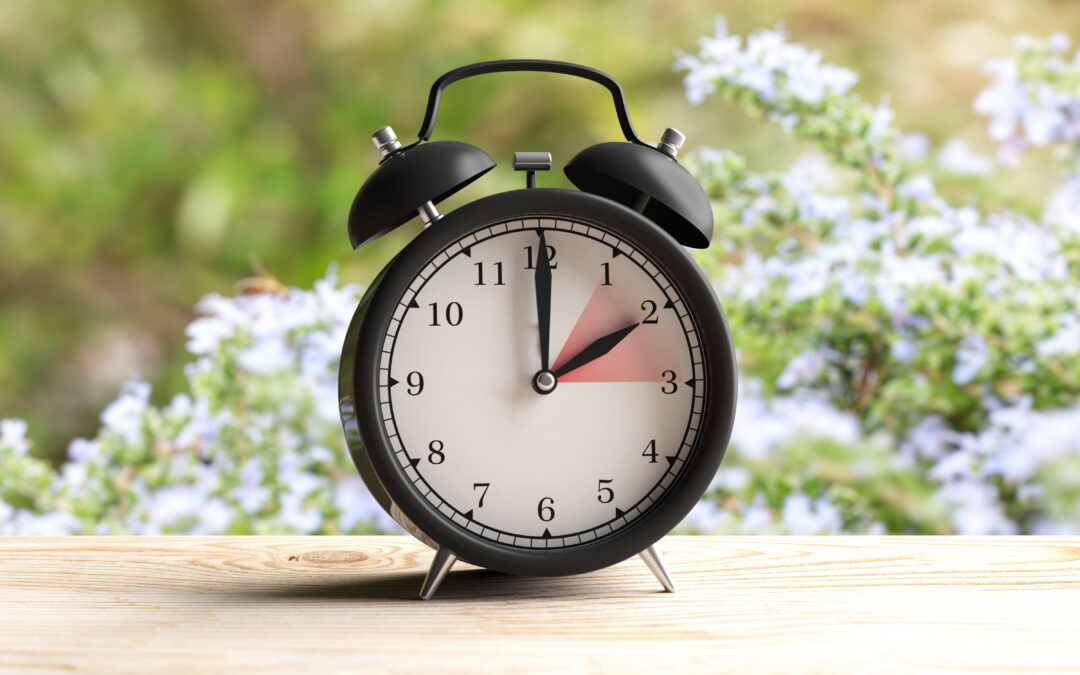
24% More Heart Attacks, Every Single March
The numbers are striking. A Michigan hospital admissions study found heart attacks spike 24% on the Monday immediately following the spring time change. The American Heart Association has flagged elevated stroke risk in the two days that follow as well. The effect is especially pronounced in women and older adults.
Why does one lost hour trigger such a serious physical response? Even small disruptions to sleep activate stress hormones that raise blood pressure and make blood more prone to clotting — particularly in people who are already at some cardiac risk. It’s not just fatigue. It’s a measurable physiological cascade that starts the moment your circadian rhythm gets yanked off schedule.
Fatal car crashes also temporarily rise in the days after the spring change, with the National Highway Traffic Safety Administration linking the spike specifically to sleep deprivation in the mornings.
Your Mood, Hormones, and Hunger Signals
The disruption isn’t limited to the cardiovascular system. Your body’s internal clock — the circadian rhythm — orchestrates everything from cortisol and melatonin release to appetite regulation and mood. When the clock jumps an hour forward while sunrise stubbornly stays dark, that orchestration goes sideways.
The result can include increased anxiety and irritability, disrupted hunger cues, and a general sense of low-grade wrongness that can linger for days or even weeks. The Johns Hopkins Bloomberg School of Public Health notes that the adjustment disrupts sleep patterns for more than 300 million Americans — a number that underscores just how systemic the problem is.
300 Million People, Zero Federal Agreement
More than half of Americans — roughly 54%, according to a Gallup poll — want to stop changing the clocks. But the debate doesn’t end there: even among people who want to “lock the clock,” there’s genuine disagreement about which time to lock it on. Permanent daylight saving time means darker winter mornings. Permanent standard time means earlier sunsets. Health experts, including the American Academy of Sleep Medicine, generally favor permanent standard time as more closely aligned with natural circadian rhythms.
Over 31 states considered legislation on the issue in 2025 alone, and 18 have passed laws or resolutions — all waiting for Congress to act. The bipartisan Sunshine Protection Act has been reintroduced multiple times and passed the Senate by unanimous consent in 2022, only to stall in the House. A 2026 proposal, H.R. 7378, would split the difference and move clocks only 30 minutes. For now, under the Uniform Time Act, changing clocks twice a year remains federally mandated — with no change expected before this Sunday.
Shifting Your Body Before the Clocks Change
Sleep experts have a consistent recommendation: don’t wait until Saturday night. Starting tonight, move your bedtime 15 to 20 minutes earlier than usual. Do the same tomorrow night, and again the night after. By Sunday, the one-hour jump will feel significantly less jarring.
Once the clocks have changed, the most effective reset is morning sunlight. Getting outside in natural light — even for 15 or 20 minutes — signals your brain that morning has arrived and helps recalibrate melatonin production. Moving your usual meal times and exercise slightly earlier in the days ahead can reinforce that signal.
What’s Actually Worth Changing Right Now

The usual sleep hygiene advice applies here with extra urgency: cut off caffeine by early afternoon this week, and reduce evening screen exposure. Blue light from phones and laptops delays melatonin release, which makes falling asleep at an earlier hour harder — exactly the opposite of what you need heading into the change.
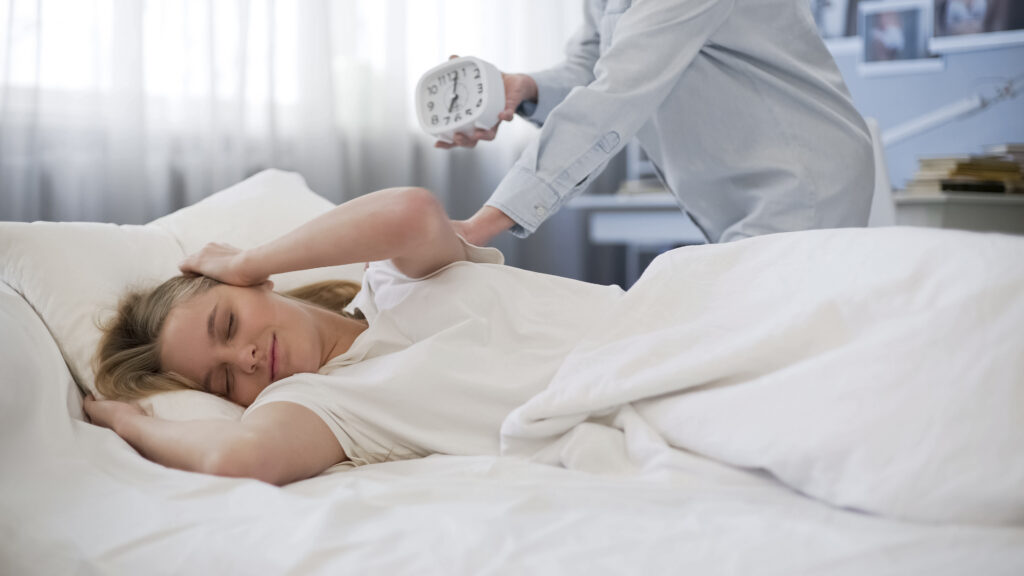
One thing to resist on Monday morning: sleeping in to compensate. It feels logical, but it delays your body’s adjustment and makes the rest of the week harder. Getting up at your normal time — or as close to it as you can — and getting outside will move you through the transition faster than an extra hour in bed.
The good news is that most people are back to baseline within a week to ten days. The less good news: it happens all over again in November.