
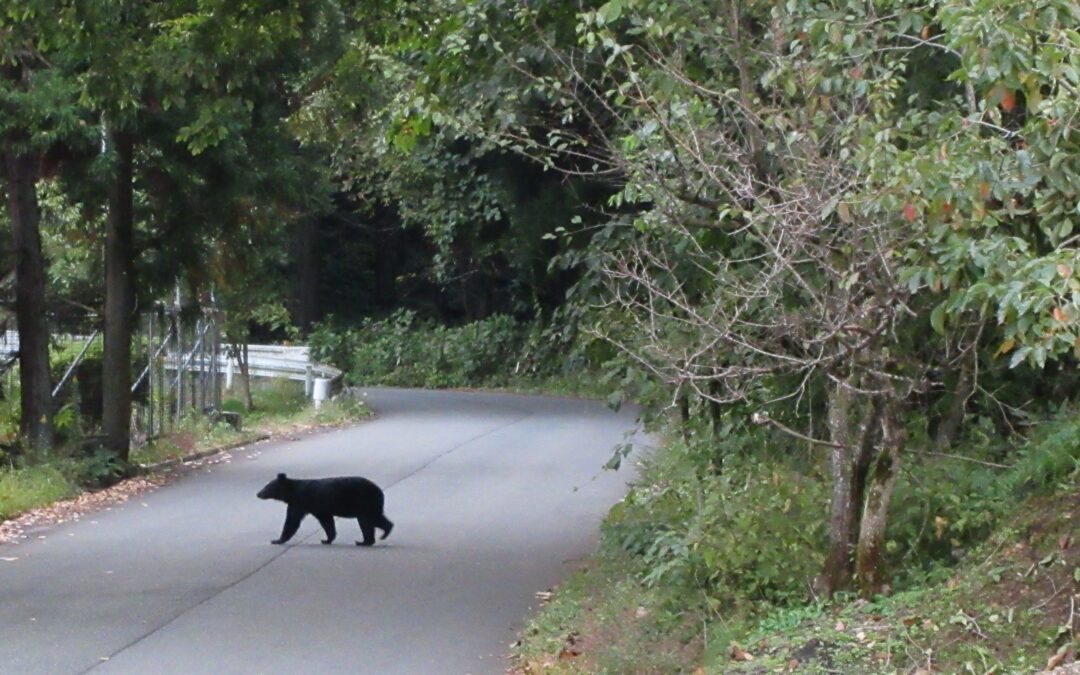
Last fall, an adult bear walked into an open grocery store north of Tokyo, tore through the sushi section, knocked over a pile of avocados, and injured two people before officials could intervene. A few weeks later, Japan’s Self-Defense Forces arrived in Akita Prefecture to set traps. Not for enemy combatants — for bears.
It sounds like the premise of a dark comedy. But Japan’s bear crisis is one of the stranger, more sobering wildlife stories of the past year, and the explanation scientists have landed on is not what anyone expected.
A Record That Kept Getting Worse
In 2025, bears killed more than a dozen people across Japan and injured more than 200 others — shattering the previous fatality record set just two years earlier. Bears were spotted near schools, inside a train station restroom, and prowling hotel parking lots for hours. The US Embassy in Tokyo issued a rare wildlife alert warning American citizens to stay vigilant. By November, the situation in Akita Prefecture had grown severe enough that the governor publicly said the crisis had “surpassed what the prefecture and municipalities can handle on their own.”
Most of the attacks involved Asiatic black bears — animals not normally considered aggressive toward humans. That’s what makes a new study from Keio University so striking.
The Culprit Was Sunlight

Or rather, the absence of it. Researchers analyzing climate and satellite data found a weather anomaly tied to climate change at the root of last year’s surge: a weakening of the westerly winds that typically carry dry air into Japan and hold back Pacific moisture. Without those winds doing their job, northern Japan became significantly cloudier than usual. Akita endured what the study’s authors describe as one of its darkest springs in recent memory.
Less sunlight reaching the forest floor meant forest ecosystems couldn’t produce the young shoots, nuts, and berries that bears depend on. Beech trees across northern Japan produced almost no nuts in 2025. Hungry bears, finding nothing to eat in the forests, pushed into cities and towns in search of food.
It’s a chain reaction that begins in the atmosphere and ends in a supermarket aisle.
A Forest Already Shrinking
The cloud theory doesn’t exist in isolation. Japan’s bear population has nearly quadrupled since 2012 — from around 15,000 to an estimated 54,000 — driven by warming temperatures that have historically been good for reproduction. Meanwhile, the number of licensed hunters in Japan has dropped by roughly half since 1970, removing a natural check on bear populations.
Rural depopulation has also quietly dismantled the buffer zones that once kept bears at a distance. Farming villages that once formed a patchwork between deep forest and city edges have emptied out over generations, leaving behind abandoned orchards and overgrown land. Bears have moved into that real estate. What used to be a clear boundary between wilderness and settlement has blurred into something far more ambiguous.
Six Continents, One Pattern

Japan’s crisis isn’t an isolated anomaly. University of Washington researcher Briana Abrahms has spent years documenting how climate change amplifies human-wildlife conflict globally — and found evidence of it on six continents, in five oceans, involving mammals, birds, fish, and invertebrates. During droughts, elephants venture into agricultural areas. Marine heat waves push whale migration routes closer to fishing lines. Forest fires move tigers toward human settlements. In each case, the underlying mechanism is the same: a climate disruption destabilizes food or water sources, and animals respond by going wherever those resources still exist.
Japan’s Bear Season as a Preview
The Keio researchers warn that cloud-driven forest failures are likely to become more frequent as global temperatures rise — and that the warning signs are detectable months in advance. Satellite data can flag reduced solar radiation and suppressed vegetation growth before bears ever make their first move toward populated areas. The technology for early intervention already exists.
That matters beyond Japan. Climate-driven wildlife conflict is projected to intensify worldwide as ecosystems shift and animals and humans increasingly compete for the same shrinking resources. The grocery store bear in Akita isn’t a freak incident. It’s a preview — visible now, in the data, if anyone is looking.