
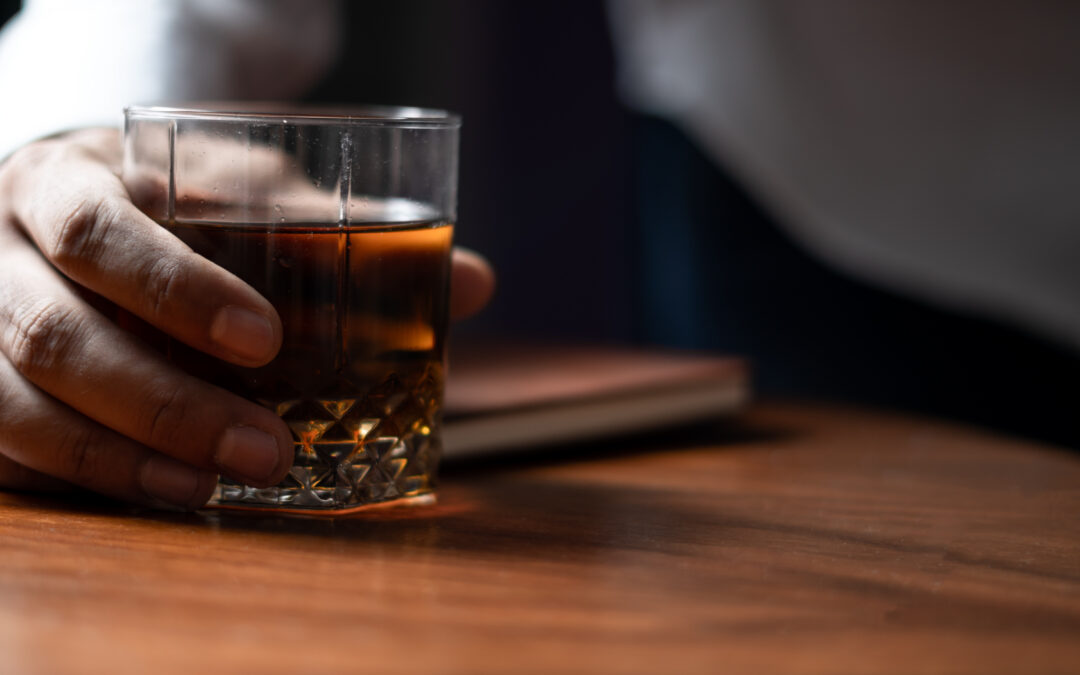
You haven’t touched a drop. The bottle is still on the shelf. But the moment someone suggests tequila — something already shifted. A new study confirms what most people have probably felt but never had a name for: just thinking about a type of alcohol is enough to change your mindset.
The research, published in the journal Young Consumers, involved 429 participants across four studies and was led by Logan Pant, a marketing professor at the University of Evansville. No alcohol was consumed at any point. The entire effect was cognitive — which is precisely what makes it interesting.
Tequila, Whiskey, Wine: Three Distinct Mental States
The patterns that emerged were consistent enough to be striking. Thinking about tequila activated a “party” mindset — participants associated it with words like fun, wild, energetic, and celebratory. Whiskey triggered what researchers called a “masculinity” mindset: strong, rugged, confident, tough. Wine, meanwhile, reliably primed a sophistication mindset, evoking elegance, refinement, and class.
Participants were randomly assigned a drink type and asked to rate how strongly they felt certain qualities just by thinking about it. The associations were consistent enough across experiments that researchers concluded these aren’t random impressions. They’re deeply ingrained symbolic cues — learned through years of cultural exposure, advertising, and social experience — that activate before a single sip happens.
The Advertising Industry Already Knew This

None of this is accidental. Alcohol brands spend billions constructing exactly these associations, building lifestyle identities around their products rather than just selling a flavor. The rugged ranch setting for whiskey. The sun-drenched, uninhibited energy of tequila campaigns. The candlelit dinner and polished stemware of wine marketing. These images don’t just sell product — they train the brain to link a drink with a particular version of yourself.
What the research confirms is that this conditioning works at a level deeper than conscious preference. You don’t just choose tequila because you like the taste. You reach for it because some part of your brain has already decided what kind of night you’re having.
Why This Matters Beyond the Bar
The implications extend well past what to order. If simply thinking about a drink activates a particular mindset, it means these associations could be shaping decisions before anyone even decides to drink — influencing how an evening gets planned, what risks feel appropriate, how social expectations form.
This is particularly relevant given declining alcohol consumption rates across the US. Only 54% of US adults reported drinking in 2025 — the lowest level recorded since Gallup began tracking the statistic in 1939. Younger generations are drinking measurably less, with Gen Z consuming roughly 20% less alcohol per capita than millennials. But they’re still swimming in alcohol-related media, imagery, and cultural cues every day.
The study’s authors point out that this matters precisely because of that gap: a generation that doesn’t drink much is still absorbing the symbolic associations those drinks carry. The mindsets get planted whether or not the glass ever gets filled.
Learned Associations, Unlearned Assumptions

There’s something worth sitting with here about how much of social identity is built on symbolic scaffolding. Tequila as a personality. Whiskey as a vibe. Wine as a signal of taste and refinement. These aren’t just marketing constructs — they’re shorthand that people actually use to communicate who they are and what kind of experience they’re after.
The study’s researchers suggest these associations could be targeted by public health campaigns to encourage moderation by reframing the contexts and identities linked to drinking. That’s a long road. But even without any policy implications, the finding is a useful mirror: the next time a drink choice feels like an expression of personality, it’s worth knowing that feeling was probably installed long before you had any say in it.