
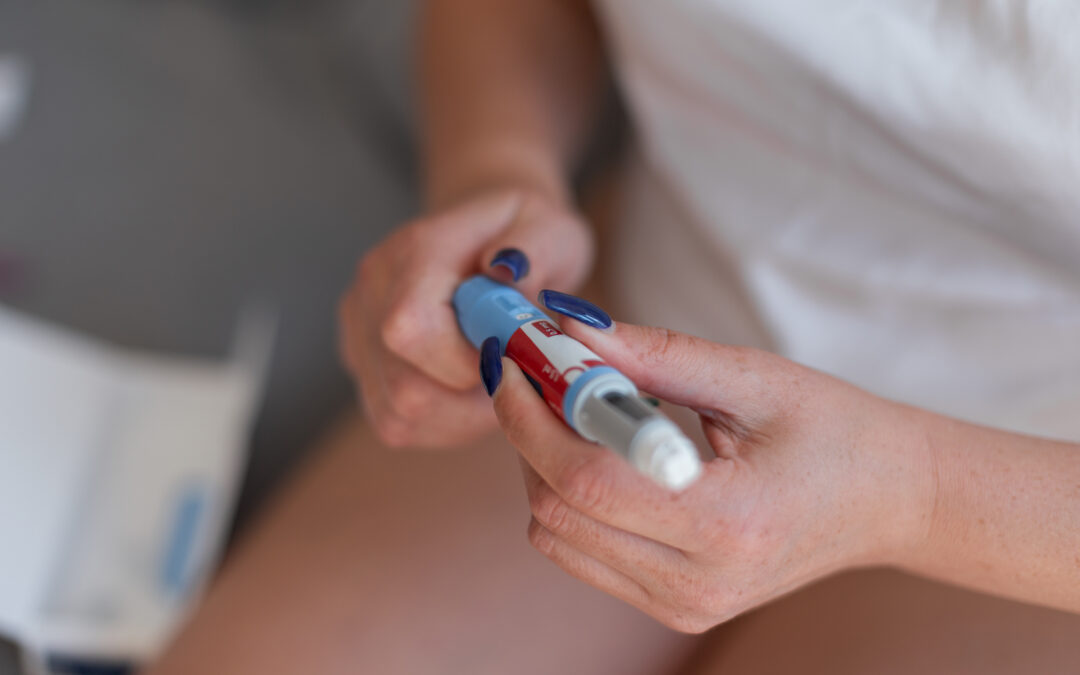
A major new study is sounding the alarm for the millions of Americans who have started — and stopped — taking Ozempic and other GLP-1 drugs. Researchers found that quitting these medications doesn’t just trigger weight regain. It can silently reverse years of cardiovascular protection, raising the risk of heart attack, stroke, and death — sometimes within just six months.
The study, published March 18 in BMJ Medicine by researchers at Washington University School of Medicine in St. Louis, tracked 333,687 U.S. veterans with type 2 diabetes over three years. Patients who took GLP-1 medications — including semaglutide (Ozempic, Wegovy) and tirzepatide (Mounjaro, Zepbound) — continuously for the full study period saw an 18% reduction in cardiovascular risk, roughly four fewer major cardiac events per 100 people. That protection built steadily over years, driven by the drugs’ combined effects on cholesterol, blood pressure, inflammation, and insulin resistance.
The more alarming finding was how fast those gains disappeared after stopping. Quitting for just six months raised cardiovascular risk by 4 to 8% compared to continuous use. A year off pushed that figure to 14%. Two years without treatment raised risk by 22% — effectively erasing the benefits, and then some.
“We expected some loss of benefit after stopping,” said lead author Ziyad Al-Aly, MD, a clinical epidemiologist at WashU Medicine, “but the pace was striking. Protection that takes years to accumulate can vanish in a few months of stopping.”

Al-Aly and his team describe the phenomenon as metabolic whiplash. When GLP-1 use ends, cholesterol climbs, blood pressure rises, inflammation returns — all the conditions the drugs had been quietly managing. Unlike weight regain, this reversal is invisible. “It doesn’t announce itself until it surfaces in the ER as a heart attack or a stroke,” Al-Aly said.
Restarting therapy after stopping partially — but not fully — restored protection. Patients who resumed treatment recovered only a 12% cardiovascular risk reduction on average, compared to 18% for those who never stopped. Discontinuation, Al-Aly said, “leaves a lasting scar.”
The findings land against a well-documented discontinuation problem in GLP-1 therapy. Studies put the dropout rate anywhere from 36% to 81%, driven by cost, side effects, and drug shortages. Approximately one in eight U.S. adults now takes a GLP-1 drug.
The researchers noted key limitations: the study population was predominantly older male veterans with type 2 diabetes — a group at elevated baseline cardiovascular risk — and the observational design means association, not causation. The findings may not apply equally to people taking GLP-1s solely for weight loss.
Still, for the millions on Ozempic or considering stopping, the takeaway is stark: the benefits aren’t banked. They have to be maintained.