
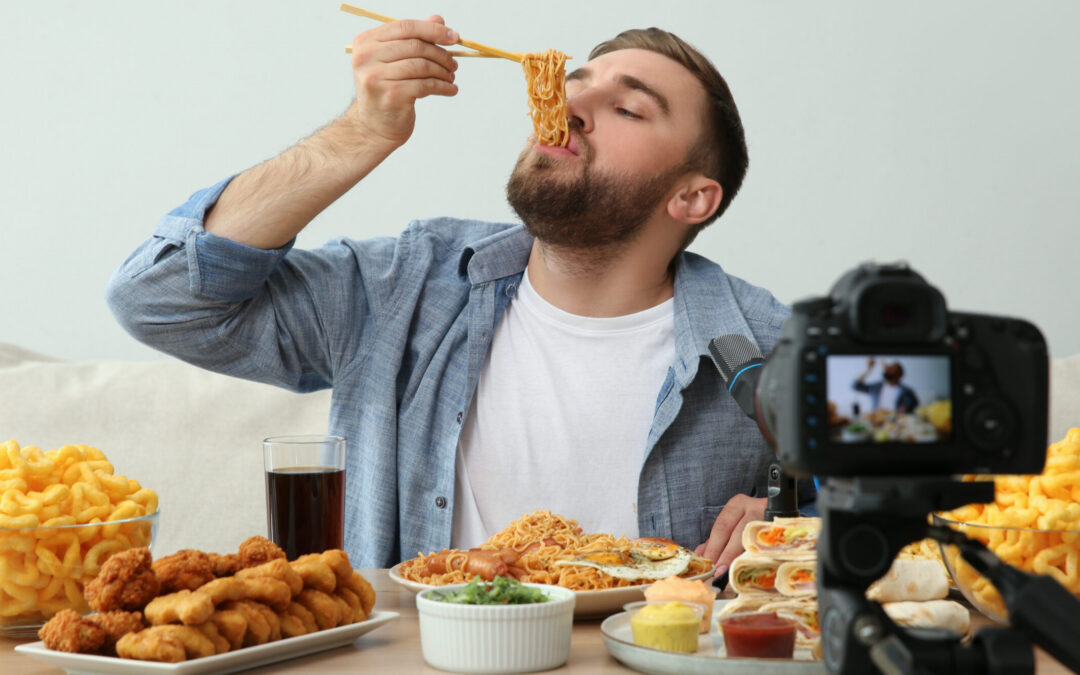
If you’ve never heard of mukbang, your kids probably have. The videos rack up over 30 billion views annually on YouTube, with millions more scrolling past on TikTok. The premise sounds bizarre: watch someone else eat massive quantities of food while they chat with you through the screen. But this South Korean phenomenon, which translates literally to “eating broadcast,” has become a global sensation that researchers are racing to understand.
The latest findings might surprise you. A new study from the University of Melbourne just flipped conventional wisdom about these videos on its head.
When Dinner Becomes Performance Art
Mukbang emerged in South Korea in the early 2010s, born from a culture where eating alone carried social stigma. In a country where the word for family literally means “those who share food from the same pot,” solo dining felt isolating. So people started broadcasting themselves eating — creating virtual dinner companions for millions.
The format evolved quickly. What began as simple meals turned into spectacles featuring enough calories to feed six adults, often reaching 15,000-20,000 calories per session. Hosts interact with viewers through chat, creating what feels like shared meals despite the screen between them. The appeal spread worldwide, and by 2025, the hashtag #mukbang had generated 5.3 million TikTok videos.
The Research Everyone Expected
For years, scientists assumed these videos must be harmful. The logic seemed obvious: watching people binge-eat enormous portions would normalize unhealthy behaviors and trigger eating disorders. Early studies backed this up, finding correlations between watching mukbang and increased eating disorder symptoms, particularly among young viewers.
Seoul National University researchers found over 100,000 YouTube videos using the term “mukbang” in just two years, with the primary motivation being loneliness relief. Cross-sectional studies consistently showed that frequent mukbang viewers reported more disordered eating patterns. The scientific community seemed unanimous: these videos were problematic.
But correlation doesn’t prove causation — and that’s where the story gets interesting.
What Actually Happened When People Watched
The University of Melbourne decided to run the first proper experiment. They had 327 young adults watch a 10-minute mukbang video, measuring their eating disorder urges, body image concerns, and mood both before and after viewing. The researchers expected bad news.
They got the opposite.
Women showed reduced dietary restraint. Men reported less desire to overeat. Nobody’s body image changed. The Psychology Today report on the findings noted that participants did feel less “up” after watching, but they didn’t feel more sad or distressed either. The researchers theorized the videos might actually reduce anxiety around eating and provide vicarious satisfaction that curbs binge-eating urges.
The Loneliness Economy
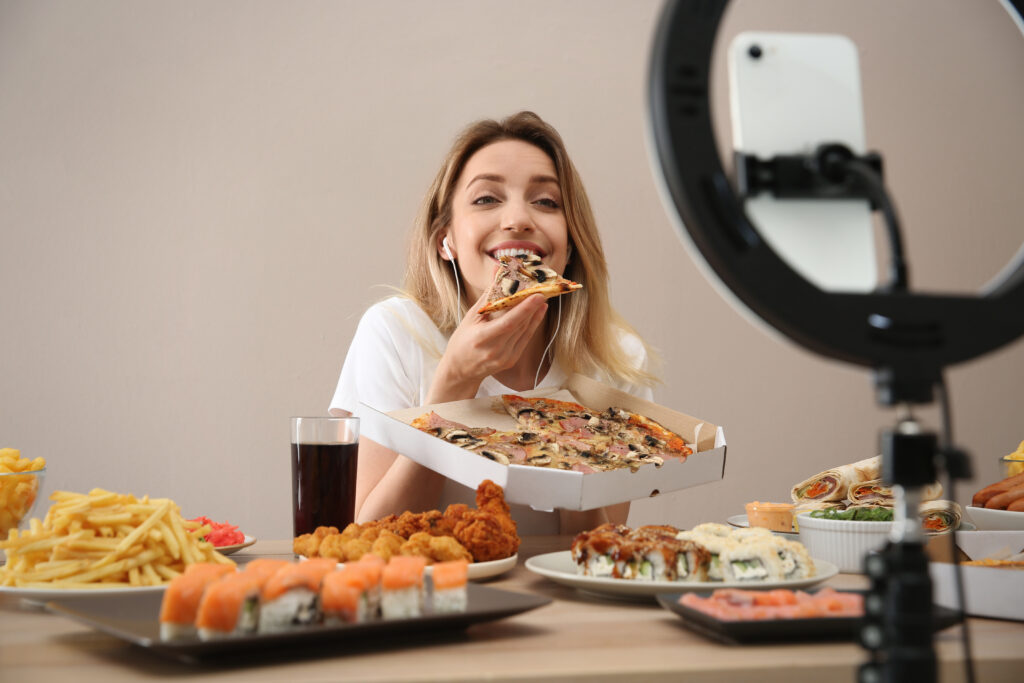
Understanding mukbang means understanding isolation. In the UK, 15% of viewers haven’t shared a meal with family members in over six months. South Korea’s hyper-competitive society leaves many people eating alone by necessity, not choice. The videos create what researchers call “parasocial relationships” — one-sided connections that nevertheless feel emotionally real.
For some viewers, mukbang serves as harm reduction. People with restrictive eating disorders watch others eat to satisfy cravings without consuming calories themselves. Others use the videos as background company during solo meals, mimicking the communal dining their schedules don’t allow. One qualitative study of viewer comments found mukbang could be simultaneously “useful and hurtful” — reducing loneliness while potentially reinforcing disordered patterns.
Money Makes the Mukbang Go Round
The financial incentives are substantial. Top creators can earn $10,000 monthly from a single platform, not counting sponsorships. One creator reportedly made $50,000 from a single Pizza Hut video featuring five pizzas. This transforms mukbang from casual content into career strategy, with creators escalating portion sizes to maintain audience interest.
The pressure shows. Nikocado Avocado, one of the most notorious mukbangers, gained massive weight documenting his eating — then shocked the internet by revealing a 250-pound weight loss he’d hidden for months. The revelation highlighted how performative these videos can be, with creators using editing tricks and strict regimens between filming to maintain appearances.
Where the Science Gets Complicated
The Melbourne study offers important nuance, but it examined short-term effects only. Watching one 10-minute video differs dramatically from the 34% of viewers who watch mukbang daily, as one Turkish study found. The research also lacked a control group, making it impossible to know if the changes came from the content itself or simply from 10 minutes passing.
Other studies paint a darker picture. Korean research links frequent mukbang viewing to anxiety symptoms and inappropriate weight control. A 2024 survey found correlations with depression, particularly among women with existing eating issues. The scientific consensus remains that problematic mukbang watching — treating videos as emotional crutches — creates more problems than it solves.
Digital Company, Real Consequences
The mukbang phenomenon reveals something profound about modern life: we’re so starved for connection that millions watch strangers eat rather than dine alone in silence. Technology offered a solution, but like most technological fixes for human problems, it’s imperfect.
The Melbourne study suggests short-term viewing might not cause immediate harm, potentially even offering temporary relief from eating-related anxiety. But the broader research shows excessive reliance on these videos as social substitutes correlates with worse mental health outcomes over time. The videos can’t replace actual human connection, no matter how engaging the hosts or elaborate the meals.