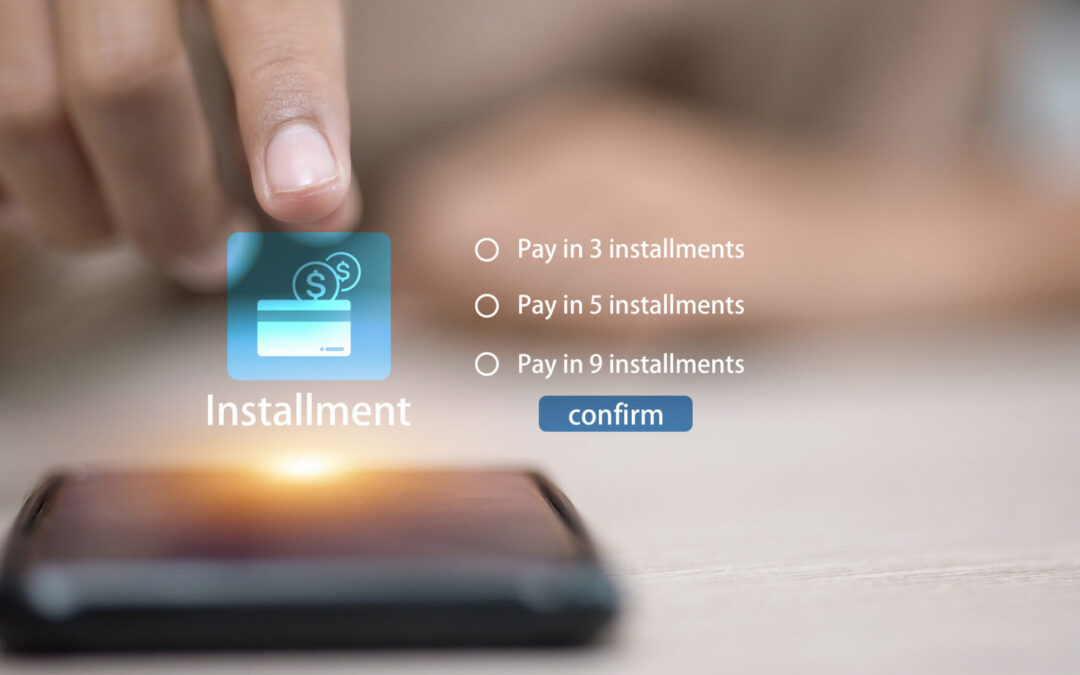
Half of shoppers plan to use buy now, pay later services for holiday shopping this year, according to PayPal’s latest report. That’s a massive increase from previous years, and it makes sense on the surface. Splitting payments into four installments with no interest sounds perfect when you’re staring at a gift list and a stretched budget. But financial experts and researchers are raising serious warnings about what happens when those installment payments start hitting your account in January.
Holiday BNPL spending reached a record $18.2 billion in 2024, with Cyber Monday alone accounting for $991 million in installment purchases. The services are especially popular with younger shoppers; 39% of Gen Z and millennials used BNPL during Black Friday weekend. The appeal is obvious, the consequences less so.
The Math That Doesn’t Feel Like Math
The buy now, pay later is so dangerous during the holidays because it doesn’t feel like spending real money in the moment. When you’re Christmas shopping and see that $200 gift can be yours for just $50 today, your brain processes that as a $50 purchase, not a $200 commitment.
Research from Harvard Business School found that first-time BNPL use was associated with total spending increases of around $130, and that elevated spending persisted for 24 weeks. The study also found BNPL use was linked to increased likelihood of dipping into savings and incurring overdraft, insufficient funds, and late fees.
University of California Irvine researchers analyzed bank and credit card data of nearly 11 million consumers and discovered BNPL users racked up at least $176 more per year in overdraft fees, credit card interest, and late fees after starting to use the services. That’s the hidden cost nobody mentions in the checkout flow.
Phantom Debt Nobody Can See
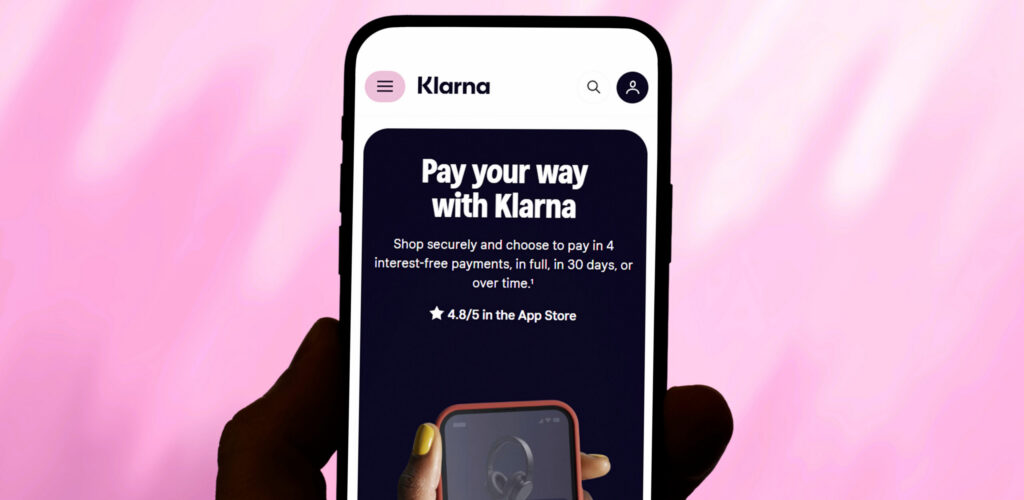
Most BNPL loans aren’t reported to credit bureaus, creating what economists call “phantom debt.” You know about it. Your bank account knows about it when those automatic payments hit. But credit agencies, other lenders, and even you might lose track of the total.
Wells Fargo economist Tim Quinlan coined the term, per Bloomberg, because this invisible debt has created a “black hole of information” that obscures the true financial health of consumers. Nearly two-thirds of BNPL users take out multiple loans at once, with 33% using loans from multiple companies simultaneously.
The problem is that you’re buying from multiple retailers over several weeks. One $150 purchase at Target becomes four payments of $37.50. Then there’s the $200 toy order from Amazon split into four. Add the $180 sweater from that Instagram ad, also in four installments. By December 15th, you’ve spent $530, but it felt like $142 because you only saw the down payments.
Come January, you’re facing multiple automatic withdrawals every week, sometimes on the same day.
Who Gets Hurt Most
The majority of BNPL users (61%) have subprime or deep subprime credit scores, according to Consumer Financial Protection Bureau research. These are the financially vulnerable consumers that BNPL supposedly helps by providing access to credit they couldn’t get elsewhere. But the data shows they’re also the ones most likely to miss payments, rack up fees, and compound their debt problems.
Twenty-one percent of BNPL customers in the UK have missed or made late payments, with 10% reporting visits from enforcement agencies or bailiffs. Nearly a third of BNPL customers who made a payment recently had borrowed money from another lender to make that payment, creating a spiral of debt on top of debt.
A 27-year-old behavioral analyst named Tia Whiteside told NBC News she spent $800 on beach trip supplies through Affirm; between her existing $10,000 credit card balance and accumulating BNPL payments, she realized “I can pay on my credit cards more freely if I don’t have that other consumer debt.” She’s since deleted the apps from her phone to avoid the temptation.
How to Use BNPL Without Destroying Your Budget
Look, BNPL isn’t inherently evil. If you need a new laptop for work and can afford the payments, splitting that cost into installments while keeping the cash in your account isn’t a terrible strategy. But holiday shopping is different because you’re making multiple purchases in a compressed timeframe, often for wants rather than needs.
Before clicking that “pay in four installments” button:
Track every BNPL purchase in one place. Don’t rely on remembering which services you used where. Create a spreadsheet or use your phone’s notes app to list every purchase, every due date, every remaining balance.
Calculate your January hit. Add up all the installment payments that will auto-draft in January and February. Can you actually afford to lose that money from your checking account every week while also paying regular bills and credit card payments?
Just 47% of BNPL users plan their payments ahead of time; most either “track loosely” or lose track altogether. Don’t be that person who gets four overdraft fees in one week because you forgot about the BNPL payments hitting your account.
The Real Cost of “Free”
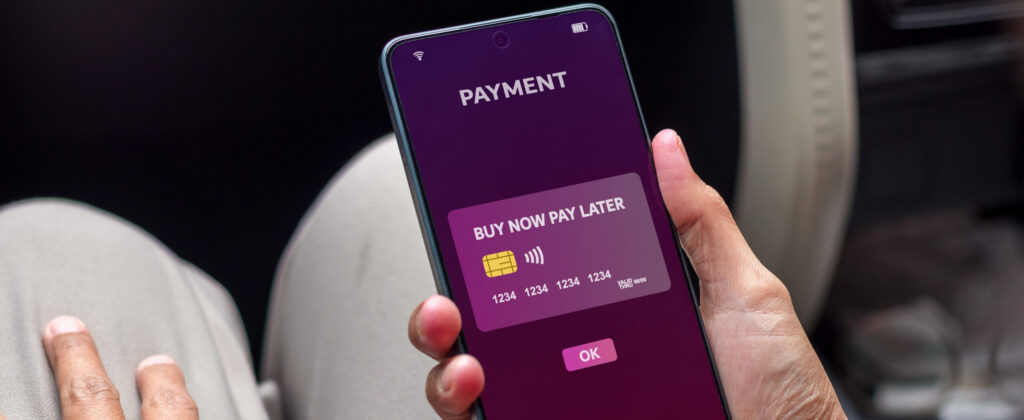
Buy now, pay later is marketed as interest-free, fee-free credit. And technically it can be, if you never miss a payment and don’t overdraw your account when payments process. But Consumer Financial Protection Bureau data shows that BNPL users carry significantly more debt than non-users: $453 more in personal loans and $871 more in credit card debt on average.
The question isn’t whether BNPL charges interest. The question is whether using it causes you to spend more than you would have otherwise, and whether those four easy payments make you forget you’re actually in debt until the money starts disappearing from your account in January.
For half of holiday shoppers this year, the answer appears to be yes.