
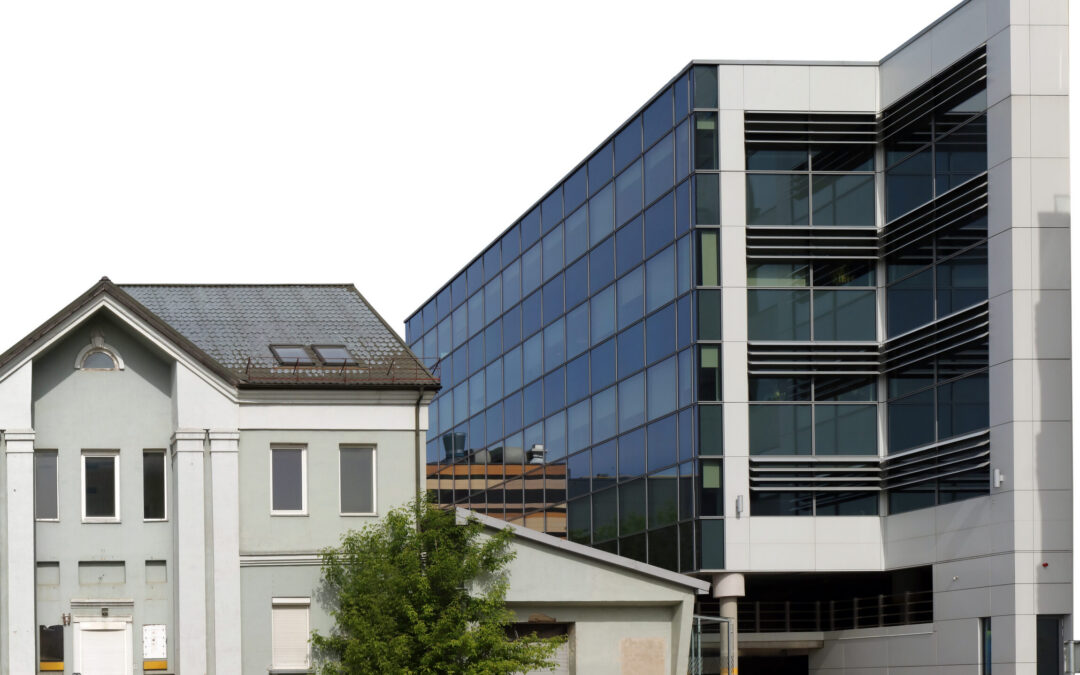
Imagine two identical buildings sitting side-by-side. Same size. Same square footage. Same number of people living inside. One building has two apartments. The other has three.
The building with two apartments follows normal residential construction rules; the same ones that apply to regular houses. The building with three apartments gets regulated like an office tower or airport terminal, requiring commercial-grade fire equipment, expensive sprinkler systems, and construction costs that can be twice as high per square foot.
This is not a hypothetical. This is how American housing works. At every level of policy, the system treats apartments as fundamentally different from houses, even when they’re the exact same size, hold the same number of people, and, according to modern safety data, apartments are actually safer.
The double standard is so embedded in American housing policy that it’s invisible to most people. But it’s a major reason why affordable housing has become impossible to build.
The Rule That Changes Everything: Two Units vs Three Units
Here’s where the double standard starts. Single-family homes and duplexes follow residential building codes. But add one more apartment — making it a triplex — and suddenly you’re following the International Building Code, the same rulebook used for stadiums, hospitals, and office buildings.
A triplex can have the exact same square footage as a large house. It can hold the same number of people as a house with a duplex next door. But because it crosses that magic threshold of “three or more units,” it gets hit with dramatically more expensive requirements.
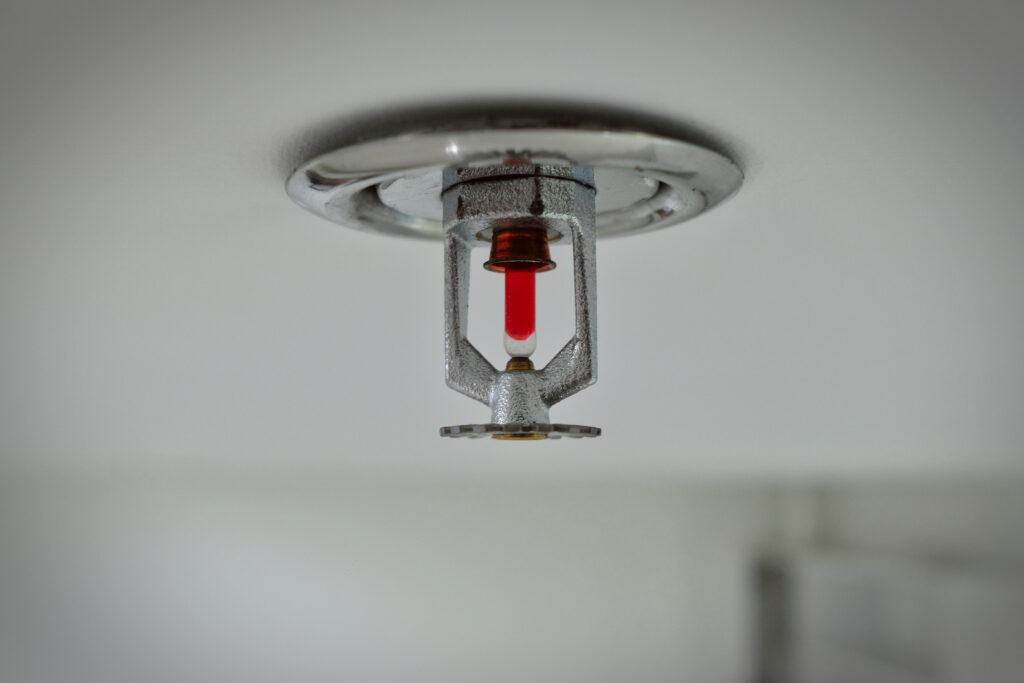
Most buildings with three or more apartments must install extensive sprinkler systems throughout. For a small developer trying to build a four-unit apartment building, the sprinklers alone can make the entire project financially impossible. A Memphis developer named Andre Jones discovered this when trying to build fourplexes (the sprinkler costs would have bankrupted him).
Nearly every US state has passed laws exempting single-family houses from sprinkler requirements. Houses don’t need them. Apartments do. Same building size, completely different rules.
Apartments Are Treated as “Commercial Property” Even Though People Live There
The double standard extends far beyond construction. Many places classify apartment buildings as commercial property for tax purposes, even though they’re obviously homes where people live.
Tennessee, for example, taxes apartment buildings at commercial rates… higher than the rate for single-family houses. A triplex where three families live gets taxed like a storefront or office building. A house where one family lives gets the residential rate.
Many cities also require anyone building three or more apartments to hire a dedicated architect to draw up custom plans, adding thousands in upfront costs. Meanwhile, you can build a house of the same size using pre-approved templates. Same building. Same people. Different rules.
Modern Apartments Are Safer Than Houses, But You’d Never Know It
Here’s what makes the double standard even more absurd. Research from the Pew Charitable Trusts found that modern apartment buildings have significantly lower fire death rates than single-family homes.
For buildings constructed since 2000, apartments are dramatically safer than houses when it comes to fire deaths. All those expensive safety features actually work. Yet the regulatory framework still treats apartments as inherently dangerous compared to houses, requiring costly commercial-grade equipment that houses don’t need.
The system is so backwards that it may actually be making housing less safe overall. When regulations make new apartment buildings too expensive to build, people stay in older, genuinely less safe housing. The rules designed for safety are preventing safer buildings from existing.
The Double Standard Was Intentional From the Start
In 1916, an influential urban planner named Lawrence Veiller explained exactly how to keep apartments out of cities without technically banning them. Use fire safety regulations to make them too expensive.
“The easiest and quickest way to penalize the apartment house is through the fireproofing requirements,” Veiller said in a speech. “In our laws let most of our fire provisions relate solely to multiple dwellings, and allow our private houses and two-family houses to be built with almost no fire protection whatever.”
He literally said the quiet part out loud: treat apartments and houses differently, pile expensive requirements onto apartments, and let houses off easy. More than a century later, we’re still following his playbook.
The Cost of Double Standards
These aren’t just annoying policy details. The double standard has real financial consequences. Research shows it costs significantly more per square foot to build apartments in America compared to houses, which is the opposite of how it works in other developed countries, where economies of scale make apartments cheaper to build.
One study found that building code requirements alone can add $169 to $279 per month to the rent on a two-bedroom apartment. That’s just covering construction costs, before any profit margin.
Meanwhile, American policies subsidize homeownership at every turn. Mortgage interest tax deductions. Lower property tax rates. Simpler building requirements. The system is designed to make owning a house easy and renting an apartment expensive.
The housing shortage is so severe that basic shelter has become a luxury good. We treat apartments like second-class housing, regulate them out of existence, and then wonder why rent is unaffordable.