
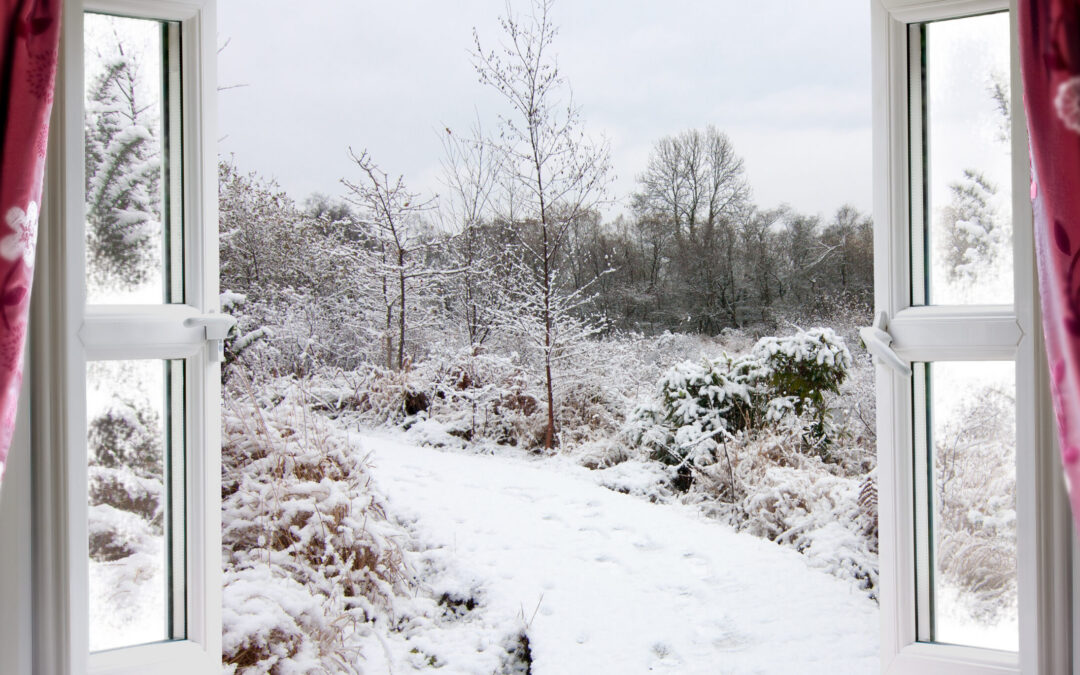
Your German neighbor throws open every window at 7 a.m. in January. You think they’ve lost their mind, they think you’re slowly poisoning yourself.
Welcome to “house burping,” the latest wellness trend that’s been standard practice in Germany for generations. The concept is blowing up on American social media, with millions of views on TikTok videos showing people practicing what Germans call lüften, the art of systematically airing out your home by flinging windows wide open, even when it’s freezing outside.
Americans spend roughly 90% of their time indoors, according to the Environmental Protection Agency, breathing air that’s often 2 to 5 times more polluted than outside. Every breath you take adds carbon dioxide to your sealed-up home. Your furniture off-gasses volatile organic compounds. Cooking releases particles. Showering creates moisture that breeds mold. In our energy-efficient, airtight modern houses, all of that just sits there, accumulating.
The Practice Germans Consider Non-Negotiable
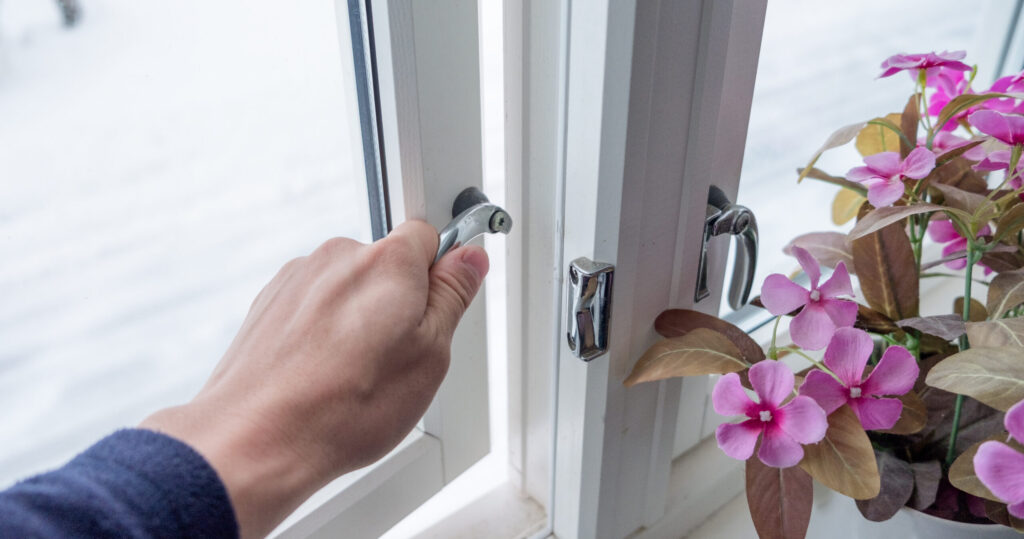
Lüften isn’t just cracking a window while you make coffee. It’s a deliberate, brief blast of fresh air designed to completely exchange your indoor atmosphere. The German Federal Ministry for the Environment recommends opening all windows in a room (or ideally your entire home) simultaneously to create cross-ventilation. In winter, 5 to 10 minutes is enough. In summer, 20 to 30 minutes does the job. The key is opening windows fully, not leaving them on a latch, which just cools your walls without actually refreshing the air.
Germans distinguish between stoßlüften (shock ventilation) and querlüften (cross-ventilation). The first involves opening windows in one room briefly, typically twice daily. The second opens windows on opposite sides of your home to create a through-draft. German windows are even designed differently, with specialized hinges that tilt or swing open multiple ways to fine-tune airflow. And it’s taken seriously enough that landlords provide multi-page ventilation guides to new tenants.
Why Your Sealed House Might Be Making You Sick
The reason this matters more now than ever is how we build homes. Modern construction prioritizes energy efficiency, which means homes are essentially airtight thermoses. Great for your heating bill, terrible for indoor air quality. Your cleaning products release chemicals. Your pressed-wood furniture emits formaldehyde. Pet dander, dust mites, and mold spores accumulate. Without proper ventilation, you’re essentially marinating in a cocktail of pollutants that can trigger headaches, fatigue, and respiratory issues.
Research shows that opening windows during the pandemic reduced COVID transmission risk by over 70% in residential settings by diluting viral particles. Air quality professional Tony Abate, chief technology officer for AtmosAir Solutions, told TODAY that house burping prevents mold, reduces contaminants, and lowers carbon dioxide buildup. When you bring in fresh outdoor air, you dilute indoor pollutant concentrations and flush them out.
The American Resistance to Open Windows
Here’s where cultural differences get interesting. Americans have central heating and air conditioning systems designed to maintain consistent indoor temperatures year-round. The idea of deliberately introducing 30-degree air into a heated home feels wasteful and uncomfortable. There are legitimate concerns too: security, noise pollution, insects, and those skyrocketing electricity bills.
A 2021 study on energy efficiency in Germany found that lüften may negatively impact heating costs, which is particularly problematic given how energy expenses have surged. Turn off your heating before opening windows, or you’re literally paying to heat the outdoors. The practice also doesn’t work the same way in all climates or building types. Modern tightly-sealed homes in humid areas might need mechanical ventilation systems rather than just open windows.
Making It Work Without Overthinking It
If you want to try house burping without becoming obsessive about it, start simple. Open windows first thing in the morning for 10 minutes while you’re getting ready. Do it again after cooking dinner or having guests over; times when your indoor air is particularly stale. If you live somewhere with decent cross-breezes and manageable humidity, this quick air exchange helps dilute pollutants without dramatically affecting your heating bill.
The sweet spot is brief and intentional rather than leaving windows cracked all day. Fully open for a short burst exchanges the air efficiently. If you’re in a city with poor outdoor air quality, combine window ventilation with an air purifier. For damp basements or moisture-prone areas, a dehumidifier helps prevent the mold growth that lüften aims to eliminate. The German approach works because it’s systematic and consistent.