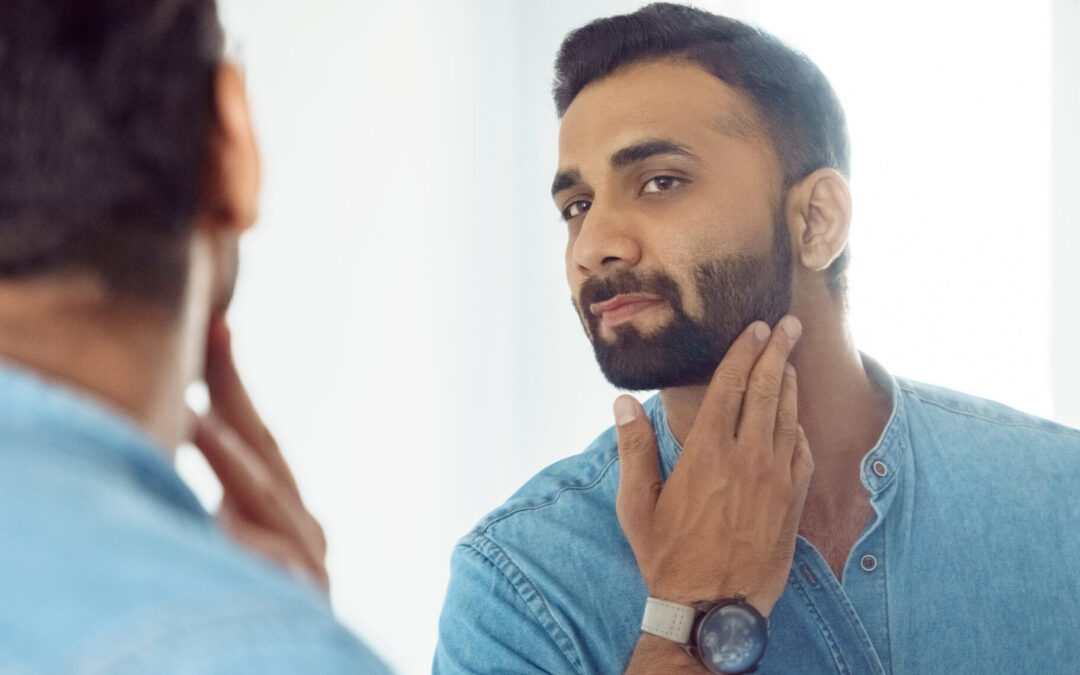
Getting ahead at work used to be about competence, credentials, and maybe a little charm. Now it’s also about your cheekbones, your jawline, and whether you look camera-ready for every Zoom call.
Welcome to the era of professional “looksmaxxing” — where Botox, Ozempic, fillers, and surgical tweaks have become part of career strategy. What started as a niche internet term has evolved into a mainstream corporate survival tactic, and the numbers make it impossible to ignore.
The American Society of Plastic Surgeons reported a 14% jump in cosmetic procedures in 2024, with Botox and fillers leading the surge. Ozempic prescriptions have skyrocketed, with analysts estimating over 2 million Americans now using it for weight loss — many of them explicitly for professional reasons, not health concerns.
The Quiet Pressure to Look “Polished”
Emily Reynolds, a 44-year-old PR executive, invests heavily in her appearance to stay competitive. “I’m walking the precarious line between looking mature enough to show I’m experienced, and young enough to be desirable,” she told Business Insider. Her regimen includes Botox, fillers, laser facials, and intensive workout sessions.
She’s far from alone. A 26-year-old marketing associate confessed to starting Ozempic specifically because she knew she’d be on camera for client pitches. “It wasn’t about health — it was about optics.” Another woman said Botox was her “first professional expense” after landing a PR job, coming before furniture or even a proper work wardrobe.
Hiring managers don’t explicitly put “must be hot” in job descriptions, but they’re noticing. One told Business Insider: “We don’t put it in the job description, but presentation matters. Clients respond better to someone who looks polished.” The euphemism “polished” is doing heavy lifting here. What it really means: young, thin, symmetrical, and conspicuously maintained.
When Appearance Becomes Capital
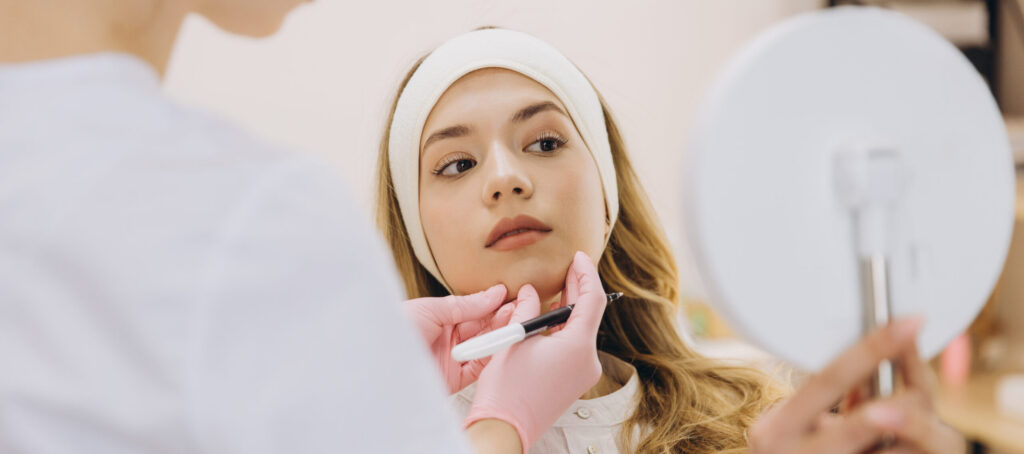
The shift reflects something bigger than vanity. In an attention economy where visibility equals credibility, appearance has literally become a form of capital. If your face doesn’t hold up well on video calls or your body doesn’t photograph well for corporate headshots, you’re at a disadvantage that has nothing to do with your actual abilities.
Social media accelerated this dynamic. Instagram filters gave us the blueprint for what “professional polish” looks like now. TikTok provides the tutorials. Reddit offers the advice. And bosses — whether consciously or not — reward the camera-ready face: symmetrical, sculpted, expensively maintained.
The result is a workplace culture where style has begun to substitute for substance. A Harvard Business Review study found that attractive people earn roughly 20% more than their less attractive peers. When looking good translates directly to earning potential, it’s rational — if dystopian — for people to treat aesthetic maintenance as a career investment.
The Inequality Baked Into “Looking Professional”
Here’s the uncomfortable truth: not everyone can afford to looksmax. Botox runs $300-600 every three months. Fillers cost $600-1,200 per syringe. A year of Ozempic without insurance can hit $13,000. Add laser treatments, personal trainers, and the time required to maintain all of this, and you’re looking at a second mortgage payment every month.
Those with resources gain an edge in meetings, networking events, and client presentations. Those without are competing in a game where the rules increasingly have nothing to do with their actual job performance. The inequality doesn’t disappear — it just gets repackaged in glossy, age-defying aesthetics.
This hits women particularly hard. Men face appearance pressure too, but research consistently shows women experience more intense scrutiny over their looks in professional settings. A 2020 study found 35% of women received inappropriate comments about their appearance during work Zoom meetings. Some were asked to wear more makeup or dress more provocatively, with the explicit suggestion it would help business.
The Psychological Toll Nobody’s Talking About

Beyond the financial burden, there’s a psychological cost to feeling like your face is a professional liability. When your value at work depends partly on whether you’ve injected enough filler or lost enough weight, it fundamentally changes how you see yourself.
Kareem Shami became the poster child for looksmaxxing after his YouTube transformation video got 15 million views. His story resonates because it taps into a real anxiety: that no matter how good you are at your job, you’re invisible if you don’t look the part.
The irony is brutal. People are chasing razor-sharp cheekbones with buccal fat removal while simultaneously inflating their faces with filler. Both approaches work in professional settings because what matters isn’t a specific look — it’s the visible evidence that you’re investing in your appearance. It signals you take yourself seriously, that you’re willing to play the game.
What This Means for the Rest of Us
The rise of professional looksmaxxing creates an uncomfortable bind for anyone who doesn’t want to participate. Do you spend thousands maintaining an appearance that has nothing to do with your actual skills? Or do you accept that you might be passed over for opportunities because someone else looked better in the pitch meeting?
There’s no good answer, which is precisely the problem. As long as workplace culture equates hotness with competence, employees will continue treating aesthetic maintenance as career strategy — not because it makes them better at their jobs, but because it makes them look like they belong.
The absurdity is that everyone knows this. We all understand that sculpted cheekbones don’t make you better at financial analysis, that Botox doesn’t improve your coding skills. But when first impressions happen on video calls and networking happens on LinkedIn where your profile photo carries enormous weight, appearance becomes impossible to separate from perceived capability.