

Forget book clubs where nobody actually reads the book. The hottest social gathering sweeping cities from Brooklyn to London has people actually doing the homework — and everyone’s eating well because of it.
Cookbook clubs are exactly what they sound like: groups of friends each cook a recipe from the same cookbook, then gather to share a multi-course feast. No single host bears the burden of cooking everything. No awkward “what should I bring?” texts. Just pure culinary democracy, one recipe at a time. Food Network identified cookbook clubs as a defining 2025 trend, noting they offer something social media never could — tangible connection over actual food you can taste.
From $100 Restaurant Bills to $25 Potluck Feasts
The math is brutal. Taking six friends out to a decent restaurant in any major city? You’re looking at $100+ per person when you factor in drinks, tax, and tip. Hosting a traditional dinner party solo? You’re spending similar money plus an entire Saturday cooking.
Cookbook clubs flip the economics entirely. According to Katie Carroll, a Brooklyn participant, you get a three or four course meal for roughly a quarter of restaurant costs. Everyone brings one dish. Everyone contributes one bottle of wine. The financial and emotional load gets distributed across the group rather than crushing a single host.
The timing isn’t coincidental. As inflation made restaurants feel like special occasions rather than regular outings, people wanted ways to maintain their social lives without destroying their budgets. Cookbook clubs delivered.
20 Friends, One Apartment, Zero Phones Out
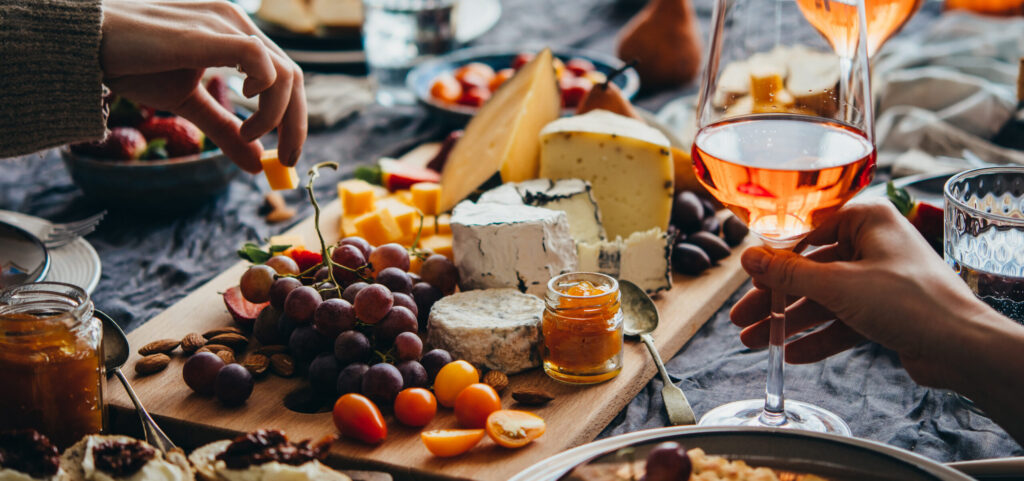
Stephanie Lau launched her Brooklyn cookbook club in February with a specific goal: turn her online community into something real. She started with 20 friends crammed into her one-bedroom apartment, everyone clutching their designated dish from the chosen cookbook.
The concept scratched an itch many didn’t realize they had. As one organizer told Food Network, “scrolling online is not really tangible, people want to interact with other people, people want to taste lots of different foods — not just see it flashing past on their feeds.” The cookbook club doesn’t ban phones, but it makes them irrelevant. When you’re comparing notes on whether the recipe’s suggested cook time was accurate, Instagram feels distinctly beside the point.
This global shift toward shared meals carries weight. The World Happiness Report found that countries where people share more meals have higher levels of social support and lower loneliness. Yet one in four Americans now eats every meal alone, up 53% since 2003. Cookbook clubs offer a structured solution to this isolation epidemic.
One Cookbook, Eight Recipes, Zero Single-Host Stress
The structure is delightfully simple. One person picks the cookbook — could be a well-worn favorite like Ina Garten’s “Barefoot Contessa” or something nobody’s tried yet. They photograph the recipe list and send it to the group. Everyone claims a dish: appetizer, main, side, dessert. The host sends each person their chosen recipe. On the designated evening, everyone shows up with their creation.
The beauty is in the variety. You might nail your dish while someone else’s recipe bombs spectacularly, and that becomes part of the story. Unlike a traditional dinner party where the host’s stress is palpable if something goes wrong, cookbook clubs distribute the risk. One mediocre dish in a spread of eight? Nobody cares. You laugh about it and move on.
When Your Soufflé Collapses, Everyone Has a Story
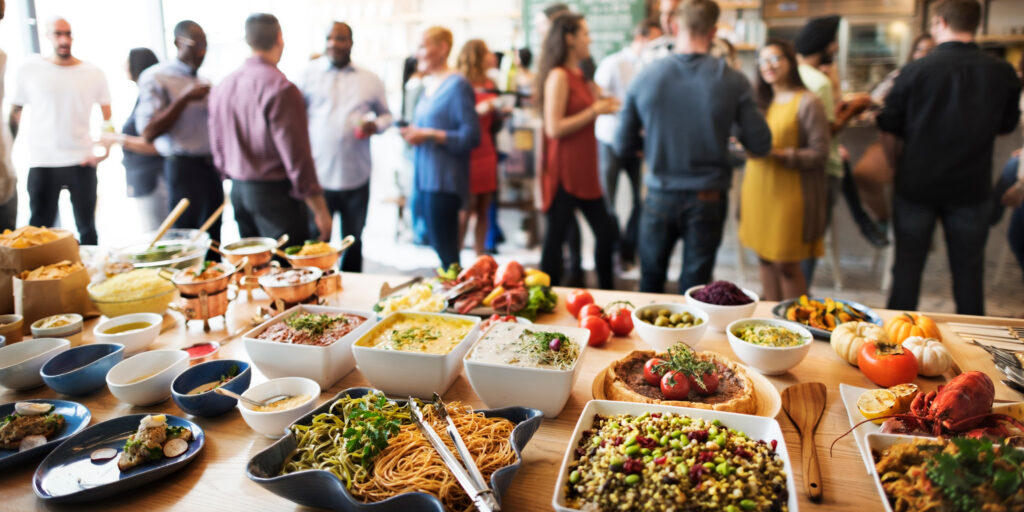
Beyond the obvious food and cost savings, cookbook clubs deliver something harder to quantify. They create what researchers might call “productive socializing” — you’re together, but you have a built-in conversation topic that isn’t work complaints or recycled gossip. Comparing cooking techniques, discussing recipe modifications, and debating ingredient substitutions gives everyone something substantive to talk about.
The format also introduces gentle accountability. When you commit to bringing a dish, you have to actually make it. That gets you in the kitchen cooking something new rather than ordering takeout for the third time this week. It’s social obligation turned positive.
And perhaps most importantly, cookbook clubs create memories that stick. Restaurant dinners blur together. But the night Sarah’s soufflé collapsed spectacularly? Or when everyone simultaneously realized the recipe’s spice measurements were catastrophically wrong? Those stories get retold for years. The shared creation — and occasional disaster — bonds people in ways passive consumption never could.
Why This Isn’t Just Another Fleeting Food Fad
The cookbook club model is already spawning variations. Some groups pick themes instead of single cookbooks. Others rotate hosting duties. A few have added wine pairings or made it explicitly phone-free. The core concept remains flexible enough to adapt to any group’s preferences.
What makes it sustainable isn’t just the economics. It’s that the format solves modern socializing’s biggest problems: it’s affordable, distributes effort, creates natural conversation, and gets people off screens without making a sanctimonious deal about it. It takes the best parts of dinner parties — great food, quality time with friends — while eliminating the parts that made them unsustainable for regular gatherings.