
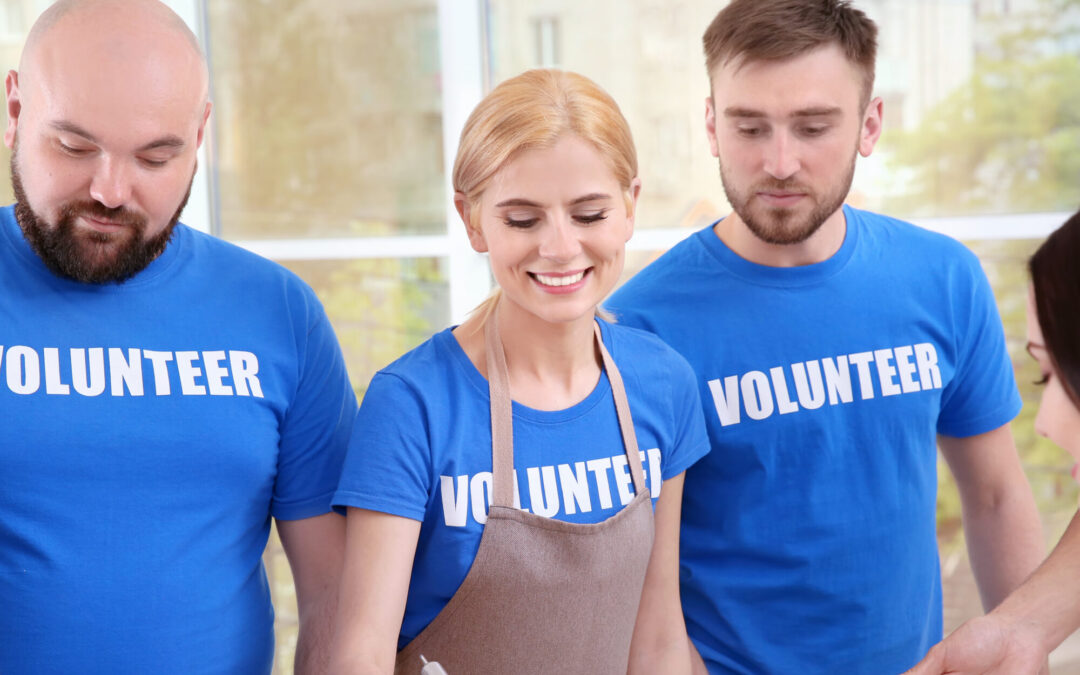
Every December, the impulse hits: donate to the food bank, sign up for a toy drive, serve meals at a shelter. We tell ourselves it’s the season of giving, that helping others is the right thing to do. What we don’t talk about enough is how volunteering might be one of the most selfish things you can do for your own health.
Research keeps piling up showing that people who volunteer regularly have a lower risk of mortality and better physical health as they age. We’re not talking about feeling warm and fuzzy — we’re talking about measurable changes in brain structure, lower blood pressure, reduced cholesterol, and decreased rates of depression and anxiety.
The Baltimore Experience Corps trial put this to the test. Researchers randomly assigned adults 60 and older to either volunteer at elementary schools or sit on a waiting list. The volunteers spent at least 15 hours a week tutoring underprivileged kids. After two years, brain scans revealed something remarkable: the volunteers had measurable changes in their brain health compared to the control group.
Your Body on Altruism
When you help someone else, your brain releases dopamine and oxytocin — the same feel-good chemicals associated with exercise or eating chocolate. Scientists call it the “helper’s high,” and it’s a real physiological response, not just a metaphor.
But the benefits go deeper than temporary mood boosts. Studies have linked regular participation in both formal volunteering and informal acts of kindness to a lower risk of cardiovascular disease. Volunteers are more likely to have lower cholesterol and blood pressure levels than people who don’t volunteer. They also report decreased rates of depression and anxiety, particularly people 65 and older.
The mechanism isn’t entirely mysterious. “Volunteering or doing an act of kindness can distract you from some of the problems that you might be having, so you might be a little bit less reactive yourself,” explains Laura Kubzansky, a professor at Harvard’s School of Public Health. It provides perspective on your own problems while simultaneously making you more physically active and less socially isolated.
Social isolation is a known risk factor for both physical and mental health problems, especially as we age. When you volunteer, you’re not just helping others — you’re building connections, creating purpose, and protecting yourself from loneliness.
The December Surge (And Why It’s Not Enough)

Volunteering spikes dramatically during the holidays. From November through December, volunteer participation increases by 50%. Americans gave almost $500 billion to charity last year, with 30% of annual donations happening in December alone. Ten percent of that comes in the final three days of the year.
The impulse makes sense. The holidays heighten our awareness of people who are struggling. Food banks need extra hands. Shelters are packed. Toy drives launch. The infrastructure for giving is everywhere, making it easy to participate.
But here’s the uncomfortable truth: one-off holiday volunteering, while helpful, doesn’t provide the same health benefits as consistent, year-round service. The research showing reduced mortality risk and improved brain health comes from studies of people who volunteer regularly — at least two hours per week over extended periods.
Luis Gatica, who volunteers at Cedars-Sinai after his day job, puts it bluntly: “Everybody wants to be a good person during the holidays, but you don’t have to wait for the holidays to do something meaningful for those in need. There are always people in need, every single month of the year.”
What Actually Sticks
The most meaningful volunteering aligns with your values and interests. If you love animals, volunteer at a shelter. If education matters to you, tutor kids. If you’re worried about food insecurity, work at a food bank. When you care deeply about the cause, the emotional rewards amplify.
Volunteering with friends or family creates shared experiences and strengthens relationships. It also makes commitment easier — you’re less likely to bail when someone else is counting on you to show up.
Start small to avoid burnout. An hour a week is infinitely more valuable than a single eight-hour marathon that leaves you exhausted and unlikely to return. Most organizations would rather have consistent volunteers than sporadic heroes.
The Mealtime Mates program that Gatica volunteers with pairs people with hospital patients who need help eating. For one hour each week, he talks and listens to someone new. “It’s not like giving someone a gift card. It’s more personal,” he says. “You’ve helped somebody in a very human way.”
The Self-Interest Argument

If health officials took the research seriously, they’d make volunteering a public health priority alongside diet and exercise. The evidence is there: regular volunteers show lower inflammation markers, better cognitive function, and increased longevity. They report greater life satisfaction and sense of purpose.
You don’t need to frame volunteering as pure altruism. It’s fine to acknowledge that helping others also helps you. That doesn’t diminish the value — if anything, it makes participation more sustainable. When you tangibly benefit from something, you’re more likely to keep doing it.
The tricky part is finding opportunities that fit your schedule and skill set. Online platforms like VolunteerMatch can connect you with organizations in your area. Local hospitals, community centers, houses of worship, and schools all need consistent volunteers. Many offer flexible scheduling to accommodate working adults.
Even informal acts of kindness count. Taking soup to a sick neighbor, helping someone carry groceries, spending time with an elderly relative — these smaller gestures also trigger positive health effects. The key is making helping behaviors a habit rather than an occasional impulse.
Beyond the Season of Giving
The holiday volunteer surge creates its own problems. Many nonprofits have more volunteers than they can accommodate in December, then struggle to staff programs in February. What they actually need is year-round commitment, not seasonal enthusiasm.
But start where you are. If the holidays prompt you to finally sign up, use that momentum. Just don’t stop when January arrives. Try committing to one regular shift per month. See if it sticks. Notice how it makes you feel.
The research suggests you’ll feel different pretty quickly. Better mood, less stress, more energy. Over time, those effects compound into measurable health improvements. You’ll live longer, function better, and feel more connected to the people around you. All while helping solve real problems in your community.
It’s rare to find something that’s genuinely good for everyone involved. Volunteering might be one of those things.