
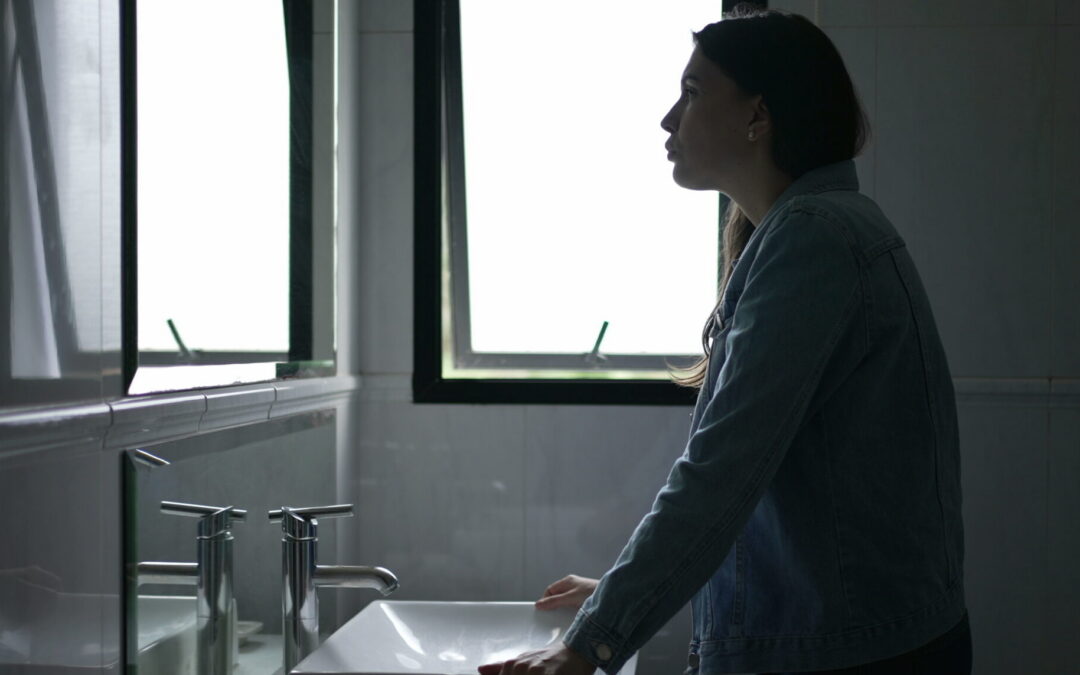
Be honest. When was the last time you told someone you needed to use the bathroom, locked the door, and then just… stood there? Maybe scrolled your phone. Maybe stared at nothing. Maybe sat on the edge of the tub contemplating your life choices while your family wondered what was taking so long.
If you’re nodding along, congratulations: you’re a bathroom camper. And you’re far from alone. TikTok has exploded with videos about bathroom camping, the practice of retreating to a bathroom for extended periods without actually needing to use it. Millions are realizing this thing they thought was their weird personal quirk is actually a widespread coping mechanism — and it’s sparking conversations about why so many of us need to hide in the bathroom to feel okay.
When Escape Costs Zero Dollars
TikToker @Hendo claims he’s been bathroom camping for 20 years. “There’s nothing going on in the bathroom,” he explains in a viral video. “It’s just straight — me and me — in that bathroom.” When life gets overstimulating, whether he’s at a party, at work, or even just home alone, he disappears to the bathroom for a mental reset. Sometimes for hours.
The comments sections of these videos read like collective therapy sessions. “Omg I thought it was just a weird thing I loved to do,” wrote one person. “My bathroom has always been my safe space and the first thing I check when moving to a new place for comfort,” shared another. Parents especially resonated. One mom admitted she’s snuck hot Cheetos during bathroom breaks. Another described taking absurdly long showers whenever she knew she was “off duty.”
The bathroom offers something increasingly rare in modern life: guaranteed solitude with a locked door and zero questions asked. No one interrogates why you’re in there. No one wonders if you’re being antisocial. The closed door is its own explanation.
The Psychology Behind Your Stall Time
The trend has caught the attention of mental health experts, and their takes are more nuanced than you might expect. Media psychology writer Cynthia Vinney points out that extended bathroom isolation can sometimes signal underlying anxiety or depression. But psychologist Shreya Chakravarty describes bathroom camping as “a response to the overwhelming stresses of daily life” — a brief escape from relentless demands that acts as a pressure valve for the nervous system.
The distinction matters. Taking five or ten minutes in the bathroom to decompress after a stressful meeting? That’s adaptive coping. Spending hours in a stall avoiding work, relationships, and responsibilities? That might indicate something deeper worth exploring with a therapist.
Many TikTokers have realized their bathroom camping stems from childhood trauma. “Started bathroom camping at 10 to avoid the yelling and get some privacy,” one user shared. “And I’ve yet to stop.” Others described the bathroom as the only room in their home with a lock, the sole place they could cry without intrusion or hide during family violence. For these individuals, the behavior evolved from survival strategy to ingrained habit.
Not Just a Gen Z Thing
While TikTok made the term viral, bathroom camping transcends generations. Parents have been doing this forever — they just called it “going to the bathroom” and hoped their kids didn’t notice the 20-minute gap. One workplace study found employees regularly use bathroom breaks not for their intended purpose, but as micro-sanctuaries from overwhelming work environments.
The behavior also appears across different contexts and motivations. Some people use it for emotional regulation, taking a few minutes to calm anxiety or process difficult feelings. Others treat it like meditation, sitting in silence to clear their minds. Some scroll social media or listen to music. A few even bring snacks.
The commonality? Everyone’s buying themselves breathing room in a world that doesn’t naturally provide it. In our always-on, constantly connected culture, the bathroom might be the last place you can close a door and not feel obligated to respond to anyone.
When Your Safe Space Should Be Somewhere Else
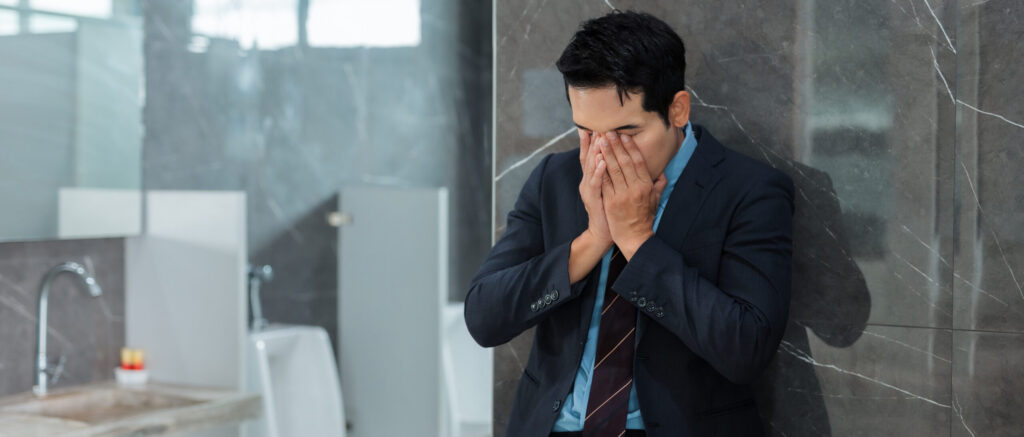
Here’s where experts get cautious. Sam Dahm, a therapist specializing in stress management, has seen bathroom camping become problematic in school settings, with students disappearing for hours to the point teachers don’t know if they’re still in the building. The behavior can reinforce avoidance patterns rather than building genuine coping skills.
The bathroom also isn’t ideal from a practical standpoint. It’s designed for hygiene, not relaxation. Extended sitting can contribute to health issues. And in public settings, stall-squatting creates tension with people who actually need the facilities — as one commenter with IBS pointedly noted.
Mental health professionals suggest that if bathroom camping is your primary stress management tool, it might be time to develop additional strategies. Therapy can help identify why you feel the need to physically isolate and build a broader toolkit for emotional regulation. Some workplaces and schools are even creating designated quiet rooms — actual mental health spaces not tied to toilets and sinks.
The Bigger Question Nobody’s Asking
The bathroom camping trend reveals something uncomfortable about modern life: we’re so overstimulated, so constantly available, so lacking in private space that people are genuinely grateful to lock themselves in rooms designed for bodily functions.
That’s not a dig at bathroom campers. It’s an indictment of a culture that makes solitude so difficult to claim that we have to pretend we’re using the toilet to get five minutes of peace. The fact that millions of people immediately recognized this behavior in themselves suggests the problem isn’t individual weirdness — it’s collective burnout finding creative outlets.
So if you’re reading this from a bathroom stall right now, you’re understood. Just maybe ask yourself: is this working for you, or is it time to find a better way to get the space you clearly need?