
People showed up with pepper spray. They camped out overnight in November cold. They called stores hundreds of times. All for a $44 glass cup shaped like a bear wearing a tiny green beanie.
The Starbucks Bearista cup launched November 6 as part of the chain’s 2025 holiday collection and sold out nationwide within hours. One family arrived at a Brooklyn Starbucks at 2 a.m., only to be told by baristas four hours later they were buying all the cups themselves. Resale prices immediately hit over $1,000 on eBay. Some listings reached $1,250.
This isn’t an isolated incident. It’s the latest example of how Gen Z has completely flipped the script on status symbols. While previous generations signaled wealth through luxury cars, designer handbags, or expensive jewelry, younger consumers are turning affordable everyday items into badges of belonging that photograph just as well on Instagram.
The $30 Monster Doll
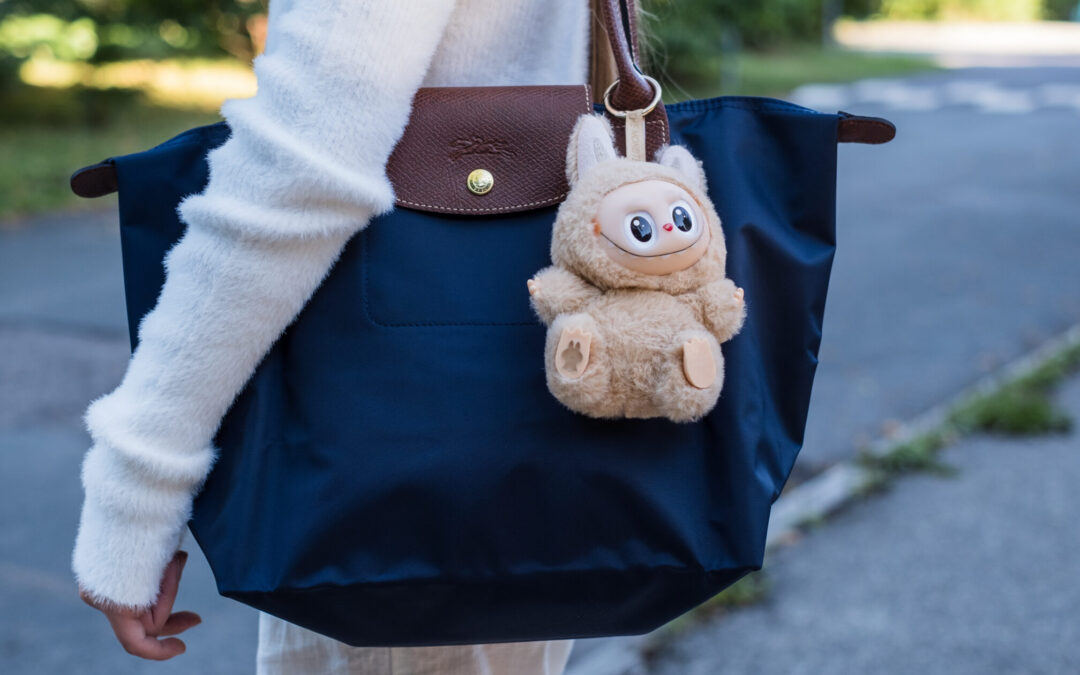
Meet Labubu, a mischievous plush monster with pointed ears, serrated teeth, and a grin that somehow manages to be both adorable and unsettling. These “ugly-cute” creatures, created by Hong Kong artist Kasing Lung and sold by Chinese company Pop Mart, have become the hottest accessory of 2025.
You’ll spot them everywhere: dangling from Prada bags, clipped to backpacks, worn as brooches. Celebrities like Rihanna, Dua Lipa, and Blackpink’s Lisa helped launch the trend, but it’s Gen Z that’s turned Labubu into a cultural moment. Pop Mart reported a 170% revenue increase in early 2025, with Labubu sales alone accounting for over $420 million.
The secret sauce? Blind boxes. You don’t know which Labubu you’re getting until you open the package, creating an addictive hunt for rare variants. Some “secret” editions have just a 1-in-72 chance of appearing, and resellers are cashing in with prices reaching hundreds of dollars on secondary markets.
The $45 Water Bottle Wars
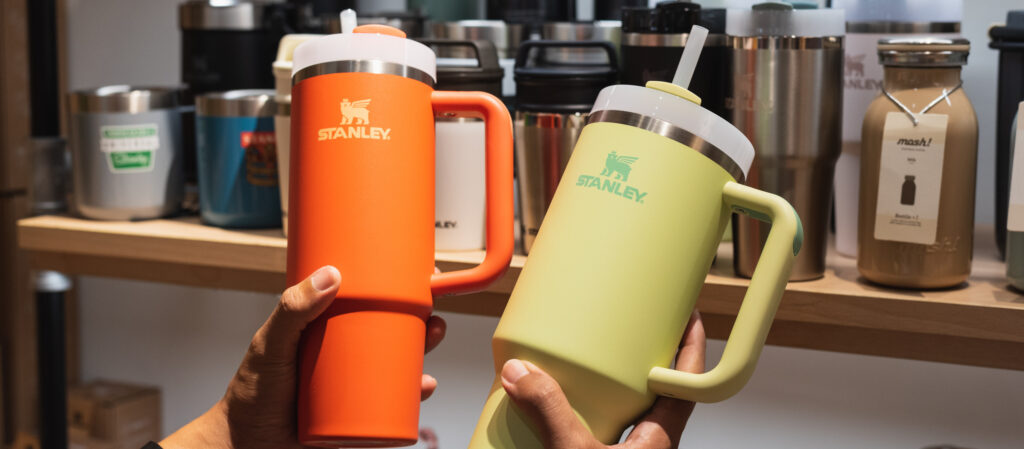
If you haven’t witnessed the Stanley cup craze firsthand, the scenes might shock you: overnight lines at Target stores, stampedes when limited editions drop, TikTok videos with 20+ million views documenting the chaos. We’re talking about insulated tumblers here; water bottles.
The 40-ounce Stanley Quencher became the most-featured item in Gen Z Christmas videos, according to consumer trend analysts. Limited-edition collaborations with Starbucks sell out in minutes, with resale prices averaging $186 for the Winter Pink tumbler.
But here’s the uncomfortable truth: middle school students have been bullied for carrying knockoff Stanleys. One mom’s viral TikTok revealed her 9-year-old was mocked for bringing a cheaper dupe to school, with classmates calling it “fake” and “not as cool.” She bought her daughter a real Stanley to stop the teasing.
When Grocery Bags Become Designer
In London, Trader Joe’s canvas tote bags have reached cult status, despite the fact that there isn’t a single Trader Joe’s location in the entire United Kingdom. These bags are being resold on eBay for five times their retail price, treated with the reverence typically reserved for designer accessories.
The Trader Joe’s phenomenon extends beyond bags. Gen Z has turned grocery shopping into performance art, with influencers posting hauls of snacks and treats like they’re unboxing luxury goods. According to Bank of America research, 57% of Gen Zers buy treats weekly, and Trader Joe’s unique products fit perfectly into this “affordable luxury” mindset.
Why Cheap Became Cool
This shift isn’t random; it’s economic anxiety meeting social media culture. Gen Z came of age during a pandemic, inflation, impossible housing costs, and crushing student debt. Traditional success markers like homeownership feel impossibly distant.
So they’ve created new ones. When big luxuries are unattainable, small indulgences provide comfort and identity. A 2025 study found Gen Z spending $200-250 monthly on “little treats,” with nearly 60% admitting it leads to overspending.
Social media turns micro-purchases into status displays. When you can’t afford the designer bag, you can afford the $30 charm hanging from it. When homeownership is out of reach, you collect $45 tumblers. The items cost less, but they signal the same thing: you’re in the know, part of the community, culturally fluent.
What It Really Means
This trend reveals how younger generations are redefining status itself. When traditional milestones feel impossible, Gen Z creates new ones rooted in community, self-expression, and accessible joy rather than pure wealth.
For brands, the lesson is clear: authenticity and accessibility now trump luxury positioning. For everyone else, it’s a reminder that status symbols have always been arbitrary. They just used to cost more.
Whether it’s a bear-shaped cup, a monster doll, or a grocery tote, these items serve the same function as any luxury good: signaling belonging and identity. The only difference? The price tag dropped, but the social currency stayed exactly the same. as any luxury good: signaling belonging, expressing identity, and providing small moments of happiness in uncertain times..