

Something strange is happening at parties, concerts, and coffee shops across the country. People are showing up without their phones — and they’re loving it.
From phone-free dance parties to analog bags packed with crossword puzzles instead of chargers, a growing movement is quietly rejecting the culture of constant documentation. The Global Wellness Institute named “analog wellness” one of 2025’s defining cultural trends, marking a fundamental shift in how we socialize, create, and connect.
What Your Brain Actually Needs
The desire to unplug isn’t just nostalgic yearning. Research shows it’s a biological necessity. According to a 2025 study published in Frontiers in Human Dynamics, digital detox practices offer significant cognitive and emotional advantages, including improved attention, stress reduction, and enhanced self-reflection. Harvard Medical School researchers found that participants who took a one-week social media break experienced a 24.8% reduction in depression symptoms and a 16.1% drop in anxiety.
A comprehensive analysis published in the Journal of Clinical Psychology demonstrated that journaling interventions resulted in a 5% greater reduction in patient health measures compared to control groups. The tactile act of putting pen to paper activates neural pathways that typing simply cannot replicate.
When Documenting Everything Became Tacky
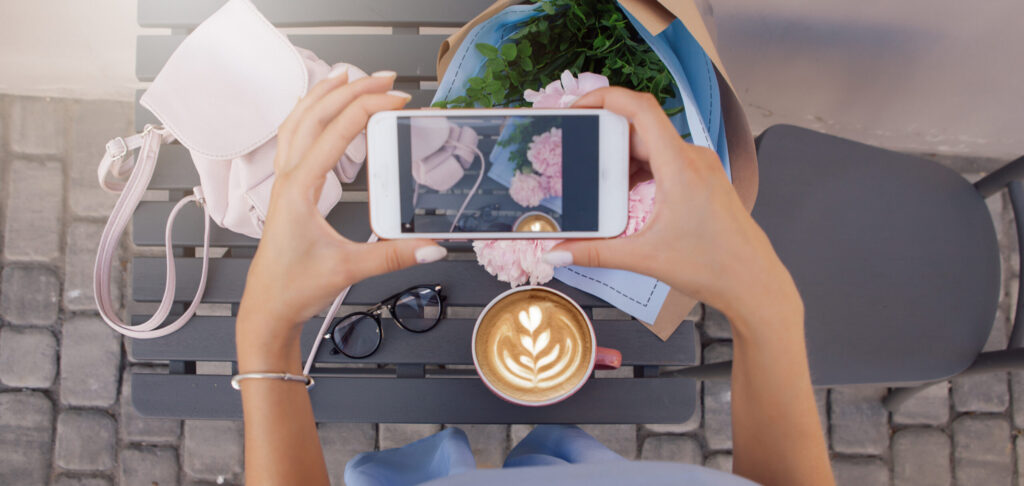
The movement isn’t just about wellness — it’s also about rebellion. Writer J Wortham predicts that documenting everything will increasingly be seen as tacky, with “screenless hangs” becoming the new status symbol. The paradox? This shift is happening precisely because online life became too performative.
Phone-free gatherings are exploding in popularity. The Offline Club of Europe has grown to over half a million Instagram followers, with chapters locking phones in boxes at events where reading, conversation, and board games replace scrolling. Apps like 222 facilitate meetups with no profiles, no swiping, and no DMs — just vetted groups gathering based on shared interests.
Vinyl Is Outselling CDs (Again!)
This cultural shift has real economic weight behind it. Vinyl sales have outsold CDs for four consecutive years, with 46 million records sold in the U.S. in 2024 alone. According to data from the Vinyl Alliance, 50% of Gen Z vinyl buyers see the medium as a form of digital detox.
But vinyl is just the beginning. Board game sales are up. Craft supplies are flying off shelves. Film cameras are back in production. A 2025 Harris Poll found that 71% of consumers believe print catalogs feel more authentic than digital ads.
Why Handwriting Beats Typing
The resurgence of handwritten journaling has captured particular attention from neuroscientists. Stanislas Dehaene, a psychologist at the Collège de France, explains that writing by hand activates a unique neural circuit that contributes to learning in ways researchers didn’t previously realize. Students who take handwritten notes retain information significantly better than those who type, because the slower pace forces deeper cognitive processing.
Research in Applied Psychology: Health and Well-Being found that gratitude journaling improved sleep quality, while other studies link expressive writing to enhanced immune function and fewer sick days.
The New Status Symbol: Being Offline

The shift is perhaps most visible in social spaces. Phone-free birthday parties, concerts with device lockboxes, and “analog bags” filled with hobby supplies have become markers of a new social contract. Psychologists note that the mere presence of phones creates interpersonal distance — University of Essex research from 2012 found that people felt less close when phones were simply lying on the table, even unused.
Events like Sync in Burlington, Vermont advertise with the tagline “Hang out with strangers. Leave your phone at home.” Hotels like Six Senses now partner with companies that create phone-free spaces using Faraday fabric to block all incoming signals.
What We’re Reclaiming
This isn’t about rejecting technology wholesale. It’s about recalibrating our relationship with it. The rise of analog wellness reflects what happens when digital saturation reaches a breaking point — when the promise of connection delivers isolation instead, and when constant documentation prevents us from actually experiencing what we’re documenting. The movement suggests we’re collectively recognizing what research has been telling us for years: that attention is finite, that presence is valuable, and that some experiences are worth keeping to ourselves.