
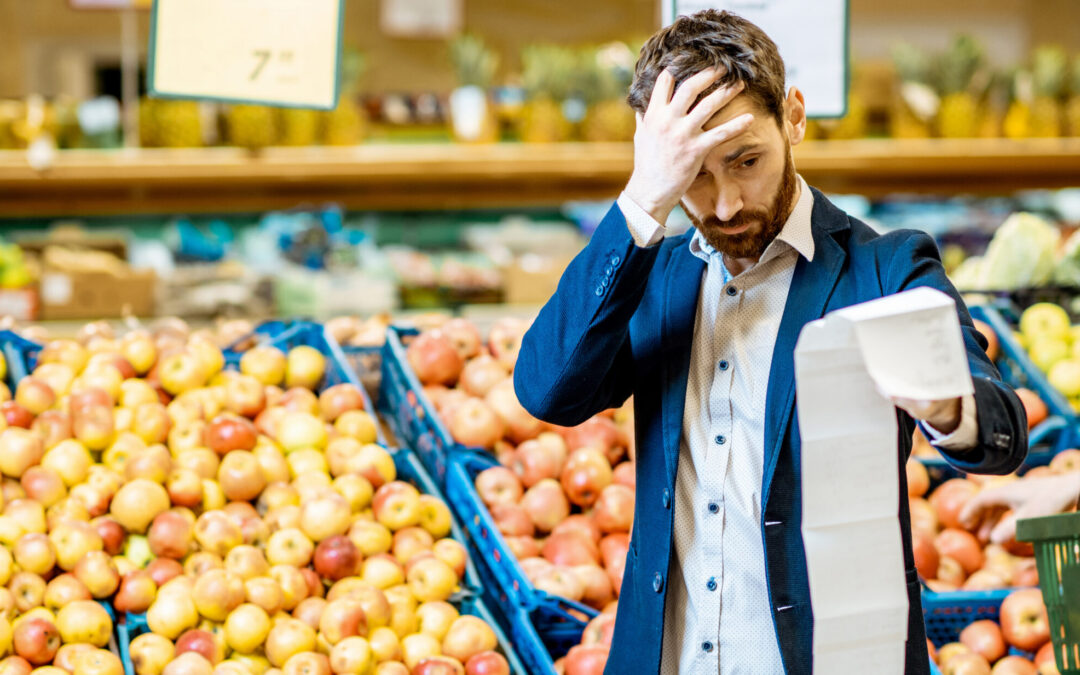
You walk into the grocery store with a short list. You walk out with fewer bags than you expected and somehow spent more than you planned. The quality is fine, the store is clean, the produce looks good, nothing is actually wrong. But the bill feels shocking every single time.
According to new data from Dunnhumby, 72% of shoppers rate their grocery store’s quality highly. Only 43% feel prices are low without relying on coupons or sales. That gap explains why grocery shopping feels like financial punishment even when inflation headlines have cooled.
Stores offer digital coupons, loyalty apps, weekly sales, and member-only pricing. To save money, you have to search, track, plan, and strategize. For people already managing tight budgets and unpredictable expenses, that’s exhausting. A store with consistently low prices requires no extra steps.
But most grocers don’t operate that way. They make you work for reasonable pricing, and that effort makes everything feel more expensive than it is.
Base Prices Are the Actual Problem
There are many ways a grocery store can help shoppers save: weekly sales, digital coupons, loyalty programs, store brands, bulk packs. But one lever matters more than all the others combined. Base price — the everyday cost without any promotion — accounts for 40% to 60% of how shoppers perceive a store’s affordability, according to Dunnhumby. That’s where most grocers are failing.
The gap hasn’t closed since inflation first hit in 2022.
Coupons and loyalty apps can lower your bill, but only in specific situations. They work best as a bonus, not a budgeting strategy. If discounts are the only way your cart feels manageable, everyday prices are the bigger issue.
Coupons make sense when you’re stocking up on shelf-stable items you already buy regularly. They don’t help much when you’re shopping for fresh staples like milk, eggs, meat, and produce. They definitely don’t help when the sale requires buying more than you realistically need, or when the savings get erased by impulse buys triggered by walking extra aisles.
The Stores Winning Are the Ones That Don’t Make You Play
The retailers succeeding on affordability are built around everyday low prices. Aldi, Market Basket, and WinCo don’t make shoppers hunt for deals. Walmart has invested heavily in narrowing the base price gap. Meanwhile, stores relying on promotions and loyalty programs are asking more of customers at the exact moment those customers have less to give. Dunnhumby’s report found that saving customers money now accounts for 41% of a retailer’s long-term success — a record high.
How shoppers save matters as much as whether they save at all. The psychological difference between “I got this for $3 with my loyalty card” and “This costs $3” is massive. The first requires you to remember you signed up, downloaded the app, linked your phone number, and checked before checkout. The second just costs $3. When you’re already exhausted from managing everything else in your life, that friction compounds.
Americans Spend Less on Food Than Anyone Else, But Can’t Afford Relief
The US spends less on food as a share of household income than any other country in the world, at just 6.4%. Yet Americans are more financially insecure about basic needs like food, housing, and healthcare than residents of nearly every other developed nation. When healthcare alone accounts for 20.3% of household spending — the largest share of any country — groceries become one of the few places left to find relief.
Wages have risen since 2017, but housing, childcare, and healthcare have risen faster. The result is a budget with little capacity to absorb additional costs. Prices rose sharply in 2022, and although inflation has slowed to 1.7% for groceries in 2026, those higher costs haven’t gone away. Shoppers remember what things used to cost. That frustration shows up in where they choose to shop.
For many households, grocery shopping remains one of the few areas where spending feels somewhat optional. Unlike fixed costs like rent or insurance, grocery bills can vary. You can switch stores, buy cheaper brands, skip certain items. This is why the desire to save money is most evident in grocery choices. But when saving requires constant effort — checking apps, clipping coupons, tracking sales cycles — it stops feeling like savings and starts feeling like a second job.
Prices Stabilized High, Not Low
Grocery inflation in 2026 is predicted at 1.7% — well below the 20-year average of 2.6%. That sounds like relief. But here’s what actually happened: prices stabilized at a much higher level than before the pandemic. They didn’t come back down. They just stopped climbing as fast. Families expected prices to return to normal once inflation headlines cooled. Instead, grocery trips still feel shocking. The math technically improved. The lived experience didn’t.
Some categories are getting cheaper. Egg prices are forecast to drop over 22% in 2026. Dairy is down slightly. But beef prices are projected to soar 9.4%. Coffee is up 19% from a year ago. Many grocery chains quietly eliminated their cheapest private-label options and replaced them with premium versions. While still slightly cheaper than name brands, these newer store brands are far more expensive than the generics families relied on just a few years ago.
The bottom line: as long as stores design pricing around promotions rather than everyday affordability, groceries will continue feeling expensive even when they’re technically not. Sustainable grocery budgets are possible. They just require stores that actually deliver low base prices instead of making customers hunt for them through apps, coupons, and sales cycles. Until that changes, the psychological exhaustion of grocery shopping will persist regardless of what inflation numbers say.