
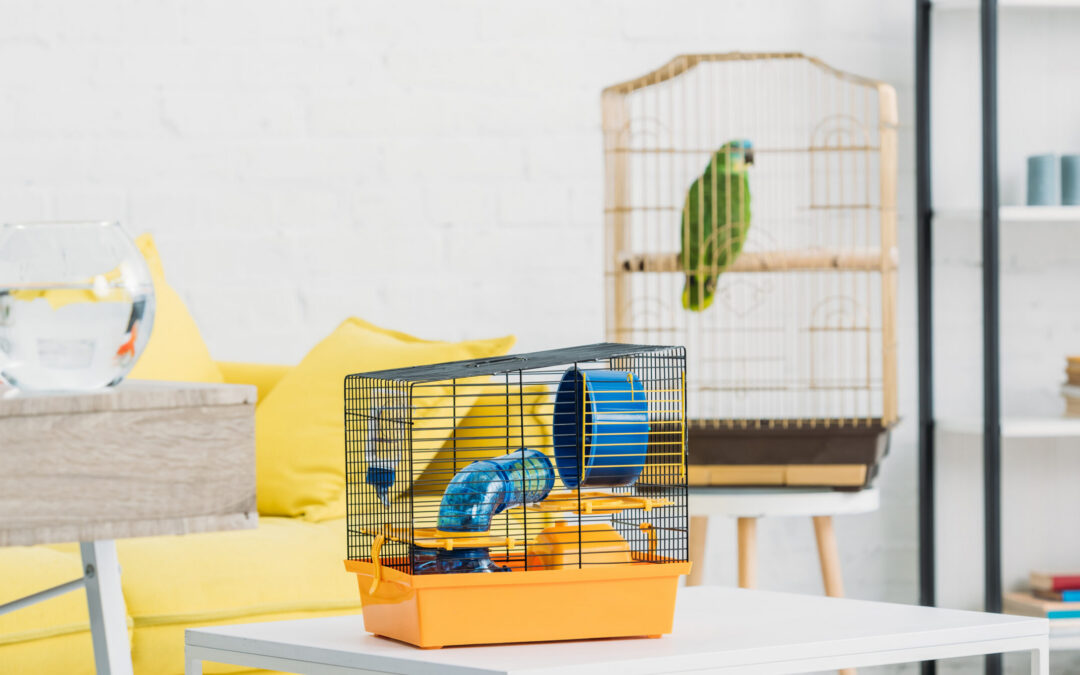
Remember that goldfish you won at the county fair? The hamster you begged for in middle school? The parakeet someone in your family kept in the living room?
Pet stores told us these were perfect beginner animals. Low maintenance, affordable, great for teaching responsibility. Turns out the entire pitch was a lie, and the scale of suffering it created is staggering.
Forty percent of American pets are small animals like fish, birds, hamsters, lizards, and snakes. After working with exotic pets as a veterinarian in New York City for nearly 20 years, Alix Wilson told Vox she’s become “a firm, strong believer that most of these animals shouldn’t be pets.” Other veterinarians, animal behaviorists, and ethicists are reaching the same uncomfortable conclusion.
PetSmart Calls Them “Habitats.” They’re Cages.
Pet stores have gotten very good at marketing. Those glass boxes? They call them “habitats.” Bioethicist Jessica Pierce calls it what it actually is: “tricky advertising. They are not habitats; that’s a lie. But it sounds nice.”
Consider how popular pet species actually live in the wild. Budgerigars travel great distances in large flocks across Australia. Blue tang fish swim miles per day cleaning algae from coral reefs. Golden hamsters travel up to eight miles at night gathering food in Syria. Leopard geckos hunt insects across Middle Eastern deserts.
Now think about where these same animals live as pets: a few square feet in a tank. PetSmart sells a half-gallon fish tank that’s about six inches wide. The natural range of miles compressed into something smaller than a shoebox.
Biologist Clifford Warwick would know better than most. As a teenager in 1970s London, he collected as many exotic species as possible until he noticed something disturbing about his hobby: “These animals would spend so much time trying to get out of their enclosures.” When he traveled to Central and South America at 14 to see animals in the wild, he was struck by how hard they were to find and how much space they had. He came home and gave away every pet he owned.
The 72 Percent Mortality Rate
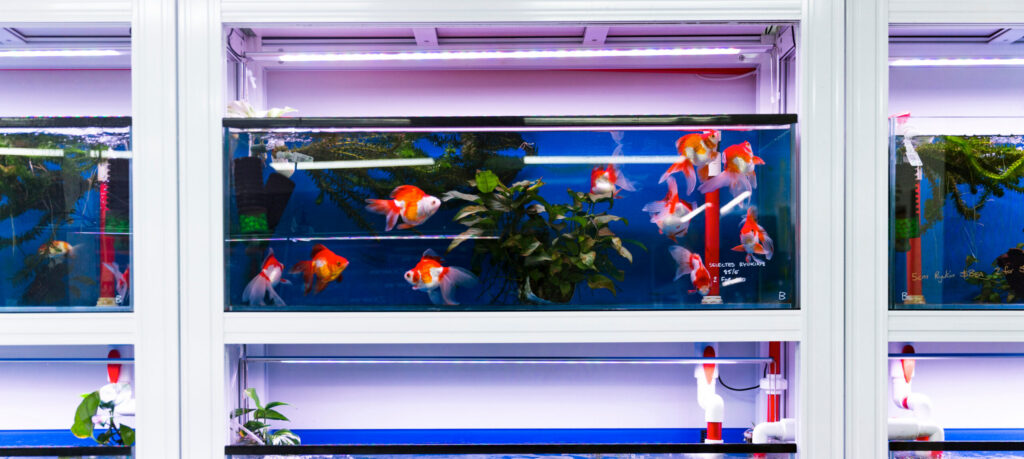
Each year, the United States imports more than 90 million animals to keep as pets. Around 30 percent are taken directly from the wild, including threatened and endangered species. Most never make it into homes alive.
In 2009, a PETA investigator worked undercover at a major exotic pet importer in Texas and documented conditions that sound impossible: tree frogs packed in 2-liter soda bottles, snakes deprived of food for months. US Fish and Wildlife seized 26,400 animals from the facility.
Analysis of the company’s records showed that typically 72 percent of its animals died during a six-week period. That equals hundreds of deaths per day from cannibalism, dehydration, starvation, crushing, and disease. During court proceedings, the company cited an expert confirming its mortality rate was similar to the rest of the industry’s. This wasn’t an outlier operation. This was standard.
Even animals bred in the United States aren’t safe. Facilities breeding fish, reptiles, and amphibians face zero USDA oversight. Those breeding birds and small mammals face some regulation, but enforcement is notoriously weak. PETA investigations have documented bearded dragons, rats, and other species confined by the thousands in operations that look like factory farms.
Your Hamster Traveled Eight Miles Per Night in the Wild
The “easy pet” marketing obscures what these animals actually need. Research on animal behavior has found something surprising: when given the choice between free food and working for their meal, animals will choose to work. It’s a concept called contra-freeloading, and except for cats, it holds true across species.
It makes sense from an evolutionary perspective. Animals evolved to forage and hunt for food, and there’s a chemical reward for that hard work. Giving them food in a bowl removes a fundamental behavior they’re designed to perform.
Surveys of rabbit and guinea pig owners found that large numbers don’t follow basic care recommendations. Many keep rabbits in small enclosures, don’t vaccinate them against fatal diseases, and house guinea pigs alone despite them being highly social animals. And those are species that have been largely domesticated for generations.
For more exotic species with complex needs, the internet is full of questionable advice and conflicting care tips. Warwick calls it “folklore husbandry.” Wilson said every sick animal coming into her veterinary practice had problems that humans created — inadequate lighting and heat for reptiles, improper diets across the board. “Those two examples, multiply that by a thousand.”
The False Choice Between Cages and the Wild
Some people defend small pet ownership by arguing they’re giving animals better lives than they’d have in the wild, where they face predators, starvation, and harsh weather.
But that’s not the actual choice being made. The real choice isn’t between keeping that animal in your home or releasing it into nature. The choice is whether that animal should have been bred into existence in the first place, only to spend its entire life in intensive, unnatural captivity for someone’s entertainment.
Wild hamsters travel eight miles at night foraging for food. Pet hamsters get an exercise wheel in a cage. Wild budgerigars fly miles with massive flocks. Pet parakeets sit alone in cages, unable to fly at all. These aren’t upgrades from wild life. They’re just different forms of suffering.
Part of why this suffering remains invisible is biology. Humans view animals further from us evolutionarily as less intelligent and less capable of suffering. Research published in 2024 found this viewpoint leads to unequal treatment of reptiles, amphibians, and invertebrates compared to mammals.
These animals can’t bark or meow to signal distress. Many owners can’t properly interpret their behavior, notice signs of stress, or assess their health. A fish circling the same six-inch tank looks calm. A hamster on a wheel looks happy. A caged bird sitting quietly looks content.
What Actually Happens After You Buy Them
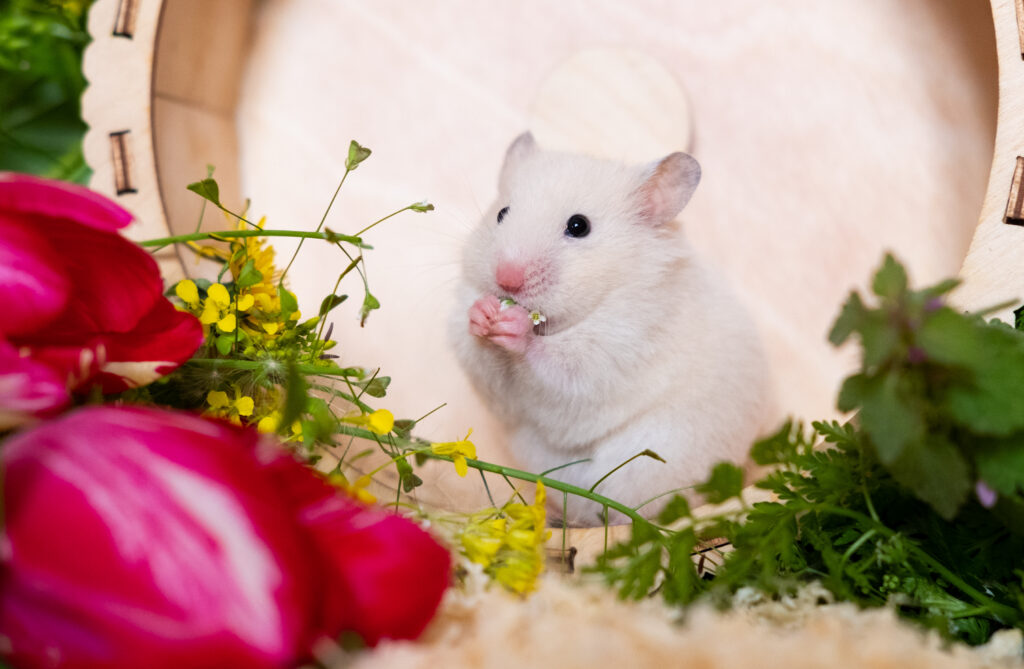
Spend time reading pet owner forums and you’ll see what really unfolds: cage escapes, self-mutilation, excessive noise, animals desperately trying to get out. Birds get loud. Many small pets are nocturnal, meaning they’re most active when you’re trying to sleep. Kids lose interest. Owners can’t care for long-lived species like parrots and turtles for decades.
Karen Windsor runs Foster Parrots and the New England Exotic Wildlife Sanctuary in Rhode Island. She watches the pattern repeat: people see videos of African Grey parrots having conversations and want one. Then they discover many parrots don’t talk, aren’t cuddly, and don’t want to be handled. They try dumping them at sanctuaries, but the inflow of unwanted parrots far exceeds what shelters can handle.
Some desperate owners abandon their animals in the wild, where they either die quickly or, worse, become invasive species that wreak havoc on local ecosystems.
Austria Mandates Classes. Sweden Bans Solitary Guinea Pigs.
It’s impossible to release tens of millions of small pets into the wild. The animals already in homes deserve better lives: larger enclosures, proper diets, enrichment, veterinary care, respect for their natural behaviors.
But the future could look different. Some jurisdictions have banned pet stores from selling dogs, cats, and rabbits. Advocacy groups are pushing to expand those bans to birds. A dozen European countries use “positive lists” — short lists of species allowed as pets, which automatically prohibit everything else.
Austria mandates courses for new pet owners. Sweden requires guinea pigs be kept in pairs because they’re highly social. Switzerland extends that requirement to parrots.
The most immediate action is economic: adopt from rescues instead of buying from stores and breeders. That shrinks the market for operations that confine thousands of animals in small cages for mass breeding.
The harder shift is cultural. Stop viewing animals as commodities to collect, display, and possess. Start recognizing them as beings with complex needs that humans simply cannot meet in captivity, no matter how much we want to believe otherwise.