
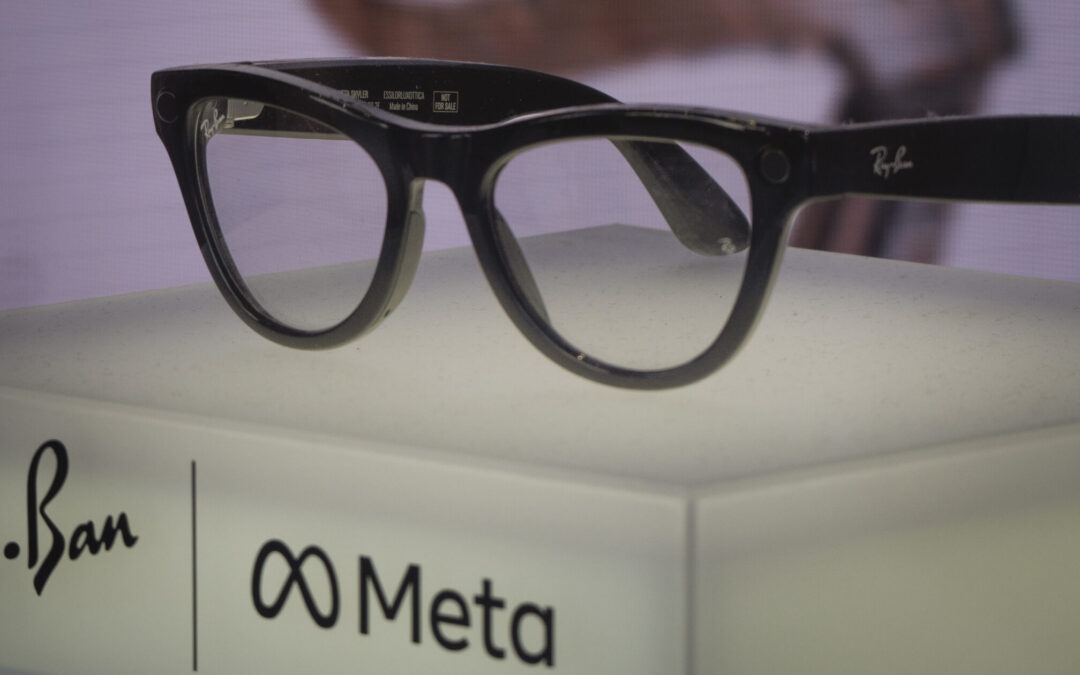
The woman on the London elevator had no idea she was being filmed. A tall man struck up conversation, asked for her phone number, and walked away. The next day, Dilara discovered footage of their entire interaction had been posted to TikTok where 1.3 million people watched a stranger dissect her body language and teach men how to approach women. He’d recorded everything through Meta Ray-Ban smart glasses — eyewear that looks exactly like regular sunglasses but contains a hidden camera. Between October 2023 and February 2025, two million pairs were sold, and they’re becoming the go-to tool for content creators who film strangers without consent.
Dilara is far from alone. The BBC identified seven women across the UK, US, and Australia who were secretly filmed this way and found their faces plastered across social media. Universities have issued safety warnings. A woman on the New York subway smashed someone’s glasses after realizing she was being filmed. What started as hands-free tech for capturing life’s moments has morphed into something darker — a surveillance tool disguised as everyday eyewear, perfect for creating content at other people’s expense.
The Tiny Light Nobody Notices
Meta’s defense hinges on a small LED light that supposedly activates when recording. The company claims it’s visible up to 24 feet indoors and includes tamper-detection technology to prevent users from covering it. In practice? Nobody’s looking. A New York Times reporter tested the glasses by taking 200 photos and videos on trains, hiking trails, and parks. Not one person noticed the LED or confronted him — because who stares at a stranger’s glasses long enough to spot a pinprick of light?
The bigger problem is that hobbyists discovered how to bypass Meta’s protections entirely. 404 Media investigated a $60 modification service that completely disables the LED while keeping the camera fully functional. The glasses look identical, work perfectly, and give zero indication they’re recording. Meta designed the system to stop working if someone simply covered the LED with tape, but this modification circumvents that safeguard. You could be standing next to someone filming you right now and have absolutely no way to know.
Where the Law Can’t Keep Up
Here’s the uncomfortable reality: in most places, filming strangers in public is perfectly legal. Privacy lawyer Jamie Hurworth told the BBC that UK law doesn’t specifically prohibit recording people without consent in public spaces. The line gets drawn at how the footage is used — if it’s posted online for commercial gain, causes distress, or includes identifiable personal information like phone numbers or workplaces, it potentially crosses into harassment territory. But proving harm after the fact doesn’t stop the videos from being filmed and uploaded in the first place.
The University of San Francisco issued warnings in October 2025 about a man using Meta glasses to film women on campus and post the interactions to a “pickuplines.pov” account across multiple platforms. Canadian women reported similar experiences. TikTok and Instagram are flooded with hundreds of these secretly filmed “pickup advice” videos, many generating income for the creators through coaching services and sponsorships. The women featured never consented, never got paid, and often didn’t know they’d been filmed until friends sent them the videos.
When Content Culture Meets Surveillance Tech
What makes Meta Ray-Bans particularly insidious is how they’ve democratized covert filming. Spy cameras have existed for decades — you can buy hidden cameras disguised as pens, clocks, or smoke detectors. But those require deliberate effort to purchase and deploy. Smart glasses normalize surveillance by packaging it as lifestyle tech. They’re marketed for capturing birthday parties and sunsets, sold at legitimate retailers, and look identical to regular Ray-Bans. There’s no social stigma, no special setup required.
The content creation economy incentivizes filming strangers. Viral videos generate views, views generate money, and authenticity sells better than staged content. A 2023 survey found that 48% of Americans believe filming and sharing strangers on social media without consent should be illegal. Yet platforms reward exactly this behavior with engagement and algorithm boosts. Harvard students even connected Meta glasses to facial recognition technology, enabling real-time identification of strangers complete with names and home addresses pulled from public databases.
The Social Contract We Never Agreed To

Rebecca Hitchen of the End Violence Against Women Coalition told the BBC that manufacturers are “prioritising profit over women’s safety and wellbeing.” Meta’s official guidelines recommend announcing when you’re filming and turning glasses off in private spaces — advice that’s entirely voluntary and unenforceable. The company’s terms of service prohibit harassment and privacy violations, but that’s cold comfort when videos rack up millions of views before anyone reports them.
The question isn’t whether this technology will be misused — it already is, repeatedly and predictably. The question is whether we’re comfortable living in a world where any stranger might be recording us for content, where every interaction could become someone else’s monetized entertainment, and where our only protection is a LED light most people will never notice. Dilara told the BBC she “just wanted to cry” after discovering her video. Kim, filmed on a beach, said nobody has the right to “film other people and exploit them and sexualise them, make money out of them without their permission.” Both describe feeling violated, but current law offers limited recourse after the damage is done.