
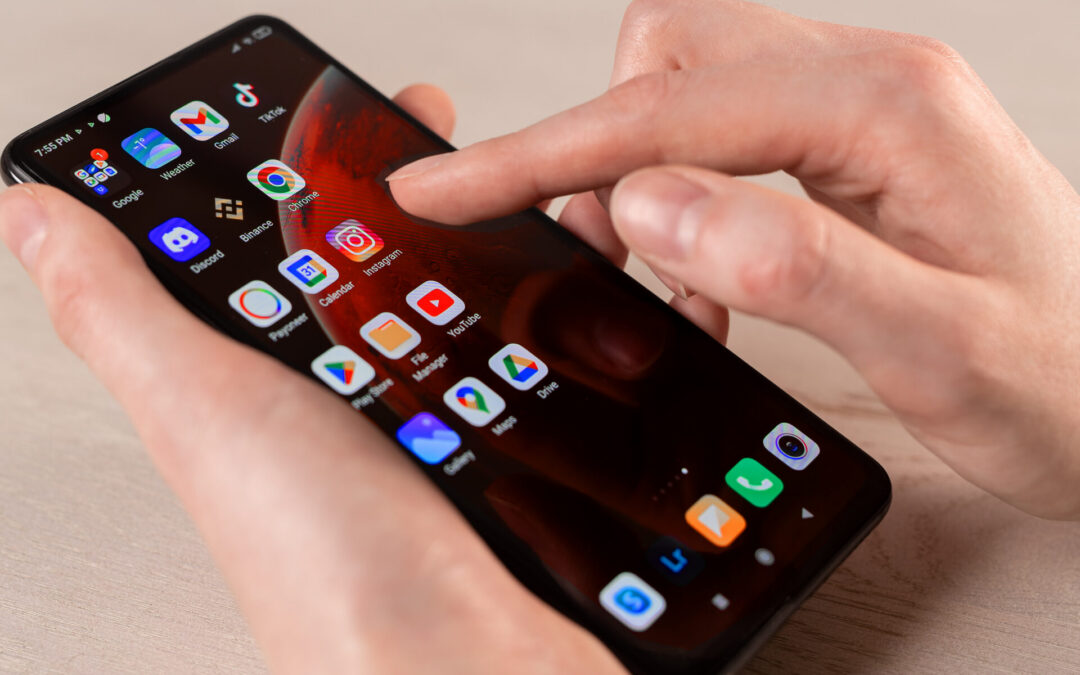
A new study published in JAMA Network Open tracked 295 young adults who took a week-long break from Facebook, Instagram, Snapchat, TikTok, and X. The mental health improvements were significant: anxiety dropped 16%, depression symptoms decreased 25%, and insomnia improved 15%.
However, participants spent more time on their phones overall during the detox. Screen time crept up by roughly 15 seconds per day, and they spent an extra 43 minutes daily at home compared to baseline. Simply deleting social media apps didn’t translate into hiking more or calling friends. It just shifted digital habits elsewhere.
The Problem Isn’t Your Phone, It’s What You’re Doing On It
Researchers at Beth Israel Deaconess Medical Center used passive monitoring to track exact usage patterns rather than relying on self-reports. What they found challenges the assumption that a digital detox naturally leads to more offline activities. Without deliberate plans to fill the time, people simply shifted to other digital offerings.
Yet mental health improved anyway. The research team speculates that the benefits came from reducing “problematic engagement” like negative social comparison and addictive scrolling patterns, rather than from cutting overall screen time. Dr. Elombe Conrad, a co-author on the study, told NPR that participants cut their social media use from about 2 hours daily to 30 minutes during the detox week.
That reduction alone was enough to trigger measurable mental health improvements, even though participants were still using their phones for other things.
Who Benefits Most

Young adults who reported moderate to severe depression at the start saw the largest improvements, suggesting social media breaks may be most valuable for people already struggling with mental health issues. The study focused on 18-24 year olds, but the patterns likely extend to older adults who report similar feelings of anxiety or comparison while scrolling.
Interestingly, loneliness didn’t change during the detox period. Social media does provide genuine connection and community for many people, which explains why cutting it out completely doesn’t automatically make you feel more socially fulfilled. The platforms themselves aren’t purely toxic. It’s specific types of engagement, particularly passive scrolling and comparison, that seem to cause problems.
A separate meta-analysis examining multiple studies found consistent mental health benefits across various detox approaches, from complete abstinence for a week to reducing usage by just 10 minutes over three weeks. People who started with high depression levels benefited most from limiting their time.
The Real Challenge Is What Comes Next
According to a 2024 survey, 35% of American adults have taken breaks from social media because it was affecting their mental health. That’s more than one in three people recognizing they needed a breather. Among young adults aged 18-25, 25% report experiencing mental health challenges, with studies linking social media use to poor sleep quality and difficulty concentrating.
The question the research leaves unanswered is whether these benefits last once people return to regular social media routines. Short-term breaks might offer temporary relief without addressing the underlying patterns that make social media use problematic. The study didn’t follow participants beyond the one-week mark.
For people considering their own detox, the findings show that deleting apps won’t automatically solve the puzzle of how to spend time more meaningfully. You need actual plans for what you’ll do instead, whether that’s reading, exercising, or genuinely connecting with people face-to-face.

What Actually Works
Rather than complete abstinence, some people find success with strategic reduction. One study comparing different detox approaches found that cleansing Instagram and TikTok feeds of appearance-focused content was particularly effective for improving body image, while setting a 30-minute daily time cap improved overall wellbeing.
The practical takeaway: you don’t need to quit social media entirely to see benefits. Limiting usage to 30 minutes daily, unfollowing accounts that trigger negative emotions, or taking periodic week-long breaks all show measurable improvements in mental health metrics.
The researchers emphasize that the benefits appeared linked to reducing opportunities for negative social comparison and addictive use patterns, not from abandoning technology altogether. Which means you can keep your phone, keep some apps, and still feel significantly better by being more intentional about how you’re using them.