
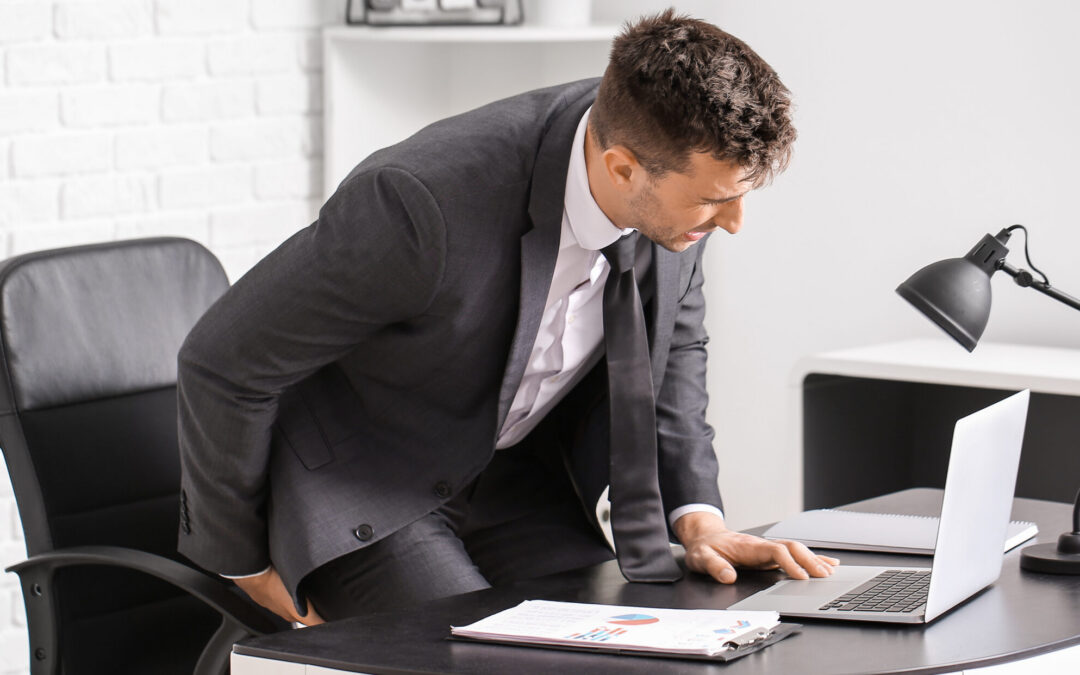
“Brb, just found out about office chair butt and I’m not willing to fall victim,” one TikTok creator announced before doing lunges around her cubicle. Another hovered above their chair while typing, refusing to let their glutes make contact. By mid-2025, office workers were discovering that sitting eight hours daily might be reversing their gym work. One clip racked up nearly 200,000 likes with the caption: “Doing glutes at the gym just to find out about office chair butt. Soooo, sitting eight hours a day is reversing it?”
Welcome to the latest workplace anxiety: your desk chair flattening your posterior into a pancake.
What Your Chair Actually Does
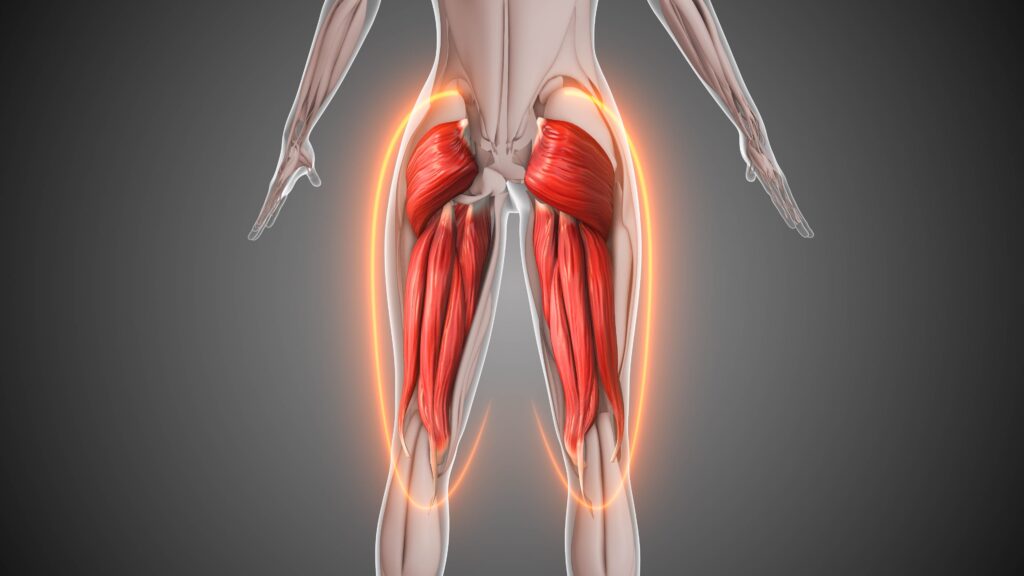
The medical term is gluteal muscle atrophy. The TikTok term is office chair butt. Physical therapist Lara Heimann explains: “Office chair butt is a playful term describing the weakening and flattening of the gluteal muscles — primarily the gluteus maximus, medius, and minimus — due to prolonged sitting.” When muscles don’t get used, they atrophy. Fat tissue settles in. Because fat is softer and more pliable than muscle, it doesn’t hold its shape as well.
But vanity isn’t the real problem. Strong gluteal muscles stabilize your pelvis, support your lower back, and power movement patterns like walking and running. When they weaken, your body compensates by overloading other muscle groups. That lower back pain you can’t shake? Might be your glutes failing to do their job. Knee problems that seem unrelated? Your glutes connect to those too.
Occupational therapist Michael Milicia puts it bluntly: “A lack of conditioning in your gluteus maximus and surrounding tissue leads to weakness, making it build up fat tissue and appear flatter or saggy.” Weak glutes create a cascade of compensation patterns throughout your entire body.
The Sitting Epidemic
Medical professionals have warned about prolonged sitting for years. What changed is TikTok gave it a name that actually stuck. “Office chair butt” sounds immediate and personal in a way “gluteal atrophy” never could.
Sitting puts constant pressure on your gluteal muscles while keeping them in a lengthened, inactive position. Your hip flexors tighten. Your glutes get inhibited — they literally forget how to fire properly, creating gluteal amnesia or dead butt syndrome. Research shows sitting continuously triggers muscle catabolism — the breaking down of muscle tissue. Studies recommend breaking up sitting every 30 minutes. That’s getting up twice an hour, minimum.
The Movement Fix
Office chair butt isn’t permanent. Physical therapists recommend standing and moving for 2-3 minutes every 30-45 minutes of sitting. Not a bathroom break. Dedicated movement to stimulate blood flow and prevent muscle inhibition.
Between breaks, specific exercises rebuild what sitting destroys. Glute bridges activate all three gluteal muscles. Lunges work the glutes through their full range of motion. Squats engage the entire posterior chain. The key is consistency. Doing 50 squats once a week won’t counteract 40 hours of sitting. But 10-15 squats every time you stand up? That adds up fast.
When Your Job Is the Problem
Some TikTok videos show workers using the escalator as a StairMaster or running conference room laps. The solutions don’t have to be dramatic. Standing desks help, but only if you actually stand. Walking meetings accomplish two things at once. Taking stairs counts.
The real issue is that prolonged sitting creates multiple health risks beyond flat glutes: cardiovascular disease, type 2 diabetes, certain cancers, depression, anxiety. Office chair butt is just the visible manifestation of a body breaking down from inactivity.
What TikTok Got Right
The viral panic accomplishes something years of public health warnings couldn’t: it makes the abstract threat of sedentary life feel immediate and personal. Nobody worries about cardiovascular disease at 35. But a flatter butt? That gets attention now.
One physical therapist summarized it perfectly: “Office chair butt is real… but fixable in less than 5 minutes a day.” The problem isn’t complicated. The solution isn’t either. You just have to do it. Your glutes are use-it-or-lose-it muscles. Sitting for eight hours daily means losing them. Getting up means keeping them. The choice is that simple, even if the execution feels awkward when your coworkers are watching you squat in the break room.