
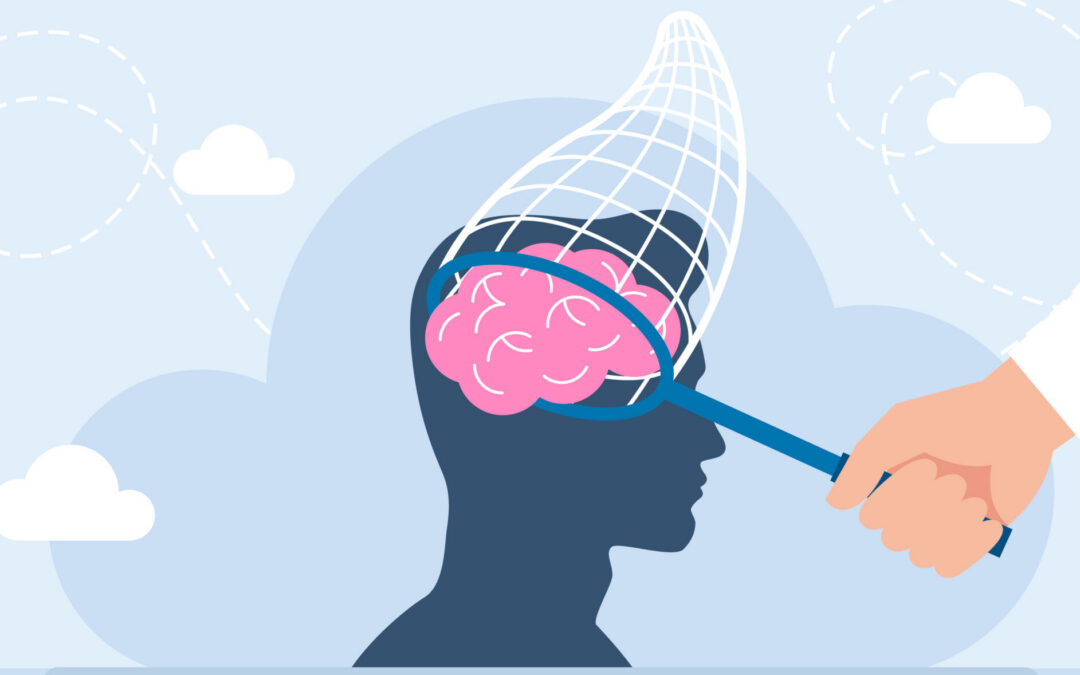
Here is an uncomfortable thing the research on political psychology has established fairly clearly: the problem with political discourse isn’t primarily the other side. It’s a set of cognitive mechanisms that every human brain runs, regardless of party, that make thinking clearly about politics genuinely difficult — and in some ways neurologically costly.
The science doesn’t pick a team. It describes a brain that evolved in environments where group belonging mattered more than factual accuracy, and which still behaves that way when the stakes feel tribal.
Truth Lost the Evolutionary Lottery
The first mechanism is what Yale psychologist Dan Kahan and colleagues identified as identity-protective cognition. The idea is that our brains didn’t evolve to process information with perfect fidelity — they evolved to protect a version of us that maintains standing within our groups. In ancestral environments, being ostracized from the group was a genuine survival threat. Being wrong about a factual claim, in most cases, was not.
The consequence is a brain that, when new information threatens group identity, tends to bend the facts rather than update the belief. This happens across the political spectrum and across education levels — and notably, higher analytical ability doesn’t reliably reduce the effect. Smarter people are often just better at constructing post-hoc justifications for positions they were never going to abandon.
Democrats and Republicans Agreed When Paid to Be Accurate
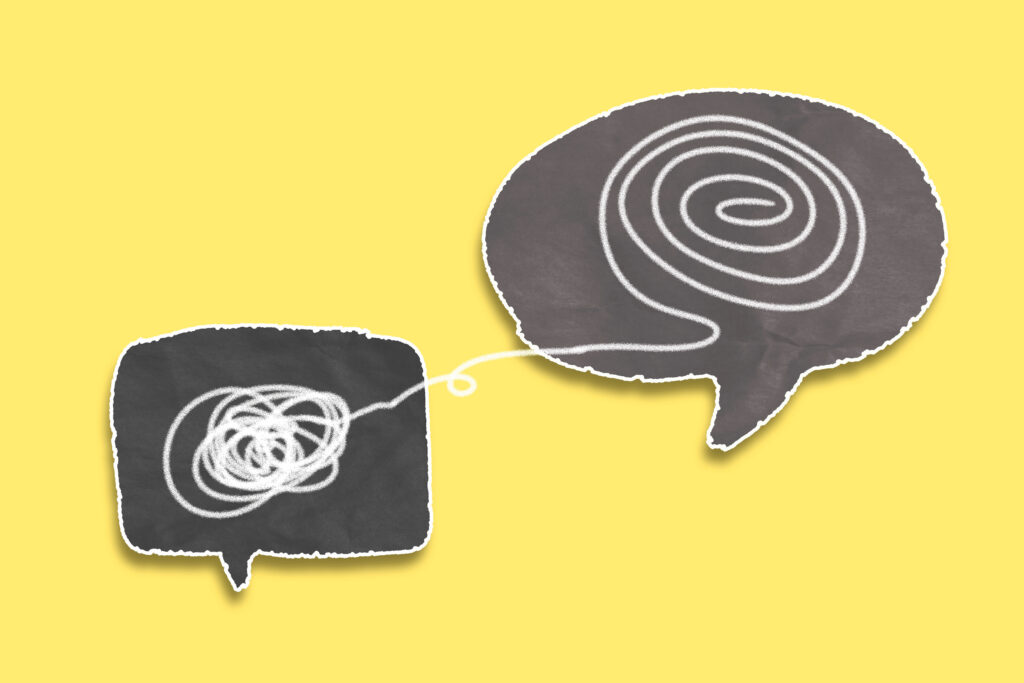
The cheerleading research from Yale political scientist John Bullock and colleagues is where the evidence gets particularly striking. In a series of experiments, participants gave answers on political facts that aligned with their party’s preferred narrative — even when they weren’t confident those answers were correct.
Then the researchers changed the incentive structure. When participants were paid to be as accurate as possible, the partisan gap in factual beliefs narrowed substantially. When they were additionally paid for admitting uncertainty, it narrowed even further. Much of what looks like genuine factual disagreement between political opponents turns out, under these conditions, to be something closer to loyalty signaling — performing certainty about claims because your team expects it, not because you actually believe it.
The implication is significant. Political disagreement in America isn’t only, or even primarily, a disagreement about facts. It’s a disagreement about which team you’re on — and factual claims become a jersey.
The Conclusion Comes First, the Logic Follows
Once identity is locked in and the social pressure to perform loyalty is active, the third mechanism — motivated reasoning — handles the rest. Motivated reasoning describes the process of starting with a preferred conclusion and working backward to assemble supporting arguments. Research by Peterson and Iyengar shows how this plays out in practice: people selectively seek out information that confirms prior beliefs, interpret ambiguous evidence in whatever direction favors their side, and avoid sources that might complicate the picture.
Over time, the effect compounds. Opposing arguments stop seeming merely wrong — they start seeming implausible, almost incomprehensible. The reasoning faculty, which we experience as a tool for finding truth, is being quietly redirected into a tool for winning arguments we’ve already decided we need to win.
Your Feed Is Engineered for Exactly This

None of these mechanisms are new, but the environment they operate in is. Partisan media and algorithmically curated social feeds are specifically optimized to activate identity threat and emotional reaction — both because outrage drives engagement and because audiences self-select into content that confirms rather than challenges. The architecture of modern information consumption is almost perfectly designed to exploit the cognitive vulnerabilities the research describes.
The researchers are clear that awareness of these mechanisms doesn’t make anyone immune to them. But a few practical interventions appear to help: reducing exposure to high-identity partisan environments, reading more deeply on specific topics rather than skimming headlines, and — perhaps most counterintuitively — practicing genuine curiosity about how someone could arrive at a conclusion you disagree with, rather than treating that question as beside the point.
The goal isn’t to stop having political views. It’s to hold them in a way that’s actually yours — assembled from evidence rather than inherited from a tribe.