
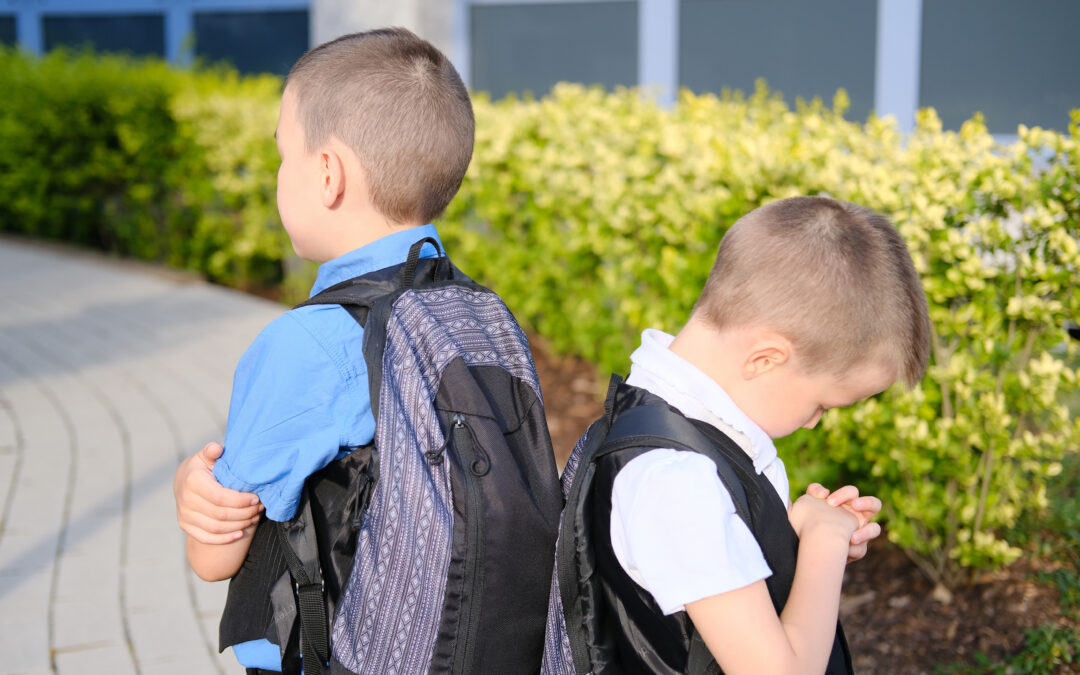
Every adult who grew up being told to “say sorry, accept the apology, and move on” was being taught something. The question is what.
According to Suzanne Freedman, a forgiveness researcher and professor at the University of Northern Iowa, the answer is: that forgiveness is a performance. That reconciliation is a behavior you produce on command rather than an internal process that takes time. And that the feelings of the person who was hurt are less important than restoring social harmony quickly. Children absorb that curriculum without anyone intending to teach it, and they carry it into their adult relationships.
A new piece published in UC Berkeley’s Greater Good Magazine argues that the coerced apology — the staple of classroom conflict resolution and playground disputes — is one of the most reliably counterproductive tools in the adult playbook.
What “Say Sorry” Actually Teaches
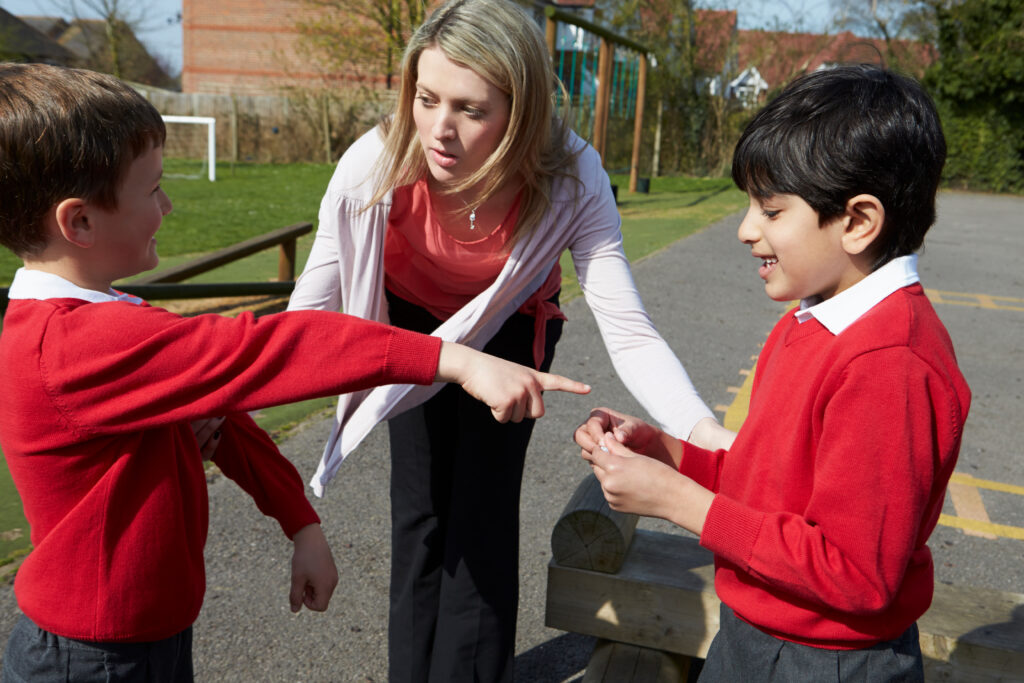
The problem with demanded apologies isn’t that they’re meaningless to the adult asking for them. It’s that they’re meaningful in the wrong direction to the child saying them. When a child is told to apologize before they’ve processed what they did or why it was wrong, they learn that an apology is a social exit — the verbal pass that ends the discomfort for everyone in the room. They don’t learn accountability, which requires understanding impact. They don’t learn empathy, which requires imagining another person’s experience. They learn compliance.
For the child on the receiving end, it’s often worse. Being told to accept an apology and “move on” before you’re ready communicates that your hurt has an expiration date determined by someone else. Research on forgiveness consistently finds that genuine forgiveness is a deliberate internal process — one that cannot be rushed or externally imposed without undermining the thing itself. A child told to forgive on a five-minute timeline doesn’t forgive. They perform forgiveness while continuing to feel the hurt, now with the added message that the hurt was unreasonable.
The Difference Between Forgiveness and Reconciliation
One of the most useful distinctions in the forgiveness research literature is between forgiveness and reconciliation — terms that get used interchangeably in everyday life but describe fundamentally different things.
Reconciliation is behavioral: it’s the restoration of a relationship, the return to normal interaction. Forgiveness is internal: it’s the letting go of resentment toward someone who caused harm, regardless of what happens to the relationship afterward. You can forgive someone and still decide not to spend time with them. You can reconcile with someone — resume contact, act civilly — without having genuinely forgiven them. These often happen together, but they don’t require each other.
The “say sorry and move on” script collapses this distinction entirely, treating forgiveness and reconciliation as the same act and demanding both happen simultaneously. This creates adults who have never learned to distinguish between performing relationship repair and actually processing harm — a gap that shows up most clearly in adult relationships where the stakes are higher and the scripts run out.
What the Research Supports Instead

Freedman’s framework, grounded in decades of research including Robert Enright’s process model of forgiveness developed at the University of Wisconsin, points toward a slower, more honest approach.
For the child who caused harm: before any apology, help them identify specifically what they did, why it was harmful, and how the other person likely felt. An apology that follows genuine understanding is qualitatively different from one extracted under social pressure. It’s also more likely to be received as real — because it is.
For the child who was hurt: before any expectation of forgiveness, acknowledge that their feelings are valid and don’t have an expiration date. Forgiveness, when it comes, should emerge from a place of genuine processing rather than social compliance. Research from Hope College found that when people are given space to process hurt before being guided toward forgiveness, the physiological and emotional markers of genuine repair are measurably different from those in forced reconciliation.
Why Adults Fall Back on the Script
The script persists because it works for the adult in the room. It ends conflict visibly, restores order, and produces something that looks like resolution. What it doesn’t do is give children the tools to navigate real conflict — the kind they’ll face in friendships and relationships where no one enforces the script. Genuine apology and authentic forgiveness are among the most durable skills a person can build. They just take longer than five minutes, which is exactly why they keep getting cut short.