

Somewhere in the past few years, a specific kind of social event started quietly multiplying: the kind where nobody is required to be charming, nobody needs to sustain a conversation, and the thing you’re doing together is more important than what you say to each other. Flower arranging nights. Speed jigsaw competitions. Silent book clubs. Caffeine tastings. Music bingo.
Eventbrite, which processes more event registrations than any other platform, named it one of the defining social trends of 2026: soft socializing. Flower arranging events saw a 282% increase in attendance. Puzzle competitions grew by 151% in the US. Music bingo attendance jumped 149%. Silent events — silent discos, silent reading clubs — were up 14%.
The numbers look like a quirky trend. The psychology behind them is considerably more interesting.
The Problem With Traditional Socializing
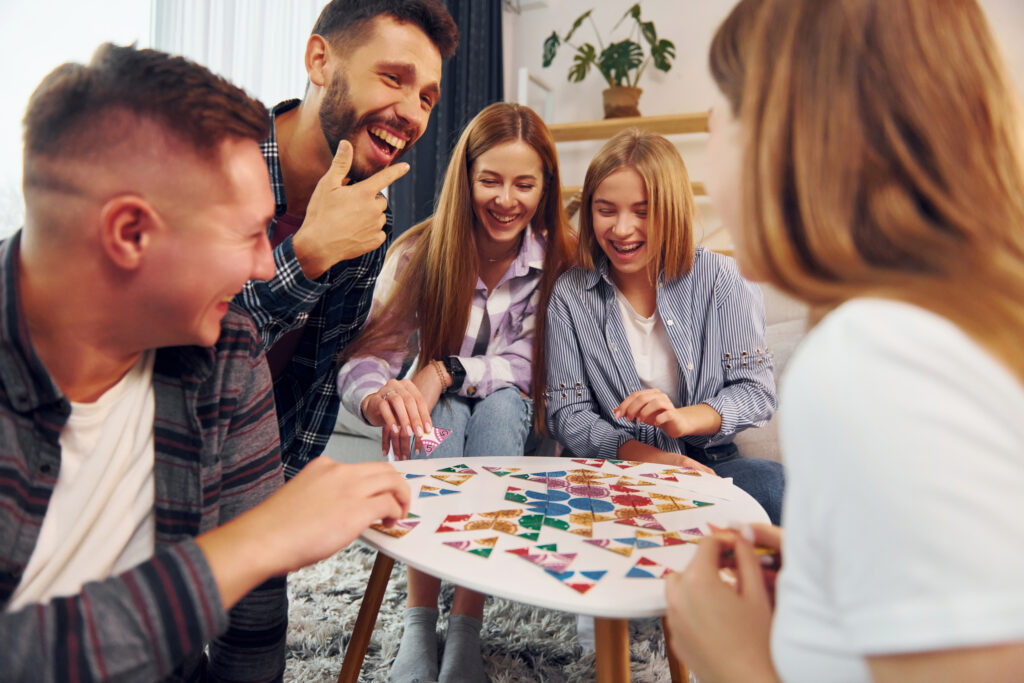
Conventional social gatherings place a specific demand on participants that rarely gets named: the requirement to perform. To be interesting, engaged, and appropriately responsive for the duration. To carry the conversation when it lags and to manage the social anxiety that comes with the possibility of failing to do so. For many people — not just introverts — this performance requirement is the thing that makes socializing feel like work rather than rest.
In an Eventbrite survey of 4,000-plus adults in the US and UK, 58% said socializing matters to them but they don’t want it to be the main focus of an event. Another 45% said they want control over when and how they interact. Forty-one percent want the option to observe without being required to make small talk.
Robert Alexander, a psychology professor at the New York Institute of Technology, explains why activity-based socializing works mechanically: “Shared activities frequently draw attention away from you and onto something external. Pauses in the conversation can come and go without feeling awkward, and you can feel relieved of the responsibility for sustaining the conversation moment-to-moment.”
The activity provides structure. The social element becomes optional rather than obligatory. And paradoxically, connection tends to develop faster.
Parallel Play, Revisited
The concept has a name in developmental psychology: parallel play — the phenomenon observed in young children who play side by side, absorbed in their own activity, comforted and regulated by the presence of others without requiring sustained interaction with them.
What soft socializing suggests is that adults never outgrow this need. We’ve simply been told, for most of our adult social lives, that it’s immature to want it.
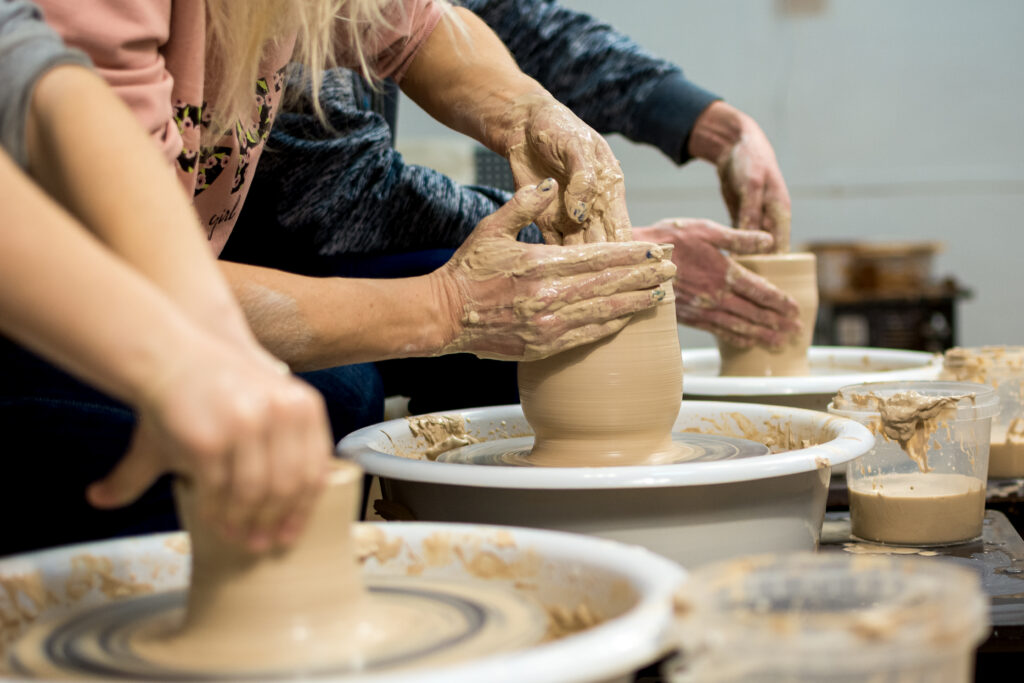
Research on shared creative activities adds a physiological dimension: participants who spend 45 minutes in group art-making show measurable decreases in cortisol regardless of their prior experience with art. The stress reduction isn’t a product of conversation or emotional disclosure — it’s a product of doing something with your hands alongside other people.
Why It’s Landing Now
A 2025 Pew Research survey found that 16% of Americans feel lonely all or most of the time. Loneliness rates among adults under 50 are higher than among older adults. The problem isn’t that people don’t want connection — it’s that the traditional formats for seeking it feel increasingly high-cost.
“We have to retrain ourselves to be social again,” a 31-year-old told Business Insider. The framing is revealing: the skill of casual human connection has atrophied in many people, and the performative demands of traditional socializing make re-entry feel difficult.
Soft socializing reduces the barrier. You show up to make a flower arrangement, not to be interesting. If a conversation happens, it happens naturally and then tapers off without obligation. The connection isn’t forced — it’s incidental to something you would have enjoyed doing anyway.
This isn’t a Gen Z trend or a post-pandemic quirk. It’s a return to how humans have always connected most sustainably — through shared work, shared craft, shared ritual. The puzzle night and the flower class are 21st-century versions of something far older.