
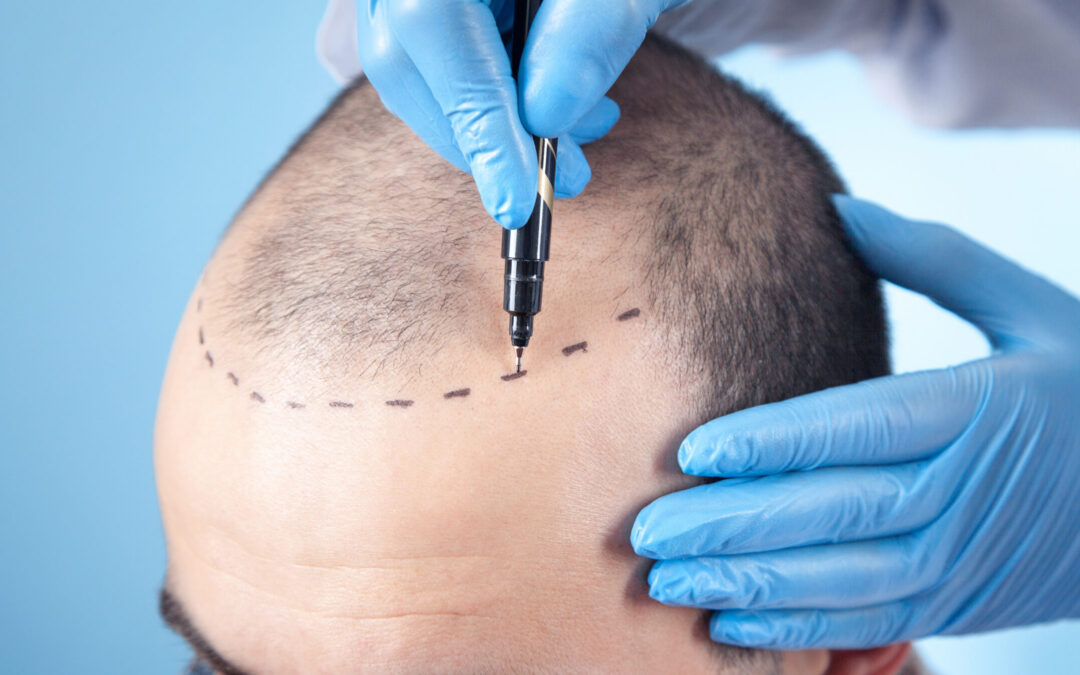
In 2011, Wayne Rooney posted something no professional athlete had publicly done before: he told his Twitter followers that he’d had a hair transplant. He was 25 years old. “I was going bald at 25! Why not?” The tweet went viral, sparked a tabloid cycle, and — in retrospect — marked a turning point in how openly people talk about one of the most common, and most quietly distressing, experiences in adult life.
Fifteen years later, the conversation has shifted in ways that were difficult to predict. What was once treated as shameful, then as a secret to be managed, then as a thing celebrities denied despite obvious evidence, is now discussed openly on podcasts, in magazine profiles, and at dinner tables. Joel McHale told listeners in 2025 that he would be completely bald without four procedures. John Cena spent an entire People Magazine feature on his journey. Elon Musk’s hairline transformation has been analyzed in detail across every media platform, whether he’s confirmed it or not.
The stigma hasn’t disappeared. But it has cracked open significantly — and that’s worth understanding.
Why It Used to Be Secret
Hair loss carries a specific emotional weight that other physical changes don’t always share. Male pattern baldness affects roughly half of all men by age 50, making it statistically ordinary. Yet culturally, it has historically landed as a symbol of lost youth and diminished vitality, compounded by decades of bad-faith marketing around products that didn’t work and early transplant techniques that produced results so obviously artificial — the “hair plugs” of the 1970s and 80s — that the procedure itself became a punchline.
The gap between how common hair loss is and how much shame surrounds it created a specific kind of silence. People dealt with it privately. Wigs, concealers, strategic styling, and eventually the earliest generation of transplants — all pursued quietly, then denied if anyone asked. The comedy industry made a genre out of spotting celebrity hairpieces. The implicit message was that wanting to do something about hair loss was vain, and that doing something about it while pretending you hadn’t was somehow more embarrassing than either alternative.
What Changed
Two things broke the dynamic simultaneously: technology and social norms.
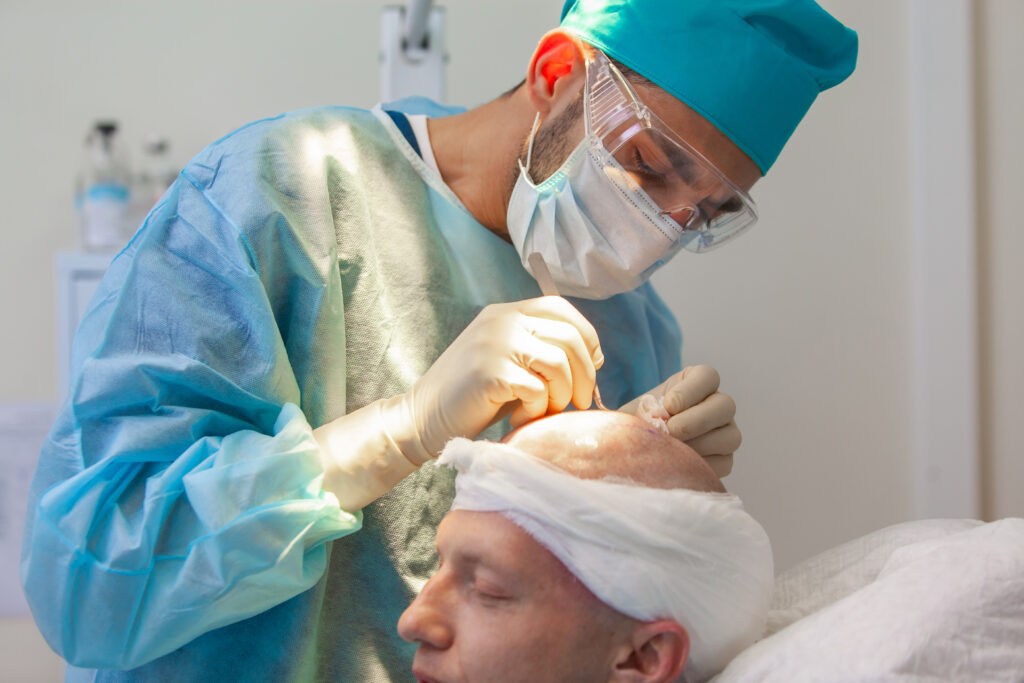
Modern follicular unit extraction (FUE) hair transplants involve removing individual hair follicles from a donor area — typically the back of the scalp — and transplanting them to areas of thinning or loss. The results, performed by skilled surgeons, are genuinely indistinguishable from natural hair growth because they are natural hair growth, just relocated. No linear scarring, minimal downtime, and outcomes that have made the “spotting a transplant” game largely obsolete.
When the results stop looking like a procedure, the shame attached to the procedure loses much of its purchase. Wayne Rooney’s public disclosure worked partly because he had something worth showing. The transparency and the technology reinforced each other.
The broader cultural shift toward male wellness — men openly discussing therapy, skincare, cosmetic procedures, and mental health — provided a framework that made hair restoration fit more naturally into a narrative about self-investment rather than vanity. Hair transplants are now mentioned in the same breath as cold plunges and red light therapy in certain wellness circles.
The Economics
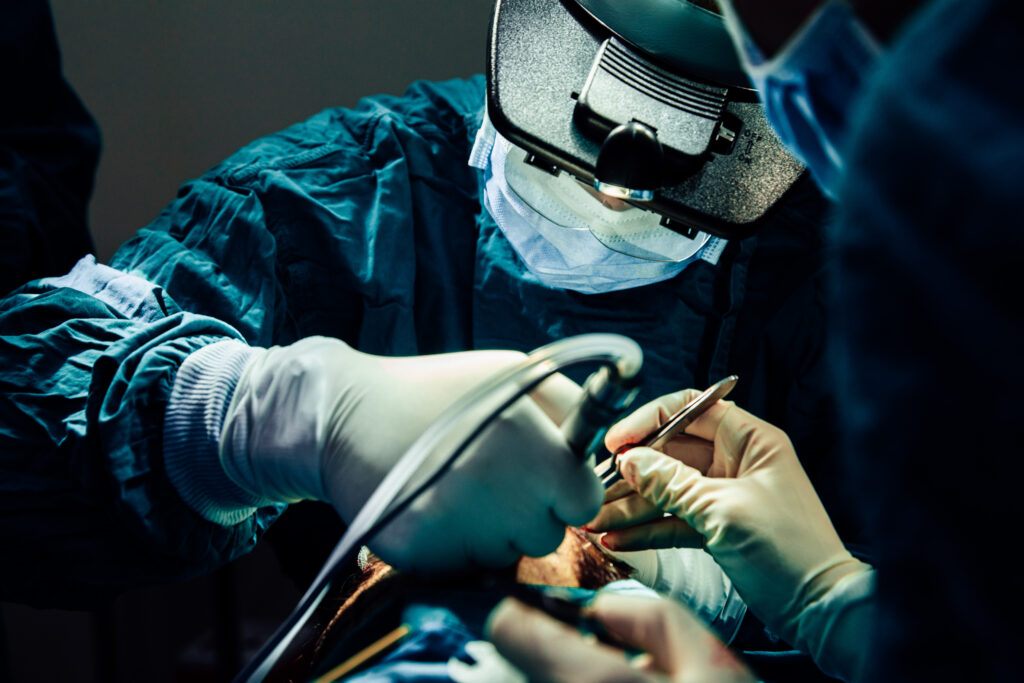
Cost remains a genuine obstacle. In the United States, a hair transplant procedure runs $8,000 to $15,000 on average, with some high-end surgeons charging considerably more. Insurance doesn’t cover it. The procedure is considered cosmetic, and there is no standard pricing structure.
The medical tourism industry has responded to this gap aggressively. Turkey has become the dominant global destination for hair restoration, offering procedures starting around $1,500-$2,000 with comparable technology and JCI-accredited facilities — roughly 70-80% less than US pricing for the same technique. Thousands of Americans travel abroad annually specifically for hair transplants, a pattern the industry tracks closely. The all-inclusive package — procedure, hotel, airport transfers — has become a recognizable category of international medical travel.
For those not traveling abroad, the US market has diversified. Financing options, multi-session planning that spreads cost over time, and a growing number of clinics outside major cities have made the procedure more accessible than it was a decade ago. It is still not cheap. But it is no longer exclusively the preserve of people who can write a $15,000 check without thinking about it.