
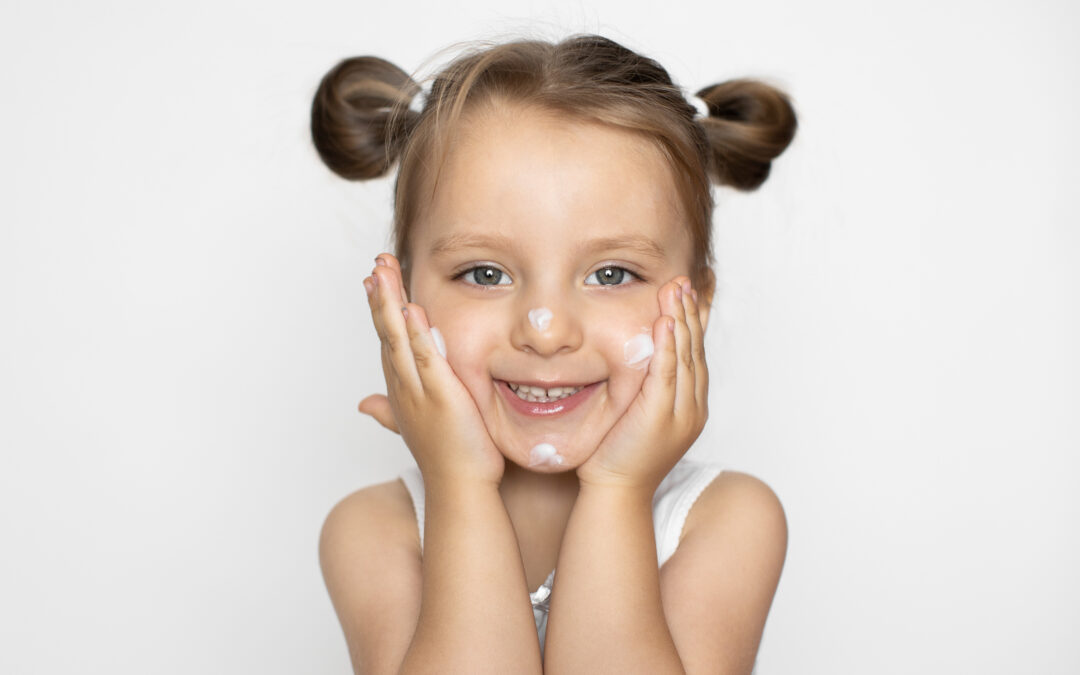
A Guardian investigation published last week combed through 7,600 TikTok videos and found something that has triggered responses from dermatologists, child psychologists, and regulators across three continents: roughly 400 of those videos featured skincare content from children under 13, with at least 90 involving children under the age of five. Some were toddlers too young to speak in full sentences, holding up serums and naming brands for the camera.
The term that has emerged to describe what’s happening is “cosmeticorexia” — a clinically documented pattern of excessive, age-inappropriate, and compulsive use of skincare products, intensified by social media platforms that reward routine-based content and appearance-focused self-presentation. In March, Italian regulators launched a formal investigation into LVMH-owned Sephora and Benefit, describing their marketing to children as “particularly insidious.” Australia, France, Spain, and the UK are all actively considering social media age restrictions. The United States has no equivalent regulatory framework in place.
Six Products, $168, Eleven Active Ingredients
The scale of what children are applying to their faces is not hypothetical. A 2025 study published in the journal Pediatrics analyzed 100 TikTok videos featuring children as young as seven following complex skincare regimens. The average routine involved six products costing $168 and contained eleven potentially irritating active ingredients. Some routines exceeded $500. In one video, a young teenager with braces applied nearly $350 worth of products to her face.
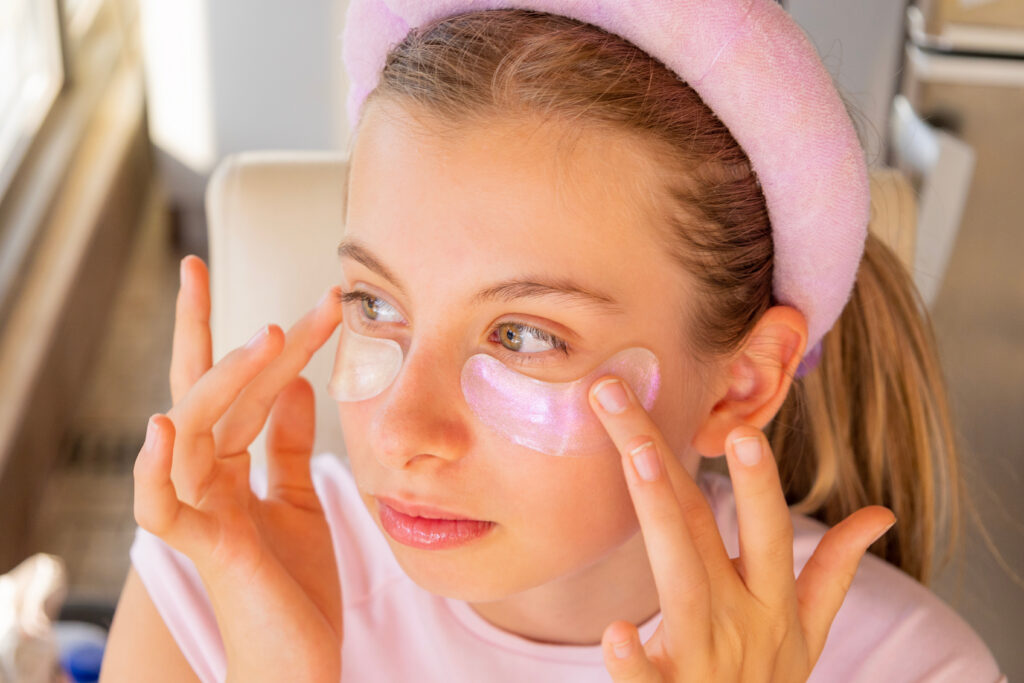
The ingredients most commonly appearing in these routines — retinol, glycolic acid, vitamin C serums, salicylic acid — are formulated for adult skin addressing adult problems. Children don’t have the skin conditions these products are designed to treat. What they do have is skin that is thinner, more permeable, and significantly more vulnerable to chemical irritation than adult skin. Dermatologists at UCLA and Yale have both issued guidance noting that retinols can cause retinoid dermatitis — a scaly, irritating rash — in young users, and that chemical exfoliants can break down the skin barrier entirely, causing the opposite of the luminous results the content promises.
Most children using these products have no skin problem that requires treatment. Dermatologists say the correct routine for a healthy child is a gentle cleanser, a simple moisturizer, and a mineral sunscreen. Everything else is, at best, unnecessary.
The Algorithm That Feeds Itself
The Pediatrics study included a methodological detail worth pausing on. Researchers created two TikTok accounts claiming to be 13-year-old users — the platform’s stated minimum age — and observed what happened when those accounts interacted with skincare content. After viewing just a few skincare videos, the For You page became saturated with similar content, making elaborate, expensive, ingredient-heavy routines appear normal and necessary.
This is how the trend propagates. A child views one Get Ready With Me video — the most popular format at 52% of content analyzed. The algorithm serves more. Within weeks, the implicit message is that a six-step routine is simply what people do; the absence of one becomes a deficit. The standard is established before the child has any framework to question it.
The Guardian found that in many toddler-featuring videos, children were specifically naming brands — suggesting brand involvement where none was formally declared. A CBS News analysis of 240 teen skincare posts found only 6% were properly labeled as promotional. Brands benefit from child-fronted content without the obligations formal endorsement deals would require.
A Clinical Term for What’s Happening Psychologically
The physical risks are well-documented and increasingly studied. The psychological dimension is newer territory but growing in clinical urgency. Cosmeticorexia — described in a 2026 paper in Dermatology and Therapy as a “culturally reinforced preoccupation with achieving flawless skin” — involves escalating time and money spent on routines, anxiety when routines can’t be performed, and reliance on skincare behaviors to regulate mood. It is not yet a formal clinical diagnosis, but researchers are calling for standardized assessment and epidemiological tracking.
The early establishment of appearance-monitoring habits is of particular concern. Mental health professionals have documented rising anxiety in tweens who feel pressured to maintain beauty standards their peers consider baseline. The content doesn’t create insecurity from nothing — it installs a framework in which scanning your face for problems to fix is simply part of being a person. For a five-year-old, that installation happens before any capacity to question it exists.
Who Is Responsible
The regulatory picture is fragmented. TikTok’s guidelines nominally prohibit branded content featuring minors without parental consent, but enforcement is minimal. Brands operating through gifting and ambassador programs can generate promotional content while maintaining technical distance from formal advertising rules.
Italy’s investigation is the furthest along jurisdictionally, but its reach is limited. The US market, where much of this content originates and is consumed, has no equivalent age-gating requirements, no mandatory disclosure standards for child influencers, and no regulatory body actively monitoring the practice — leaving in place a system where children as young as two are functioning as unpaid marketing infrastructure for the adult skincare industry.