
Here is a thing your brain genuinely dislikes: doing the same things it already knows how to do. Comfortable, familiar, automatic tasks — the commute you could drive blindfolded, the recipe you’ve made a hundred times, the workout routine you’ve had since 2018 — are fine for the body. For the brain, they’re roughly the cognitive equivalent of coasting in neutral.
A viral hand exercise called “pinky time” has recently brought this principle to wider attention, and while the trend itself is modest, the neuroscience underneath it is worth taking seriously. Because the core insight — that novelty and fine motor challenge actively protect the aging brain — is supported by a significant body of research, and most people aren’t doing nearly enough of it.
What the Pinky Exercise Actually Does
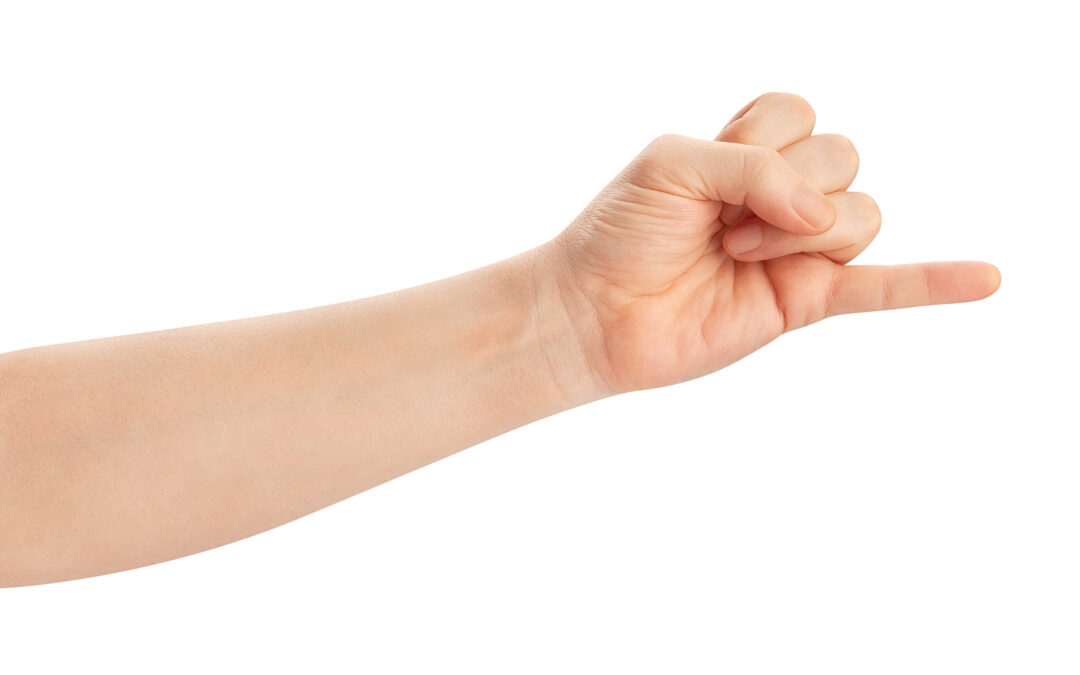
The movement is specific: wrap your pointer and middle fingers together, touch your thumb to your ring finger, then — while holding that position — wiggle your pinky up and down for seven to ten seconds. Try it right now. Most people need a moment to get it right, and that hesitation is entirely the point.
According to Dr. Kelly Gonderman, a licensed clinical psychologist, this is a fine motor task — a small, precise movement requiring complex coordination between muscles, joints, and neural pathways. When you attempt something your hands have never done before, it activates the motor cortex, the cerebellum, and several other brain regions simultaneously. “That cross-hemisphere coordination is genuinely good for the brain,” Gonderman told Bustle. The novelty is the mechanism. Your brain is being asked to figure something out rather than execute something it already knows.
What Gonderman explicitly doesn’t endorse is using the exercise as a brain health diagnostic. Struggling with an unfamiliar hand position can reflect any number of things — hand dominance, arthritis, simply not paying close attention. Difficulty with a novel motor task is not a sign of cognitive decline, and treating it like one is where the trend oversimplifies a genuinely nuanced area of research.
The Connection Between Hands and Brain Health
The link between fine motor function and cognitive health is well established. Multiple studies have found that deficits in fine motor dexterity — tasks requiring precise finger coordination and hand stability — are consistently associated with mild cognitive impairment and early-stage dementia. The relationship appears to run in both directions: declining fine motor skills can be an early indicator of cognitive change, and practicing fine motor challenges may help maintain the neural circuitry involved in coordination and executive function.
A 2025 population-based study from the German Center for Neurodegenerative Diseases, examining over 8,000 adults across a 30-95 age range, found that decreased fine motor function was reflected in brain structure changes — specifically, smaller volumes and thinner cortices in key motor regions. The brain and the hand are more tightly coupled than most people realize, which is part of why activities like playing an instrument or learning to knit aren’t just hobbies. They’re investments.
The Novelty Principle
The deeper concept at work here isn’t specific to fingers — it’s about what researchers call cognitive reserve: the brain’s accumulated capacity to maintain function despite the natural deterioration that comes with age. Reserve builds through a lifetime of novel learning experiences, not through the repetition of skills already mastered.
Practicing something you already know how to do maintains existing pathways. Learning something genuinely new builds new ones. Harvard Health notes that cognitive reserve strengthens through education, mentally engaging activities, and — specifically — encountering unfamiliar concepts and people. The Mayo Clinic echoes the same principle: moderately challenging activities like reading, learning an instrument, or acquiring a new skill build the buffer that determines how resilient the brain is when decline eventually begins.
The key word is “new.” Brain training programs that have participants repeat familiar tasks show limited benefit. Research published in PLOS One found that novel learning experiences provide a more robust stimulus for neuroplasticity than reinforcing skills already acquired. Your brain needs to say, on a regular basis: we have not done this before.
What a Complete Picture Actually Looks Like

Ten seconds of finger movement a day, as Gonderman is careful to note, won’t prevent Alzheimer’s on its own. The habits that consistently show up in the research on cognitive longevity are less glamorous than a viral hand exercise: regular physical exercise, keeping blood pressure controlled, staying socially engaged, and — across multiple studies — continuing to learn new things well into later life.
What the pinky trend gets right is the direction of travel. The brain benefits from being challenged by unfamiliar physical coordination, from novelty, from being put in situations where automatic pilot won’t work. Those can be elaborate — a new language, an instrument, a complex craft — or they can be a ten-second hand exercise at 7:45 every night with a group of friends who hold you to it.
A Low Bar With a Real Return
The most practical takeaway from this research is also the least exciting to say out loud: do new things, regularly, and keep doing new things. Not the same crossword puzzle. Not the same walking route. Not the same gym routine in the same order on the same days.
The brain’s capacity for neuroplasticity — its ability to rewire, adapt, and build new connections — doesn’t disappear with age. It does require input to stay active. Unfamiliar physical coordination is one of the more efficient ways to provide it, which is why a small, slightly awkward finger movement, practiced daily, is a better brain health habit than it has any right to be. It’s not the whole answer. But it’s a reasonable place to start.